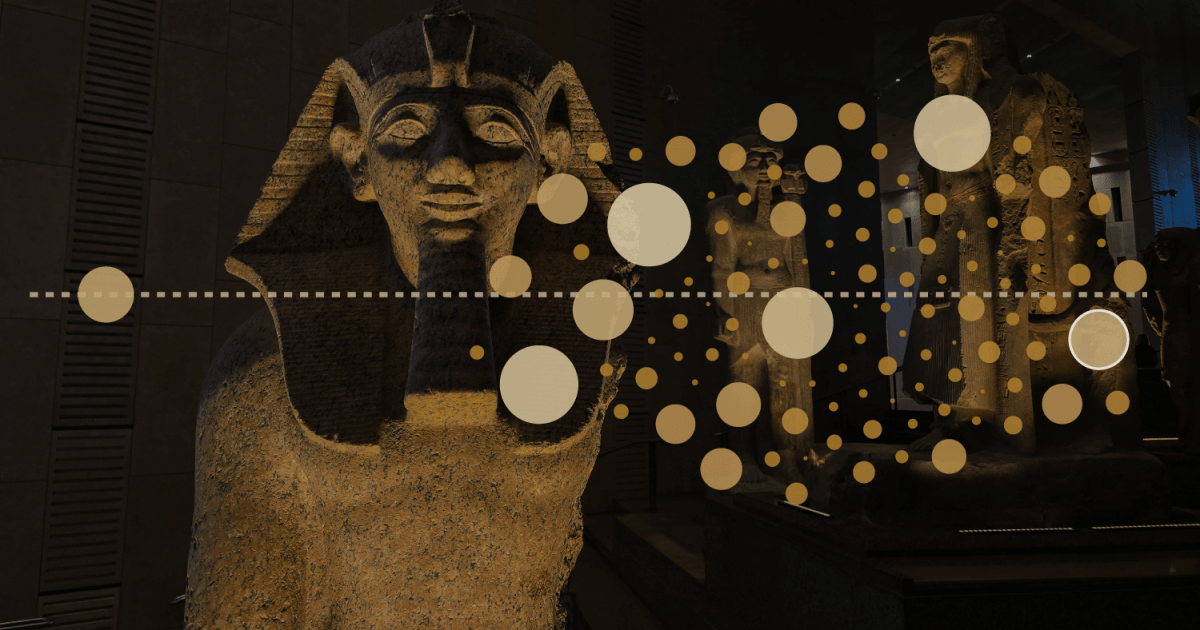
After two decades and an estimated cost of $1bn, the Grand Egyptian Museum (GEM) opened its doors to the public on Tuesday, just a few days after the official opening ceremony on Saturday. The museum, considered the largest archaeological facility for a single civilization worldwide, is situated near the pyramids of Giza and boasts over 100,000 ancient artifacts from 30 dynasties of ancient Egypt. Its architectural design, featuring sand-colored concrete and alabaster stone, pays homage to the country’s rich history. The museum’s construction began in 2005 and faced delays due to political unrest and the COVID-19 pandemic.
Referred to as the ‘fourth pyramid’ of the Giza Plateau, the Grand Egyptian Museum’s design echoes the geometry of the ancient pyramids with a chamfered triangle shape. The north and south walls align with the Pyramid of Khufu and the Pyramid of Menkaure, creating a harmonious connection to the historical site. The interior showcases a 3,200-year-old statue of King Ramses II, the complete collection of Tutankhamun’s treasures, and a 4,500-year-old boat belonging to Khufu, the pharaoh who oversaw the construction of the Great Pyramid of Giza.
Visitors can enjoy a six-storey grand staircase that displays around 60 ancient artifacts, including statues, sarcophagi, columns, and stelae inscribed with significant texts. The museum features 12 permanent exhibition halls organized by era and theme, with a prominent Tutankhamun Gallery showcasing over 5,000 artifacts from the boy king’s tomb. The museum’s vast 45,000sq metres of exhibition space ranks it as the world’s sixth-largest museum by display area, highlighting Egypt’s rich cultural heritage.
The Tutankhamun Gallery within the museum, covering 7,500sq metres, is a major attraction featuring the treasures unearthed from Tutankhamun’s tomb. With over 5,000 artifacts on display, visitors can explore the golden mask, throne, sarcophagus, chariots, and jewelry that belonged to the famous pharaoh. The museum complex also includes a conference center, a courtyard, a Nile Valley park, the Khufu Boat Museum, and a conservation center. Tourism plays a significant role in Egypt’s economy, with the sector contributing around 8 percent of the country’s GDP.
The Grand Egyptian Museum stands as a testament to Egypt’s rich history and cultural legacy, offering visitors a glimpse into the wonders of ancient civilization. Its grand opening marks a milestone in preserving and showcasing the country’s archaeological treasures for generations to come.





Deixe um comentário