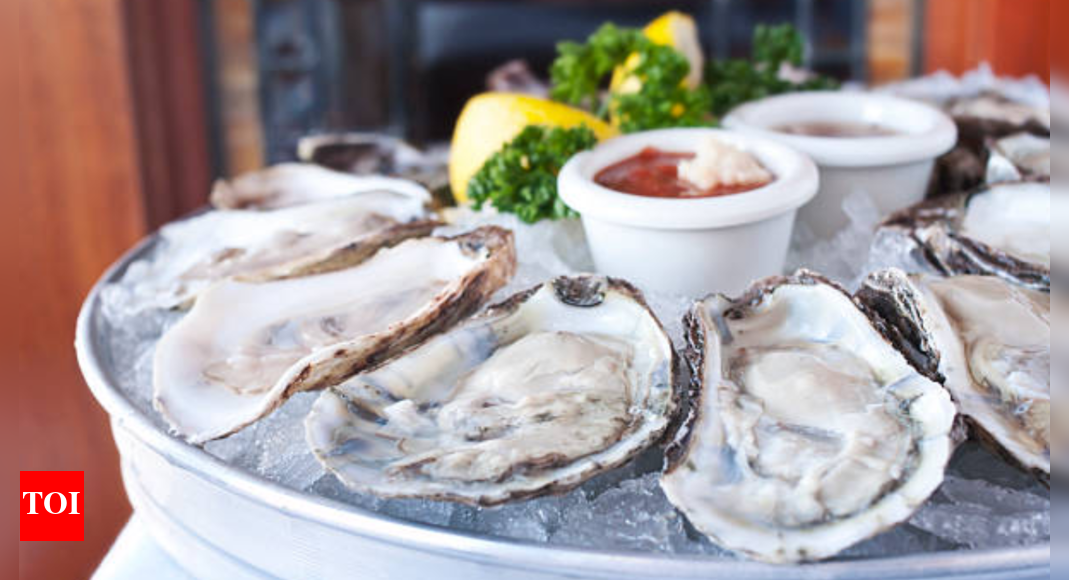
Two individuals tragically lost their lives after ingesting raw oysters infected with Vibrio vulnificus, a ‘flesh-eating’ bacterium commonly found in warm coastal waters. This dangerous bacteria can cause severe illnesses and even death if consumed. The oysters served as a vector for the Vibrio vulnificus due to the contamination of the shellfish in their natural habitat. The warm environments of coastal waters provide a suitable breeding ground for this harmful microorganism, making oysters particularly vulnerable to hosting the bacteria.
The transmission of Vibrio vulnificus through oysters raises concerns about the safety of not only shellfish but also other food sources. Various types of seafood, especially those consumed raw or undercooked, can harbor bacteria such as Vibrio vulnificus, posing potential health risks to consumers. In addition to oysters, shellfish like clams and mussels also have the potential to carry harmful bacteria, emphasizing the importance of proper food handling and cooking practices to reduce the risk of contamination and foodborne illnesses.
To safeguard against the dangers of consuming contaminated seafood, it is crucial to adhere to food safety measures. When consuming raw or undercooked oysters or other seafood, individuals should exercise caution and ensure the products are sourced from reputable suppliers and properly cooked to eliminate harmful bacteria. Avoiding raw shellfish, especially for individuals with weakened immune systems or underlying health conditions, is advisable to prevent potential infection and adverse health consequences.
In light of the recent incidents involving Vibrio vulnificus contamination in raw oysters, consumers are urged to stay informed about food safety practices and potential risks associated with various food sources. Maintaining awareness of the dangers posed by certain bacteria in seafood can help individuals make informed decisions about their dietary choices and reduce the likelihood of foodborne illnesses. By staying vigilant and informed about food safety guidelines, consumers can protect themselves and their families from the risks of bacterial contamination in foods.





Deixe um comentário