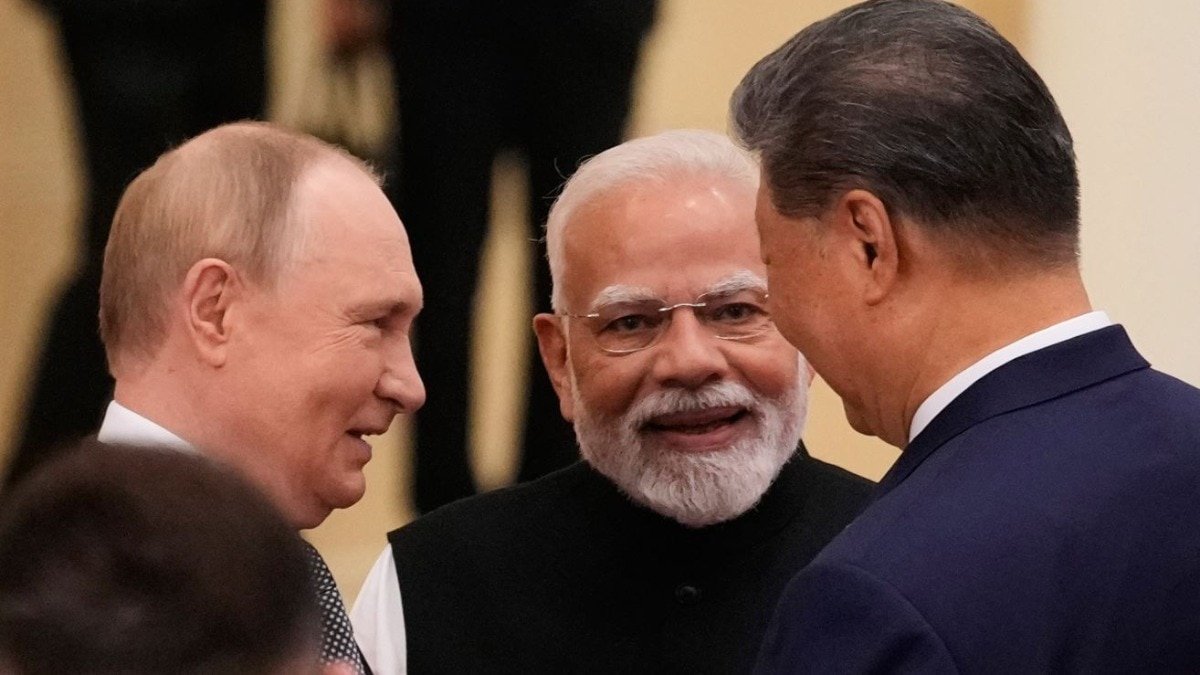
During the Shanghai Cooperation Organization (SCO) summit in Tianjin, the world witnessed a new world order as Indian Prime Minister Narendra Modi warmly interacted with Chinese and Russian Presidents. In challenging the dominance of the United States, India, Russia, and China have the potential to alter the global power dynamics. President Trump’s aggressive tariff policies towards countries like India have led to discontent among many nations, creating an opportunity for a united front against American dominance. Can PM Modi, President Putin, and President Xi collectively challenge Trump’s high-handedness?
The SCO summit in Tianjin, China, marked a significant shift in global dynamics as the leaders of India, Russia, and China displayed unity and camaraderie. The increasing discontent with President Trump’s unilateral actions has paved the way for potential collaboration among nations like India, Russia, and China. As the US continues to impose tariffs on various countries in a seemingly uncontrolled manner, the unity shown by leaders like Modi, Putin, and Xi presents a formidable challenge to American dominance. Will this newfound friendship lead to a recalibration of global power structures and relationships?
The SCO summit in Tianjin not only showcased the unity among India, Russia, and China but also hinted at a potential shift in global power dynamics. President Trump’s aggressive trade policies have alienated many countries, creating an opening for leaders like Modi, Putin, and Xi to challenge American dominance. By presenting a united front against Trump’s policies, these leaders could potentially redefine the balance of power in international relations. The increasing coordination and cooperation among SCO and BRICS nations signal a transformation in global governance and geopolitics. How will this evolving dynamic impact the existing world order and the influence of countries like the US?
As the SCO summit in Tianjin highlighted the growing closeness among leaders like Modi, Putin, and Xi, questions arise about the future of American dominance in global affairs. The collaborative efforts of India, Russia, and China in challenging President Trump’s policies indicate a potential shift in the balance of power. By forging strong alliances and presenting a united front, these nations could reshape the global narrative and influence. Will the SCO and BRICS alliances emerge as powerful counterweights to American influence, ushering in a new era of international relations?
The interactions between leaders at the SCO summit in Tianjin suggested a deepening friendship among India, Russia, and China, challenging the traditional dominance of the US. President Trump’s confrontational approach towards trade and diplomacy has strained relations with many nations, creating an opportunity for alternative power centers to emerge. By strengthening their cooperation and coordination, Modi, Putin, and Xi could potentially alter the global power dynamics and provide a counterbalance to American influence. The SCO and BRICS alliances may play a crucial role in reshaping the global order and fostering a multipolar world. The shifting alliances and growing unity among nations signal a significant transformation in international relations and the distribution of power on the global stage.





Deixe um comentário