Cutting-edge scanning technology using Ground-penetrating radar (GPR), Ultrasound testing (UST), and Electrical resistivity tomography (ERT) has identified two air-filled voids behind the Pyramid of Menkaure. The ScanPyramids team, a collaboration between Cairo University and Germany’s TUM, utilized non-invasive techniques to map the pyramid’s interior precisely. If confirmed, the presence of a hidden entrance could revolutionize the perception of Fourth Dynasty pyramid design, suggesting intentional architectural features. Further scans and simulations are planned to determine the purpose of the voids before any physical exploration, prioritizing the preservation of the pyramid’s structural integrity. The discovery showcases the capability of modern technology to unveil ancient secrets, potentially revealing new chambers and insights into Egyptian burial traditions and engineering.
The recent groundbreaking discovery within the Pyramid of Menkaure reignites speculation about a long-rumored concealed entrance to the ancient tomb. Through advanced non-invasive scanning techniques, an international research team uncovered two hidden air-filled voids behind the pyramid’s eastern facade, providing scientific support for a hypothesis proposed in 2019. The Pyramid of Menkaure, constructed around 2510 BC as Pharaoh Menkaure’s tomb, features a peculiar section of polished granite blocks on its eastern face, prompting theories of a second, undisclosed entrance. The rigorous scans finally offer tangible evidence in favor of this theory, shedding light on the pyramid’s enigmatic construction. The Pyramid of Menkaure, also known as the Third Pyramid of Giza, is a significant historical monument situated on the Giza Plateau in Egypt. Built during the Fourth Dynasty of the Old Kingdom period, the pyramid stands out for its distinctive design and cultural importance, providing valuable insights into ancient Egyptian architecture and religious practices.
The ScanPyramids project, a collaborative effort between Cairo University and Germany’s Technical University of Munich (TUM), employed a range of non-destructive imaging techniques such as Ground-penetrating radar, Ultrasound testing, and Electrical resistivity tomography. By combining data from these methods, the team pinpointed two distinct air-filled voids located behind the pyramid’s outer granite facade. The larger void measures approximately 3.3 feet high by 4.9 feet wide, with the smaller one being around 3 feet tall and 2.3 feet wide. Professor Christian Grosse from TUM highlighted the importance of this discovery, remarking on its significance following a previous finding of an unknown chamber in the Great Pyramid of Khufu. The team’s approach ensures precise interior mapping without harming the ancient structure, fortifying the likelihood of a second entrance. The potential existence of multiple entrances in the Pyramid of Menkaure would challenge current beliefs about Fourth Dynasty pyramid design, signaling a new chapter in pyramid research and interpretation.
The confirmation of a hidden entrance within the Pyramid of Menkaure could unlock unexplored chambers or passages, offering fresh perspectives on ancient Egyptian burial customs and architectural achievements. This discovery underscores the transformative power of contemporary scanning technology to decipher historical enigmas without disruptive excavation methods. As the investigation by the ScanPyramids team progresses, the mysteries of Egypt’s millennia-old pyramids continue to captivate and intrigue, beckoning further exploration and revelations.
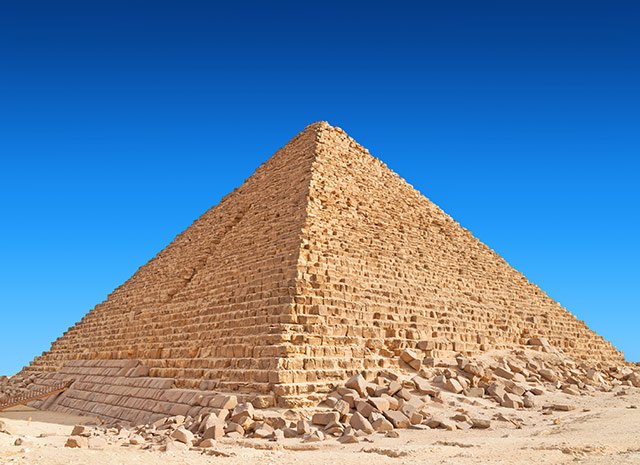
Hidden Voids Discovered Behind Egypt’s Pyramid of Menkaure Point to Possible Lost Entrance

-

Flamengo and PSG have faced each other three times; check out their record
-

Indonesia Open Footgolf Tournament: Comedian Oki Rengga Admits Addiction, Wants to Become a Professional Athlete
-

Shameful Incident in Punjab! Landlord Rolls Tenant’s Daughter
-

Virgil van Dijk Expresses Desire for Mohamed Salah to Stay at Liverpool
Deixe um comentário