Hiroshima and Nagasaki: Deep Scars of Nuclear Weapons
On August 6, 1945, the United States dropped the first atomic bomb used in warfare on Hiroshima, Japan. The explosion resulted in approximately 70,000 deaths instantly, with the death toll reaching around 140,000 by the end of the year. Just three days later, on August 9, the United States dropped the second atomic bomb on Nagasaki, causing around 40,000 immediate deaths, with the death toll rising to about 70,000 by the end of the year.
These two nuclear attacks not only led to massive civilian casualties but also subjected hundreds of thousands of survivors to long-term effects of nuclear radiation, including cancer, chronic illnesses, and psychological trauma. The devastating blows suffered by Hiroshima and Nagasaki have left indelible scars in human history, prompting ongoing reflection and vigilance worldwide on the destructive consequences of nuclear weapons.
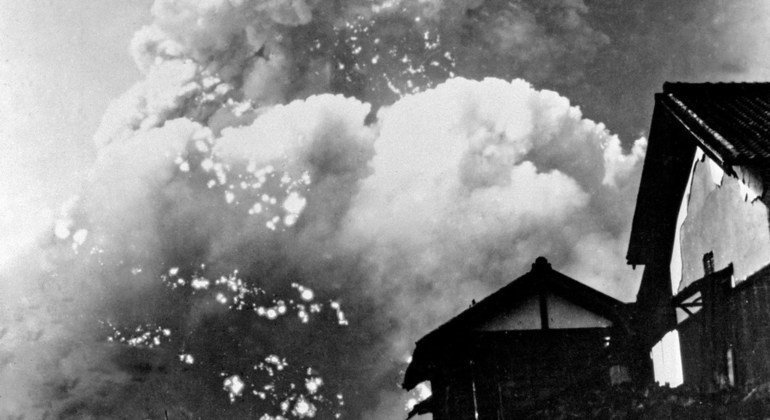
Hiroshima Atomic Bombing 80th Anniversary: UN Secretary-General Mourns Victims and Calls for a Nuclear-Free World

-

Flamengo and PSG have faced each other three times; check out their record
-

Indonesia Open Footgolf Tournament: Comedian Oki Rengga Admits Addiction, Wants to Become a Professional Athlete
-

Shameful Incident in Punjab! Landlord Rolls Tenant’s Daughter
-

Virgil van Dijk Expresses Desire for Mohamed Salah to Stay at Liverpool
Deixe um comentário