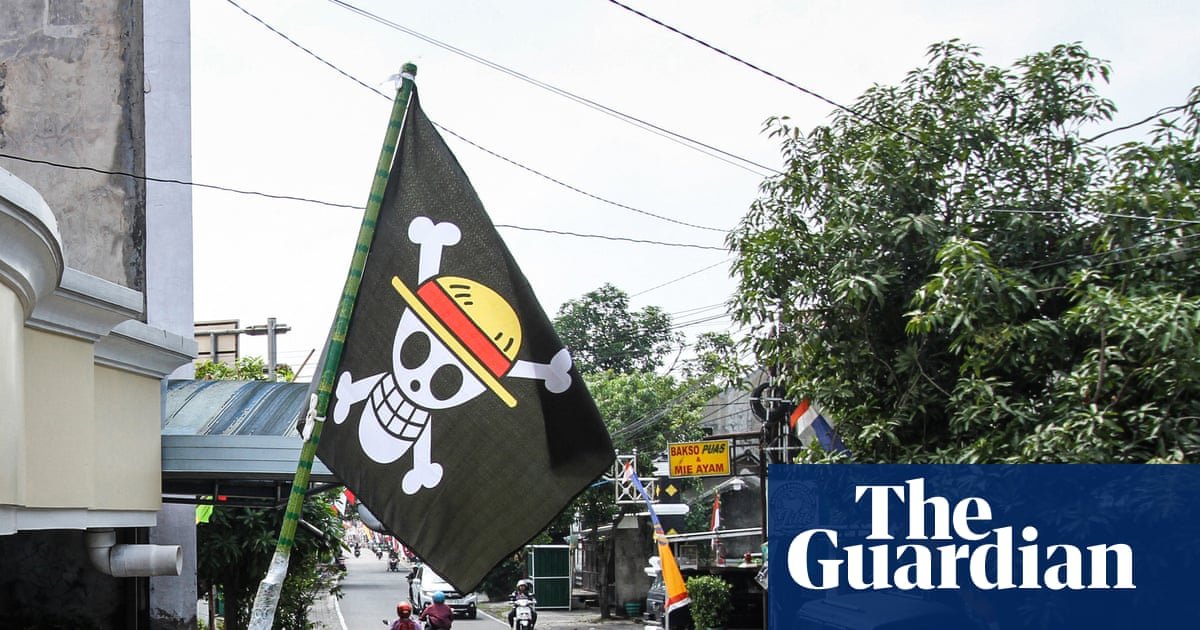
Indonesia recently decided to postpone the release of a collection of contentious history books following criticism from historians and activists. The project has been accused of attempting to minimize past atrocities and has been labeled as an example of ‘historical amnesia.’ The delay in publication comes amidst widespread anger and opposition to the plan, particularly in light of the growing anime flag movement which is perceived as a commentary on the erosion of democratic freedoms in the country under President Prabowo.
Historians and activists have raised concerns that the proposed changes to the history books could potentially distort the truth and rewrite significant events in Indonesia’s past. Many fear that revising historical narratives in this manner could lead to a whitewashing of the country’s dark history, particularly regarding human rights abuses and governmental wrongdoing. The criticism leveled against the project underscores the deep-rooted tensions between those seeking to preserve the truth of Indonesia’s past and those accused of manipulating historical accounts for political gain.
The outcry over the controversial history books reflects broader societal divisions and concerns about the erosion of democratic values in Indonesia. Critics argue that the proposed amendments are part of a broader trend of historical revisionism that aims to reshape narratives and perspectives to suit political agendas. The clash over the publication of these books highlights the ongoing struggle between different factions within Indonesian society, each vying to assert their version of the country’s history and identity.
The postponement of the history books signals a victory for those advocating for historical accuracy and integrity in Indonesia’s educational materials. By delaying the release of the controversial books, the government has acknowledged the validity of concerns raised by historians and activists about the potential consequences of altering historical accounts. The decision to reassess the content of the publications reflects a recognition of the importance of preserving an accurate historical record for future generations.
As Indonesia grapples with the implications of the delayed history book publication, questions remain about the government’s role in shaping historical narratives and the extent to which political interests influence educational materials. The ongoing debate over the project underscores the need for transparency and accountability in historical research and education, as well as a broader commitment to upholding the truth and integrity of Indonesia’s past. The controversy surrounding the history books serves as a stark reminder of the importance of preserving historical memory and learning from the mistakes of the past to build a more informed and just society.





Deixe um comentário