Cape Town in South Africa has consistently ranked among the metropolitan regions with the highest murder rates. With a rate more than double the national average, the city currently holds the second position overall and 16th worldwide. Unfortunately, many victims are only discovered after their bodies have decomposed, burned, or been exposed to the elements. This complicates the process of identification and delays the delivery of justice.
The forensic scientists in Cape Town are at the forefront of innovation when it comes to detecting and analyzing decomposed bodies. Their work has been crucial in improving the accuracy and efficiency of forensic investigations. By developing new methods and technologies, these scientists are enhancing the capabilities of law enforcement to solve crimes and bring perpetrators to justice.
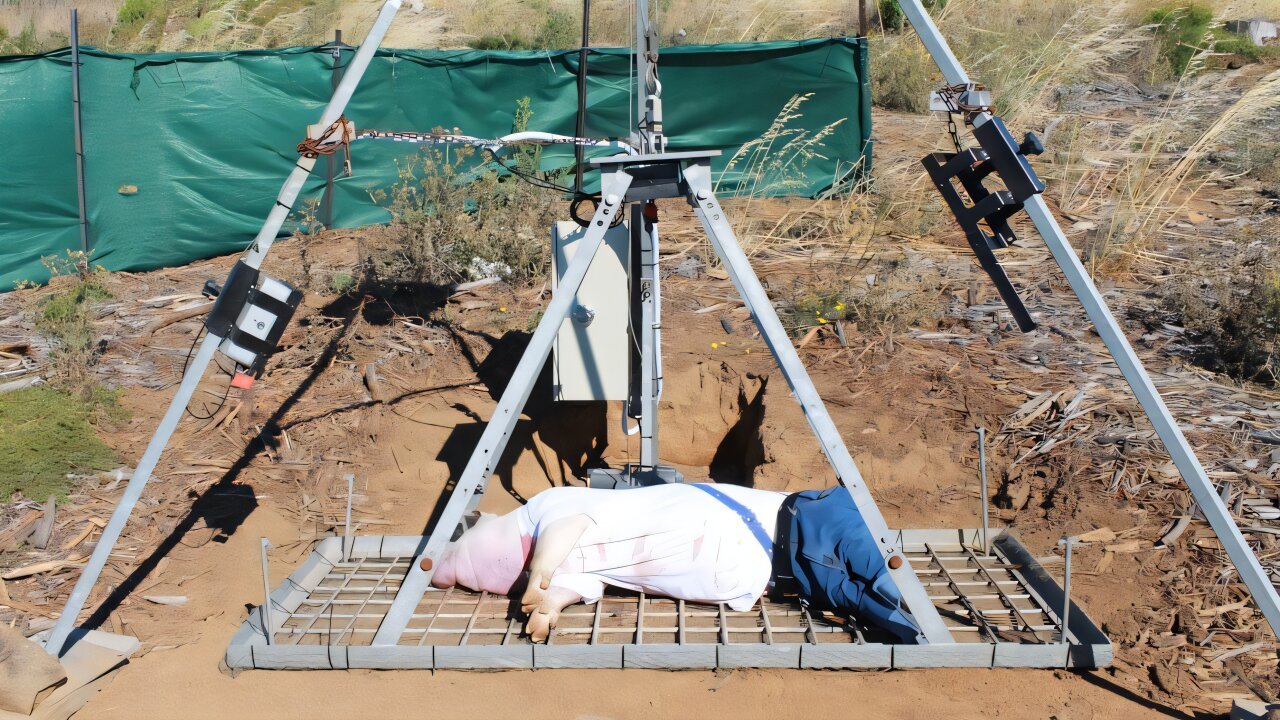
One major advancement in this field is the development of an automated taphonomic data collection apparatus. This tool helps gather crucial information about the decomposition process of bodies, aiding in the determination of time since death and other critical forensic details. By utilizing cutting-edge technology, such as this automated system, Cape Town forensic scientists are revolutionizing the way decomposed bodies are examined and analyzed.
The editorial process and policies at Science X have ensured the credibility of this article. Editors have highlighted the importance of the sub-frame components of the automated taphonomic data collection apparatus in advancing forensic science. The meticulous review process guarantees that the content meets high standards of accuracy and reliability, providing readers with valuable insights into the innovative methods being employed by Cape Town forensic scientists.
In conclusion, the efforts of Cape Town forensic scientists in pushing the frontiers of new detection methods for decomposed bodies are commendable. By leveraging technology and expertise, these professionals are making significant strides in improving the efficiency and accuracy of forensic investigations. Their dedication to enhancing the field of forensic science is crucial in addressing the challenges posed by high murder rates and the complexities of dealing with decomposed remains.





Deixe um comentário