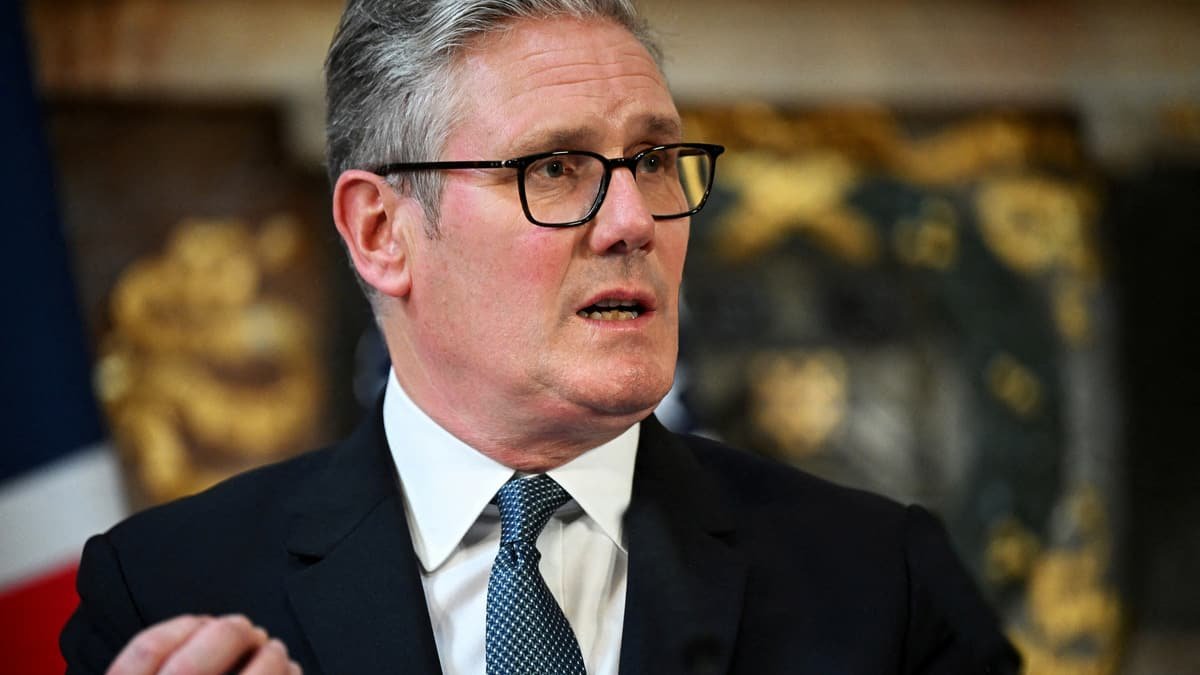
The UK is struggling with a rubbish problem, as demonstrated by a recent incident of illegal dumping in Oxfordshire. The culprit, a 39-year-old man from Guildford, was arrested in connection with the dumping near a river. This situation prompted an emergency declaration from the Environment Agency, with Prime Minister Sir Keir Starmer condemning the act as ‘utterly appalling’. The illegal dumping, also known as fly-tipping, occurred in a field near Kidlington and involved a substantial amount of waste. Authorities discovered processed domestic waste, shredded plastics, polystyrene, tyres, and other household items in the pile, which posed pollution risks to the nearby Cherwell River.
The fly-tipping incident sparked outrage and prompted a criminal investigation. The Environment Agency and other authorities took swift action to prevent further waste disposal at the site. Despite concerns about potential environmental consequences, there is currently no evidence of the garbage seeping into the river. In response, officials placed barriers to minimize waste movement during heavy rainfall or flooding. Additionally, the public has been advised to avoid the area due to health and safety risks. Notably, the UK’s penalties for fly-tipping range from fines to imprisonment, indicating the seriousness of such offenses.
Aside from dealing with local waste issues, the UK exports significant amounts of trash, particularly plastic, to other countries annually. A recent report highlighted a five percent increase in plastic exports, reaching nearly 600,000 tonnes in 2024. The UK, as one of the top plastic waste producers per capita, exported substantial amounts of plastic to countries like Indonesia and Malaysia, contributing to a global waste colonialism issue. This practice has led to environmental crises in recipient countries, where much of the plastic is improperly processed or discarded, impacting vulnerable populations.
The report also suggests that the UK’s reliance on exporting plastic waste undermines domestic recycling efforts. By ceasing exports and investing in recycling infrastructure, the UK could create thousands of jobs and generate significant revenue by 2030. This shift would not only improve the country’s waste management practices but also reduce environmental harm caused by exporting waste. The UK has the potential to lead by example in sustainable waste management practices, ensuring a cleaner and healthier environment for current and future generations.
How UK Continues to Export Mountains of Rubbish Despite Domestic Concerns

-

Flamengo and PSG have faced each other three times; check out their record
-

Indonesia Open Footgolf Tournament: Comedian Oki Rengga Admits Addiction, Wants to Become a Professional Athlete
-

Shameful Incident in Punjab! Landlord Rolls Tenant’s Daughter
-

Virgil van Dijk Expresses Desire for Mohamed Salah to Stay at Liverpool
Deixe um comentário