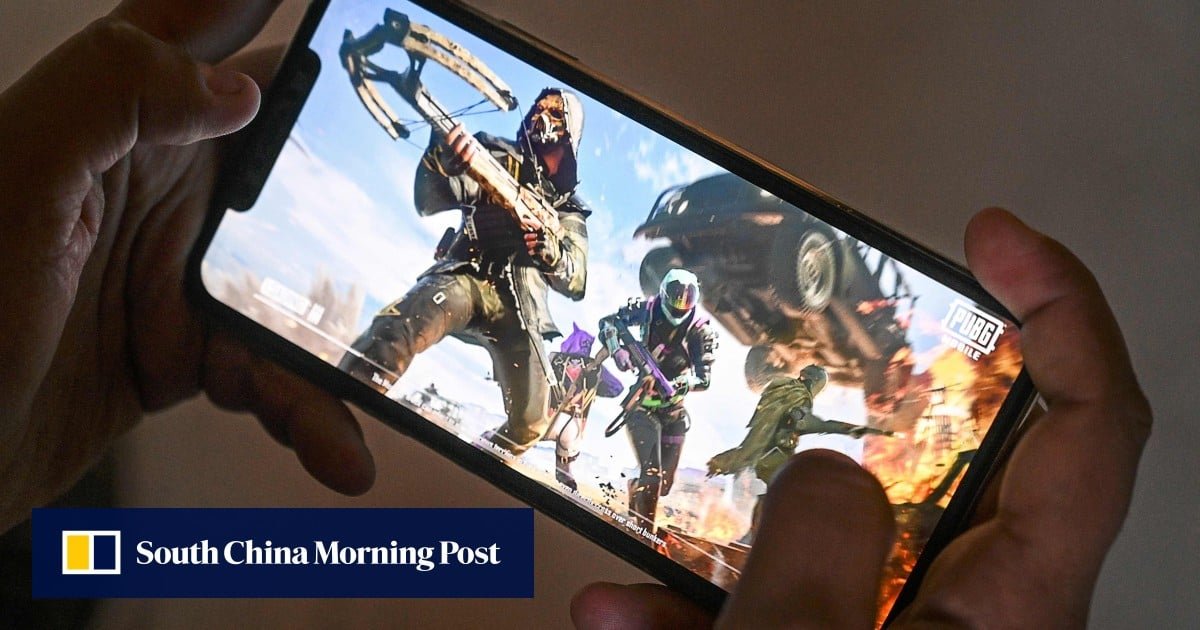
After a mosque bombing, Indonesia is reviewing the possibility of banning violent video games. State secretary Prasetyo Hadi mentioned that officials are considering limiting the negative effects of online games, with a focus on popular titles like PUBG: Battlegrounds. The game’s accessibility and emphasis on combat are seen as potentially harmful influences on young users, according to Prasetyo. He highlighted the ease of learning different weapons in the game, noting that such exposure to violence could have psychological impacts, normalizing aggressive behavior.
These new considerations come amidst concerns about extremist activities in Indonesia, with some officials linking violent video games to radicalization efforts. Prabowo’s directive to address online gaming effects reflects a broader effort to combat extremism in the country. However, experts argue that issues related to child behavior extend beyond screen time, urging a comprehensive approach. They emphasize the importance of addressing underlying factors that contribute to problematic behavior, rather than focusing solely on video games.
The debate surrounding violent video games is complex, with differing views on how these games impact individuals. While some believe that such games can desensitize players to violence, others argue that they provide a safe outlet for expression. In Indonesia, the potential ban on games like PUBG raises questions about freedom of choice and the role of government in regulating entertainment. Critics suggest that broader societal issues, such as poverty and education, are crucial factors to consider in addressing extremism, rather than solely targeting video games.
As Indonesia navigates the intersection of technology, youth culture, and extremism, finding a balanced approach is crucial. The impact of violent video games on individuals’ behavior remains a topic of ongoing research and debate globally. While regulations may help limit exposure to harmful content, addressing underlying societal issues is essential for creating lasting change. By examining a range of factors influencing child behavior, Indonesia can develop holistic solutions that promote positive development and counter extremism effectively.





Deixe um comentário