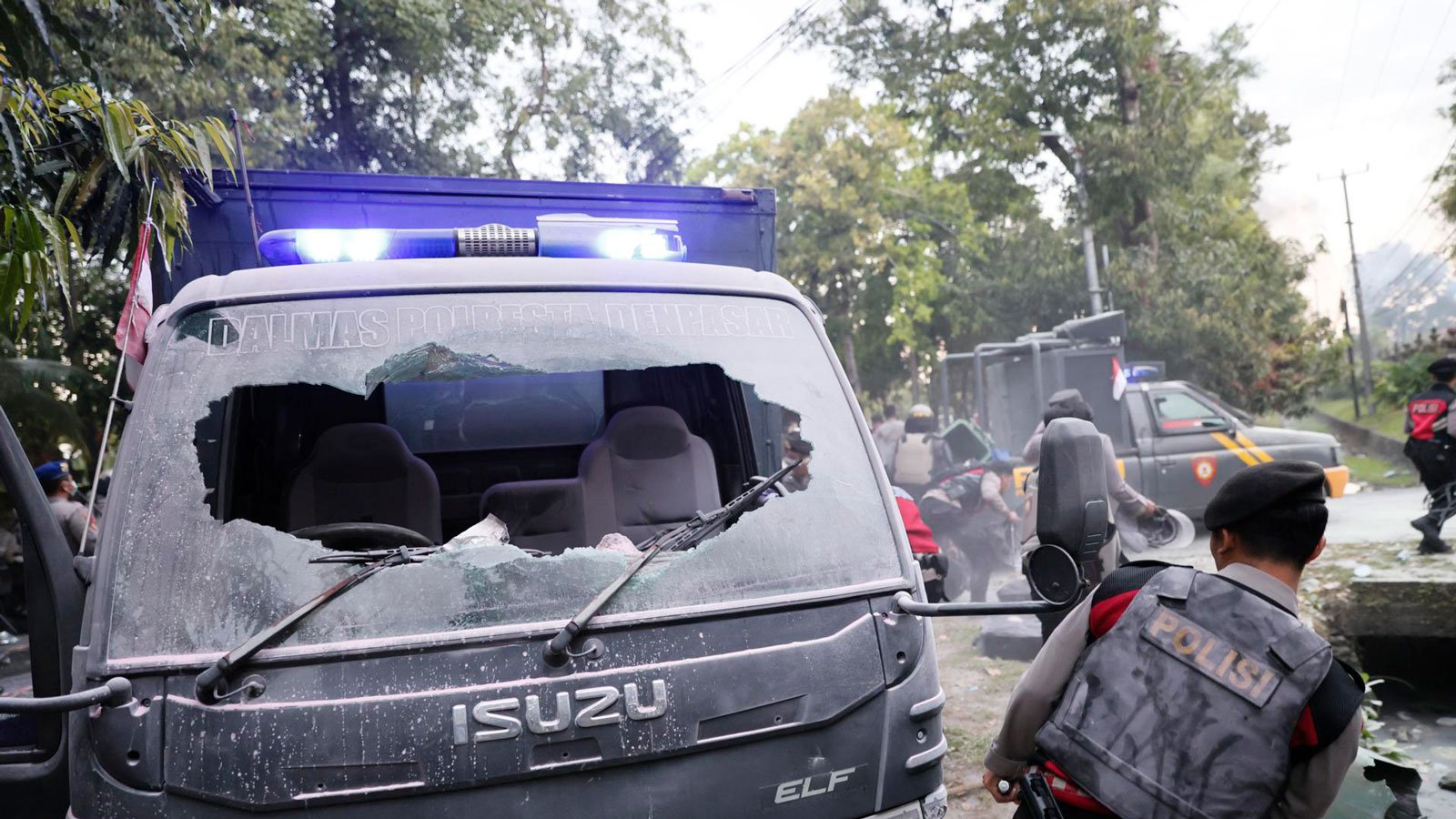
The President of Indonesia, Prabowo Subianto, described some of the protest actions in the country over the weekend as ‘treason’ and ‘terrorism.’ The wave of popular revolt began after an announcement of a salary increase for lawmakers, triggering a series of demonstrations across the nation. Subianto’s labeling of the protests as ‘terrorism’ sparked controversy and further fueled the anger of demonstrators.
The government of Indonesia had initially proposed a significant salary increase for lawmakers, drawing widespread criticism and public outrage. Citizens took to the streets to express their discontent with the decision, demanding accountability and transparency from the country’s leaders. The demonstrations quickly escalated, with protesters calling for the resignation of government officials and expressing frustration with the perceived corruption and lack of concern for the people’s well-being.
President Subianto’s characterization of the popular revolt as ‘terrorism’ raised concerns among human rights organizations and international observers. The labeling of peaceful protests as acts of terrorism has been widely condemned as an attempt to suppress dissent and violate the fundamental right to peaceful assembly. The government’s response to the demonstrations has sparked debate about the state of democracy and freedom of expression in Indonesia.
The protests continued to intensify, with demonstrators refusing to back down despite threats of force and intimidation from authorities. The growing unrest and civil disobedience forced the government to reconsider its decision on lawmakers’ salaries, signaling a potential shift in policy as a response to public pressure. The reaction of President Subianto and his administration to the protests highlighted the deep divide between the ruling elite and the ordinary citizens of Indonesia.
As the situation in Indonesia remains volatile, with tensions running high and the possibility of further unrest looming, the government faces a critical challenge in addressing the grievances of the people and restoring trust in the political system. The outcome of the popular revolt and the government’s response will likely have far-reaching consequences for the future of democracy and governance in Indonesia.





Deixe um comentário