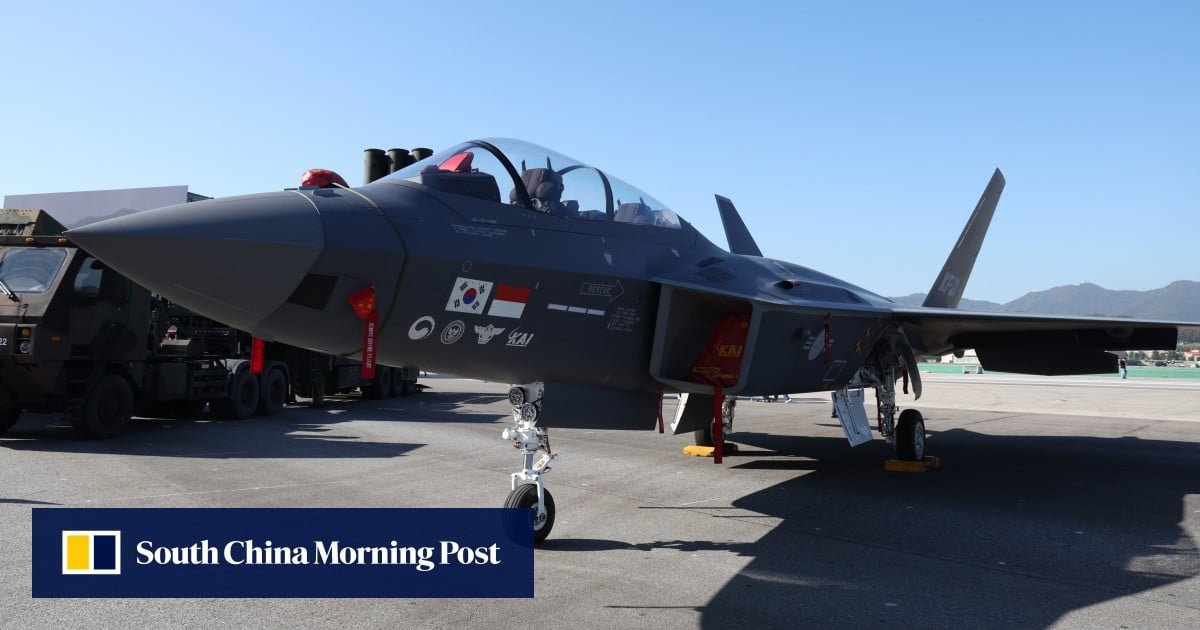
Recent reports from Indonesian media revealed a meeting between Indonesian Foreign Minister Sugiono and North Korean Foreign Minister Choe Son-hui in Pyongyang. This meeting, the first of its kind since 2013, has raised concerns in Seoul over potential leaks of fighter jet technology. Critics argue that Jakarta’s credibility has been compromised by past issues with payment delays and scandals related to the KF-21 aircraft project.
The meeting comes at a sensitive time, as the KF-21 aircraft project involves collaboration between Indonesia and South Korea. The concerns in Seoul stem from worries that sensitive technology could be shared with North Korea, impacting regional security. Despite reassurances from Indonesian officials about the nature of the meeting, suspicions linger regarding the potential implications for the fighter jet project.
The KF-21 aircraft project is a key initiative for Indonesia, aimed at developing indigenous fighter jet technology. However, delays and controversies have plagued the project, further fueling doubts about Jakarta’s ability to safeguard sensitive information. With ties between Jakarta and Pyongyang under scrutiny, questions persist about the potential risks posed by the meeting between the foreign ministers.
The situation has sparked debate within Indonesia about the country’s foreign policy and national security. Some voices have called for greater transparency and accountability in diplomatic relations, particularly with countries like North Korea. As concerns mount in Seoul over the implications of the meeting, Indonesia faces pressure to address the issues surrounding the KF-21 aircraft project.
Overall, the meeting between Indonesian and North Korean officials has prompted a reassessment of Jakarta’s ties with Pyongyang. The fallout from the meeting has highlighted the challenges of balancing economic interests with national security concerns, particularly in a project as significant as the KF-21 aircraft development. As the situation unfolds, stakeholders in both Indonesia and South Korea are closely monitoring developments to address the potential risks associated with the collaboration.





Deixe um comentário