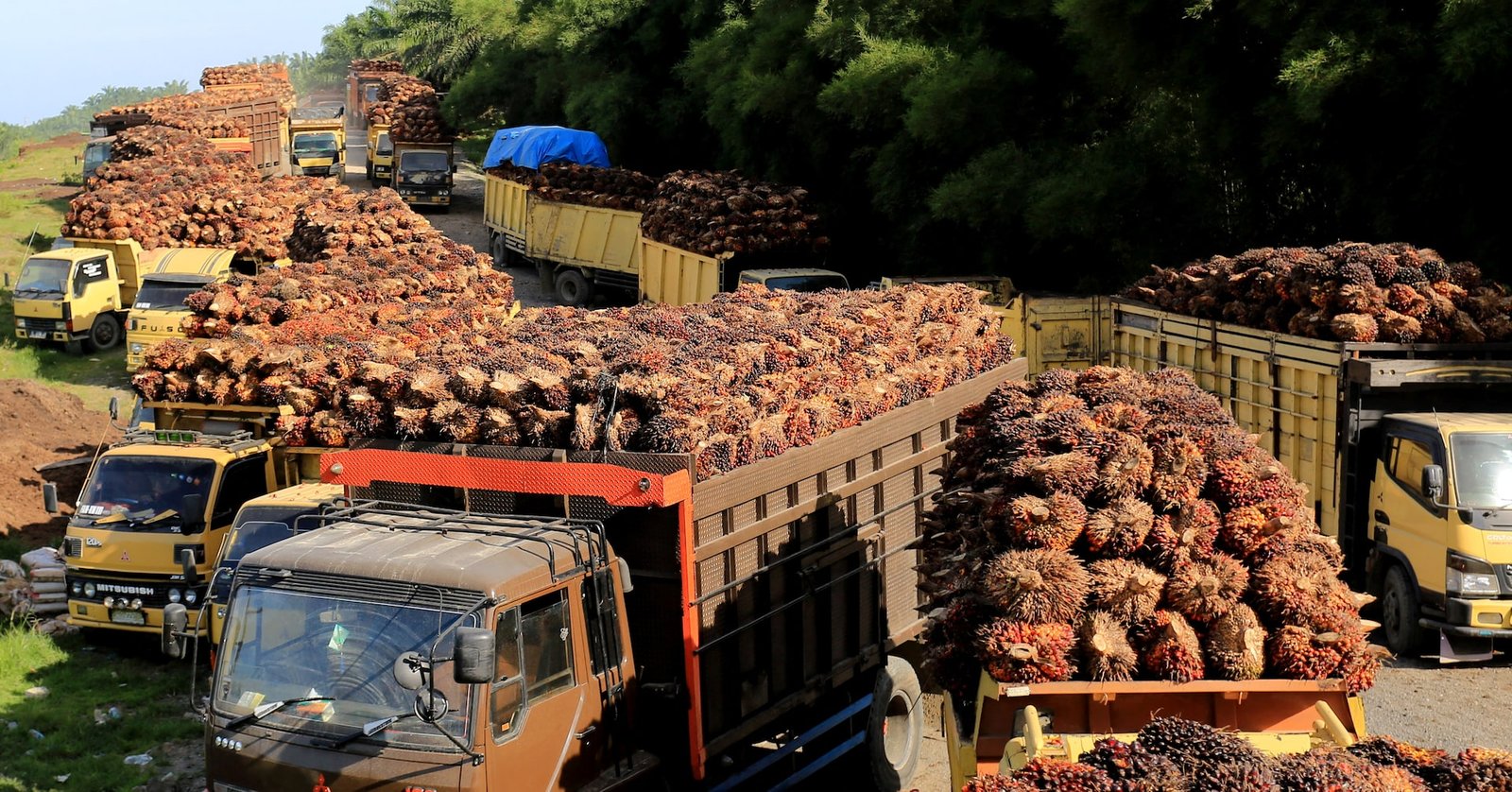
Indonesia’s palm oil exports to the European Union are expected to see a boost in the coming years as a result of a bilateral trade agreement and the European Union’s decision to delay the implementation of its anti-deforestation legislation once again. The head of an industry association shared this insight with Reuters on Wednesday, highlighting the positive impact these developments could have on Indonesia’s palm oil industry.
The trade pact between Indonesia and the EU is set to play a significant role in driving up palm oil exports to the European market. With the potential for reduced trade barriers and enhanced market access, Indonesian producers are poised to benefit from increased demand for their products. The regulatory reprieve granted by the EU further adds to the optimistic outlook for Indonesia’s palm oil sector, providing a favorable environment for growth and expansion in the European market.
As Indonesia looks ahead to 2026, there is a sense of anticipation surrounding the projected rise in palm oil exports to the EU. The trade pact and regulatory developments offer a promising landscape for Indonesian palm oil producers, setting the stage for an uptick in exports to European countries. This positive outlook is welcomed by industry stakeholders who see it as a valuable opportunity to strengthen Indonesia’s position as a key player in the global palm oil market.
The EU’s decision to delay the enforcement of its anti-deforestation law is seen as a key factor in driving the anticipated increase in Indonesia’s palm oil exports. By providing a window of opportunity for Indonesian producers to align with sustainability standards, this regulatory reprieve enables continued trade with the EU. The industry is optimistic about the potential growth prospects that lie ahead, buoyed by the supportive measures taken by both Indonesia and the EU to foster sustainable palm oil production.
In the midst of evolving trade dynamics and regulatory frameworks, Indonesia’s palm oil industry is poised to capitalize on the opportunities presented by the EU trade pact and regulatory reprieve. With a strategic focus on meeting market demand while adhering to environmental standards, Indonesian palm oil exporters are gearing up for a positive trajectory in the European market. The projections for increased exports underscore the resilience and adaptability of Indonesia’s palm oil sector in navigating changing global trade landscape.
Looking ahead, the synergy between Indonesia’s palm oil sector and the EU market is expected to drive growth and prosperity for both parties. The trade pact serves as a catalyst for strengthening economic ties and promoting sustainable practices in palm oil production. By capitalizing on these mutually beneficial initiatives, Indonesia aims to position itself as a reliable and responsible palm oil supplier to the European Union, leveraging the positive momentum generated by the trade agreement and regulatory developments.





Deixe um comentário