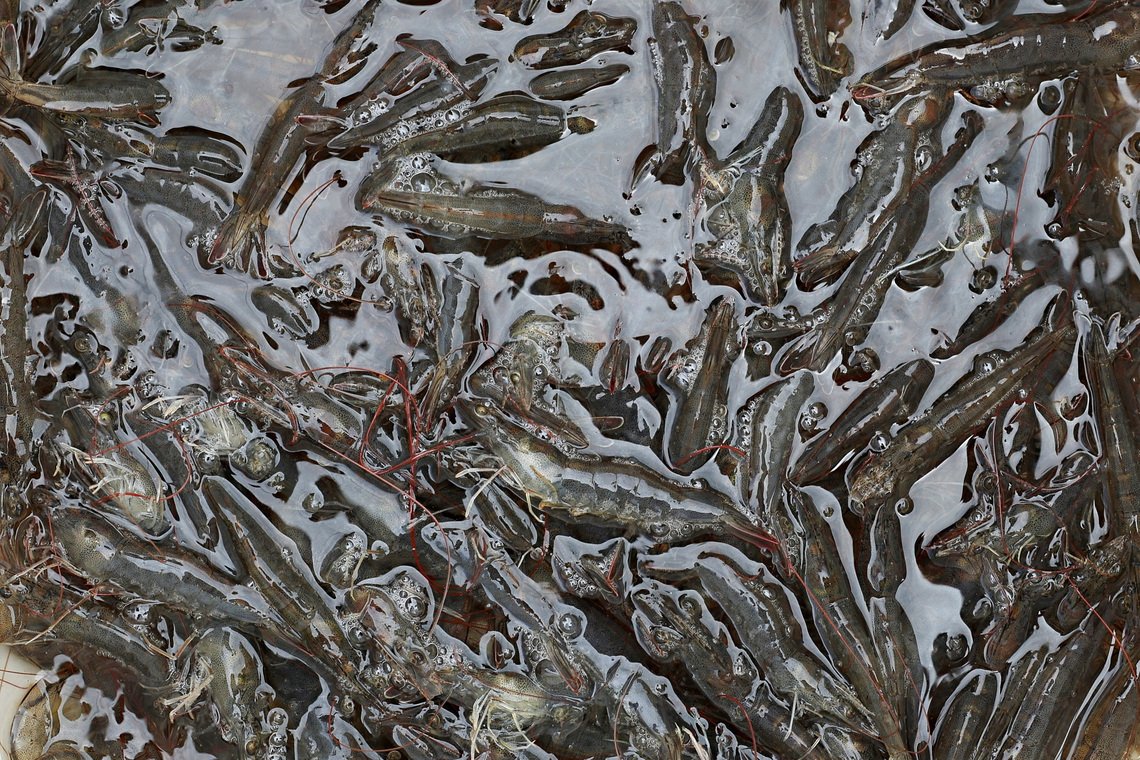
Indonesia’s shrimp industry faced a major setback with a 30-35% decrease in processing absorption after the discovery of radioactive contamination in a batch of shrimp exported to the U.S. in August. The news was revealed by the country’s shrimp farmers’ association on Friday. The association reported that the incident had a detrimental impact on the industry, leading to a significant drop in processing orders.
The radioactive case raised concerns about the safety and quality of Indonesia’s shrimp exports, prompting a decrease in demand from international markets. The association highlighted the need for stricter quality control measures to prevent future contamination issues and rebuild consumer trust in the industry. The incident served as a wake-up call for stakeholders to prioritize food safety standards and ensure the integrity of Indonesia’s seafood exports.
In response to the crisis, Indonesia’s shrimp farmers are working to regain market confidence through enhanced testing protocols and quality assurance procedures. The association emphasized the importance of transparent communication and proactive measures to address the aftermath of the radioactive contamination case. Efforts are being made to restore the industry’s reputation and secure long-term partnerships with global buyers.
The association’s statement underscored the resilience of Indonesia’s shrimp industry in overcoming challenges and adapting to changing market dynamics. Despite the setback caused by the radioactive incident, stakeholders are committed to implementing sustainable practices and maintaining the industry’s competitiveness in the global market. Moving forward, industry players are focused on enhancing product safety and compliance to regain consumer confidence and support economic recovery.
Looking ahead, Indonesia’s shrimp industry remains determined to overcome the fallout from the radioactive contamination incident and emerge stronger than before. The association’s proactive response and commitment to quality assurance are key factors in rebuilding the industry’s reputation and securing its position in the global seafood market. By prioritizing transparency and adherence to strict safety standards, Indonesia aims to restore trust among consumers and strengthen its foothold in the international shrimp trade.





Deixe um comentário