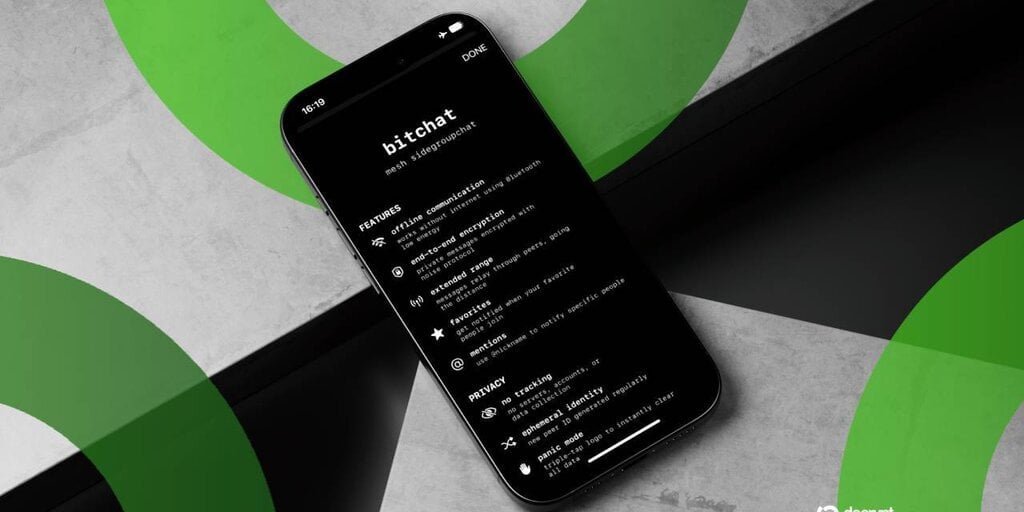
Nepal’s recent ban on social media platforms has driven a surge in the usage of Jack Dorsey’s new decentralized chat app. With the blockade of 26 major platforms, including Facebook, WhatsApp, YouTube, and Instagram, many Nepalis have turned to Bitchat as a means of communication. Tens of thousands of users have downloaded the app, utilizing its decentralized nature to communicate and organize during times of social unrest and protest. This shift in usage highlights the app’s potential as a vital tool for protestors in countries where internet access is restricted.
In Indonesia, a similar trend is emerging as government crackdowns on social media have prompted a rise in Bitchat usage. With authorities imposing restrictions on popular platforms like Twitter and Instagram, Indonesians are increasingly turning to decentralized messaging apps like Bitchat to bypass censorship and communicate securely. The app’s encryption features and decentralized infrastructure have made it a popular choice for those seeking to share information and mobilize for social causes amidst government control and surveillance.
The growing adoption of Bitchat in Nepal and Indonesia underscores the app’s role as a powerful tool for protestors facing social media bans and government crackdowns. By leveraging its decentralized nature and encrypted messaging capabilities, users are able to circumvent censorship and communicate freely in environments where traditional social media platforms are restricted. This shift in communication behavior signals a broader trend towards decentralized technologies as a means of resisting authoritarian control and promoting freedom of expression.
As social unrest continues to unfold in various parts of the world, the importance of platforms like Bitchat in facilitating communication and organization during times of crisis becomes increasingly evident. The app’s surge in popularity in Nepal and Indonesia reflects a growing reliance on decentralized messaging tools as a response to government censorship and surveillance. By offering a secure and private means of communication, Bitchat has become a valuable resource for protestors seeking to amplify their voices and mobilize for change in challenging environments.
In light of these developments, Jack Dorsey’s Bitchat has emerged as a key player in the realm of decentralized messaging apps, providing users in Nepal and Indonesia with a secure and censorship-resistant platform for communication. As governments escalate crackdowns on social media and digital communication, the app’s decentralized infrastructure offers a lifeline for those seeking to preserve freedom of expression and access information in challenging socio-political contexts.





Deixe um comentário