Scientists have successfully reversed acute kidney injury (AKI) in mice by genetically altering ceramide processing, preventing damage to mitochondria. This drug-free approach led to normal kidney function and intact mitochondria even under extreme stress, revealing ceramides as a key factor in kidney damage. Published in Cell Metabolism, the University of Utah Health study surprised researchers with the effectiveness of the treatment, which could offer a new path for AKI therapy. By altering ceramide production in mice, the team created ‘super mice’ that were highly resistant to kidney injury, showing no tissue damage or decline in energy levels even under stress. This breakthrough approach protected mitochondria in kidney cells, highlighting a unique strategy for AKI treatment. The research also tested a drug to lower ceramides, with promising results that may lead to human trials. This discovery not only shows potential for treating kidney failure but also suggests broader benefits for mitochondrial health in other diseases, emphasizing the need for further research and testing.
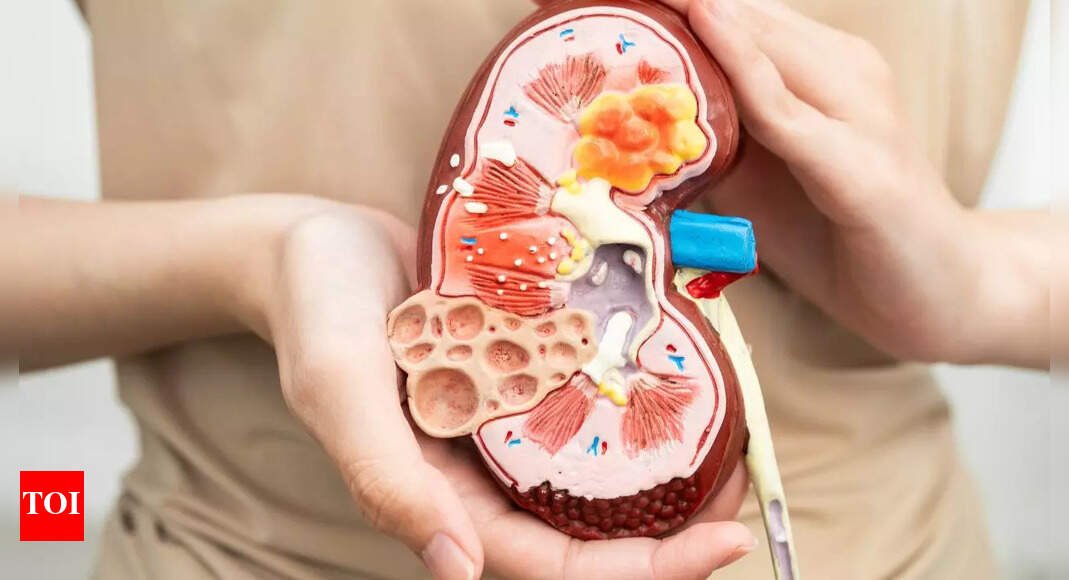
Kidney Failure Reversed in Mice – Potential Breakthrough for Human Treatment

-

Flamengo and PSG have faced each other three times; check out their record
-

Indonesia Open Footgolf Tournament: Comedian Oki Rengga Admits Addiction, Wants to Become a Professional Athlete
-

Shameful Incident in Punjab! Landlord Rolls Tenant’s Daughter
-

Virgil van Dijk Expresses Desire for Mohamed Salah to Stay at Liverpool
Deixe um comentário