In an extraordinary finding of stellar astrophysics, the LIGO-Virgo-KAGRA Collaboration announced the detection of GW231123, the most massive binary black hole merger observed. The signal revealed a collision between black holes with a total mass up to 265 times that of the Sun. Black holes can vary in size, including stellar-mass, supermassive, and intermediate-mass. The short-duration signal lasting 0.1 seconds was detected by the Advanced LIGO Hanford and Livingston detectors. The event poses a challenge to the standard model of stellar formation, challenging the Pair-Instability Mass Gap theory. The analysis of GW231123 reveals component masses falling within the forbidden zone, implying alternative formation mechanisms. The observation pushes boundaries, helping paint a more complete picture of cosmic history and laws governing extreme objects.
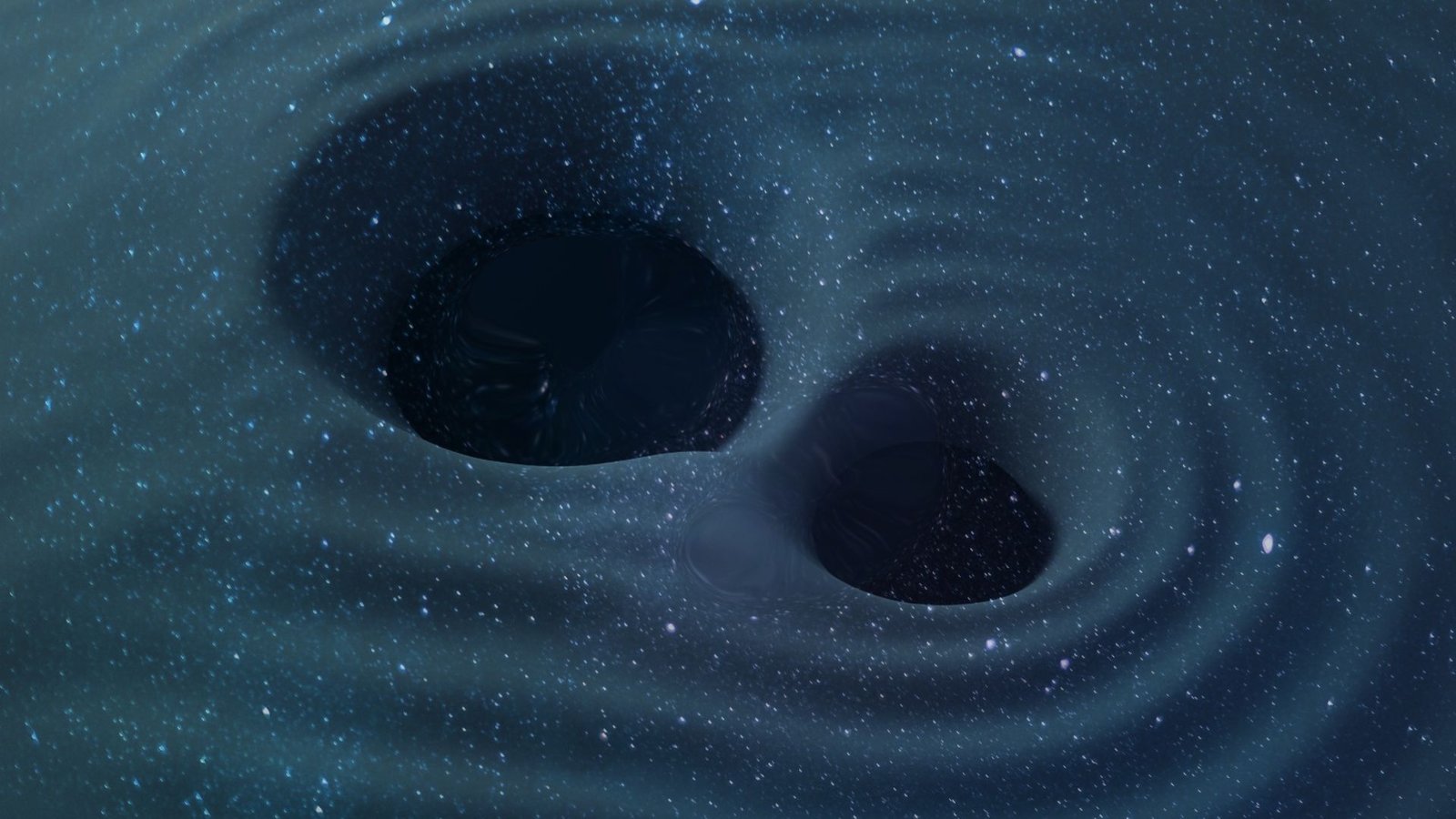
LIGO Detects Most Massive Black Hole Merger Ever; Observation Challenges Standard Stellar Theory

-

Flamengo and PSG have faced each other three times; check out their record
-

Indonesia Open Footgolf Tournament: Comedian Oki Rengga Admits Addiction, Wants to Become a Professional Athlete
-

Shameful Incident in Punjab! Landlord Rolls Tenant’s Daughter
-

Virgil van Dijk Expresses Desire for Mohamed Salah to Stay at Liverpool
Deixe um comentário