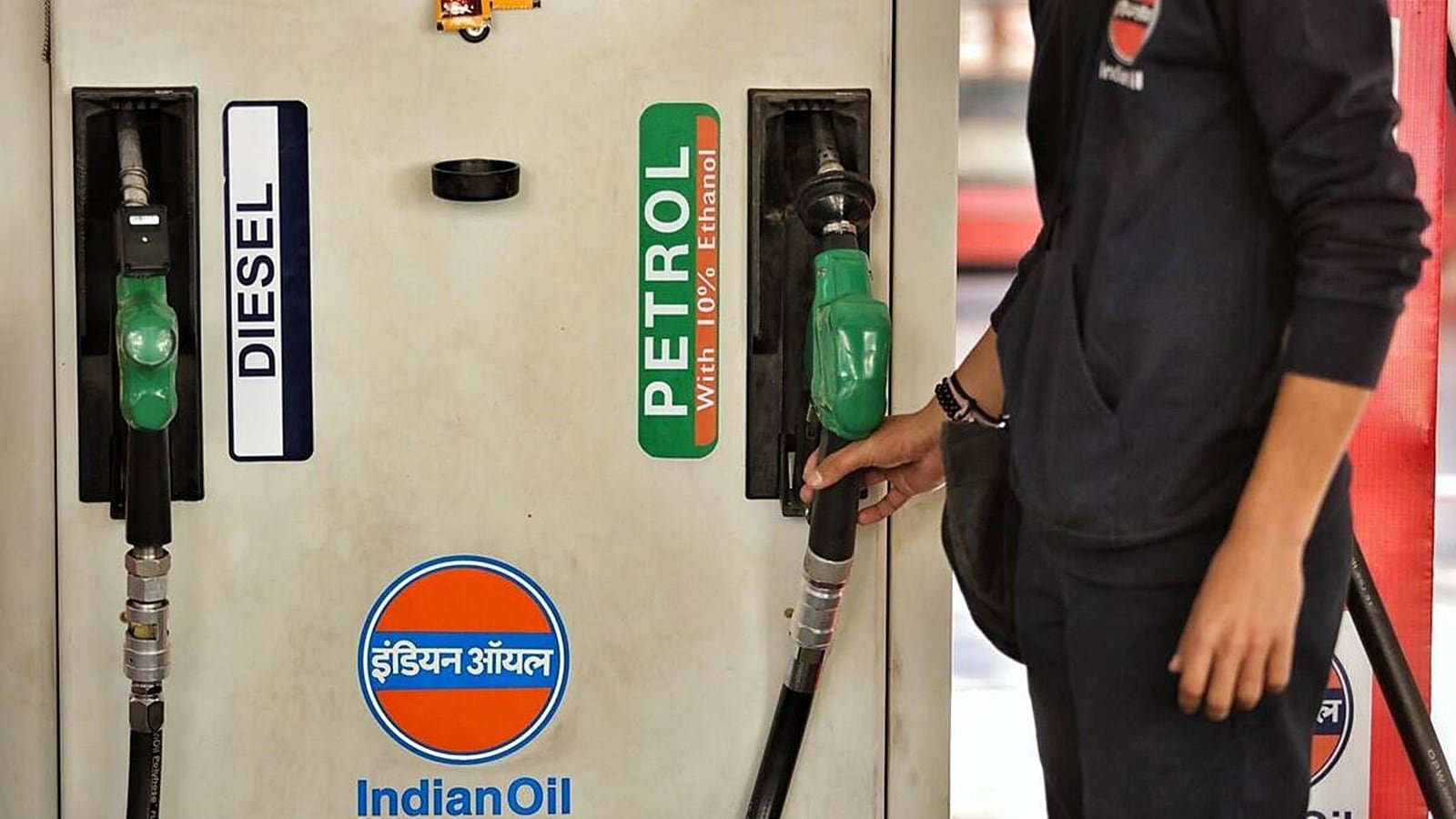
India’s ambitious efforts to promote E20 petrol, a blend of 20% ethanol, and the planned move towards E27 are seen as significant steps towards a greener future. However, the lack of flex fuel vehicles in India has raised concerns among car owners, particularly those with older models. Filling older internal combustion engine vehicles with E20 fuel, especially those manufactured before 2023, raises worries about potential engine damage caused by the higher ethanol content.
Brazil’s experience with ethanol blends offers a potential template for India’s transition. Brazil successfully implemented ethanol blends in their fuel supplies, supported by a well-established flex fuel vehicle market. By contrast, India’s current lack of flex fuel vehicles poses challenges for a smooth transition to E20 and E27 fuels. Concerns about mileage, engine performance, and long-term engine damage loom large among Indian car owners.
As India navigates its shift towards ethanol blends, the need for a calibrated approach becomes evident. Educating consumers about the implications of using E20 fuel in older vehicles is crucial to avoid potential engine damage. Additionally, investments in developing flex fuel vehicles can facilitate a smoother transition to higher ethanol blends in the future.
The debate surrounding E20 fuel in India underscores the importance of a comprehensive strategy that considers various stakeholders’ concerns. Balancing environmental goals with practical challenges faced by car owners is essential to ensure a successful transition to greener fuels. Learning from Brazil’s experience can provide valuable insights for India to address the current issues surrounding E20 fuel uptake.
Overall, India’s journey towards E20 and E27 fuels reflects a critical shift towards sustainable energy practices. By addressing concerns about mileage, engine damage, and the lack of flex fuel vehicles, India can chart a path towards a more environmentally friendly transportation sector. Embracing a holistic approach that includes consumer education and infrastructure development is key to realizing the potential benefits of ethanol-blended fuels in the Indian market.




Deixe um comentário