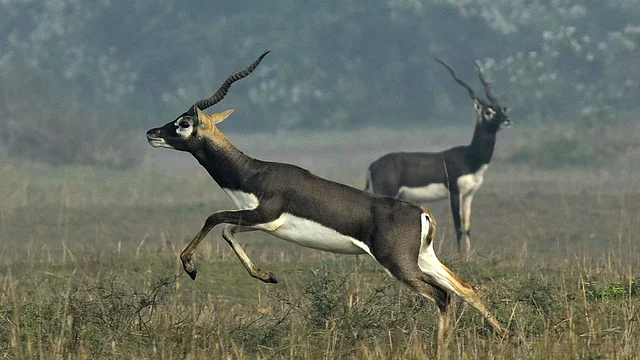
A 13-member team of experts from South Africa is expected to arrive in Shajapur district soon to carry out the capture of black bucks. However, they are currently in a holding pattern as they await permission for their pilot from the Directorate General of Civil Aviation (DGCA). The captured animals are destined to be transferred to Kuno National Park and Gandhi Sagar Sanctuary.
The team from South Africa is well-prepared and equipped for the capture operation. They are focused on making sure the black bucks are safely captured and relocated to their new habitats. The meticulous planning and expertise of the team will ensure the smooth execution of the relocation process.
Efforts are being made to expedite the approval process for the pilot so that the capture operation can proceed without delay. The team is eager to begin their mission and assist in the conservation efforts for the black bucks in Shajapur district.
The collaboration between the South African experts and the local authorities in Shajapur showcases the importance of international cooperation in wildlife conservation. By working together, they aim to create a sustainable environment for the black bucks and promote biodiversity in the region.
Once the necessary permissions are obtained, the team will swiftly move forward with the capture operation. The black bucks will be carefully captured and safely transported to their new home in Kuno National Park and Gandhi Sagar Sanctuary, ensuring their well-being and contributing to the conservation of the species.
The upcoming arrival of the South Africa team has generated excitement in Shajapur as locals and officials eagerly anticipate the successful capture and relocation of the black bucks. The cooperation and dedication of all parties involved highlight the collective commitment to preserving wildlife and natural habitats.
In conclusion, the South Africa team’s pending permission for their pilot is a crucial step in the process of capturing the black bucks in Shajapur. Once approved, the team will swiftly begin the relocation operation, marking a significant milestone in the conservation efforts for these endangered animals.





Deixe um comentário