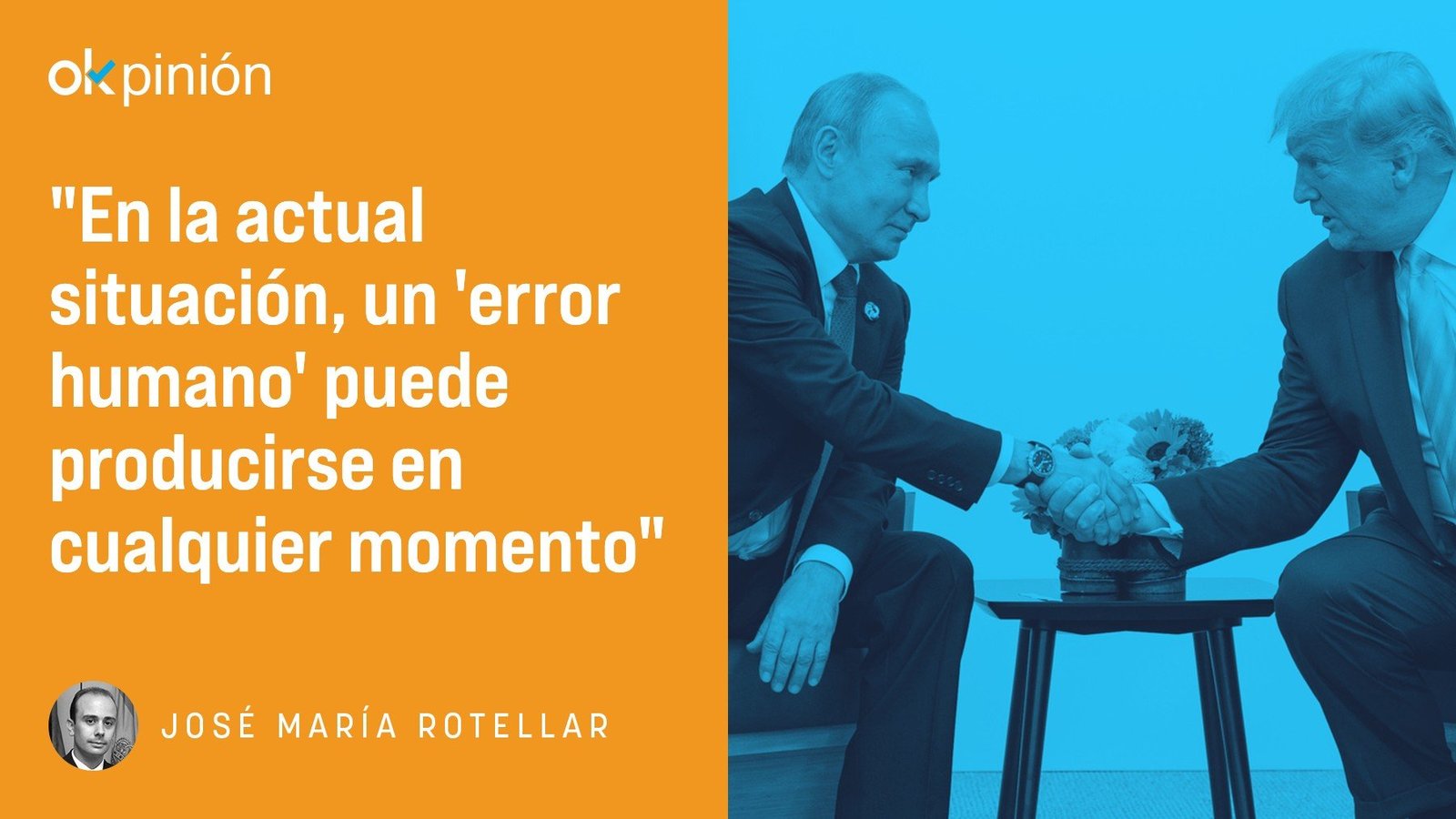
The last few days have been marked by a series of reports highlighting the growing concerns over incidents occurring along the borders of various former communist countries, now part of NATO. Particularly, the focus is on the Baltics – Latvia, Lithuania, and Estonia – where tensions with Russia have escalated. The fears stem from the potential for human error to lead to a dangerous situation. The BRICS countries have also expressed their desire to establish themselves as pillars of a new world order, emphasizing the need for a shift away from traditional power dynamics.
The recent events in the Baltic region have reignited discussions about the inherent risks of misunderstandings and miscommunications between NATO and Russia. The close proximity of military forces from both sides has heightened tensions, raising concerns about the potential for an accidental conflict. The situation underscores the delicate balance that must be maintained to prevent any miscalculations that could have dire consequences.
The incidents along the borders serve as a stark reminder of the fragility of the current geopolitical landscape. Any misstep or misinterpretation could quickly escalate into a larger conflict, with repercussions for the international community. The need for diplomacy and clear communication has never been more urgent as the stakes continue to rise amid the ongoing tensions between NATO and Russia.
As the world watches these developments unfold, the importance of de-escalation strategies cannot be overstated. Both NATO and Russia must tread carefully to avoid any actions that could be perceived as provocative or aggressive. The risk of human error looms large in this volatile situation, making it imperative for all parties involved to exercise restraint and prioritize peaceful resolutions to avoid a potentially catastrophic outcome.
In the face of mounting tensions, global leaders are being called upon to prioritize dialogue and diplomacy as the primary means of resolving conflicts. The need for open channels of communication and a commitment to peaceful solutions has never been more critical. The ramifications of a misstep in this high-stakes geopolitical game could have far-reaching consequences, underscoring the importance of vigilance and strategic decision-making to prevent any inadvertent escalation.





Deixe um comentário