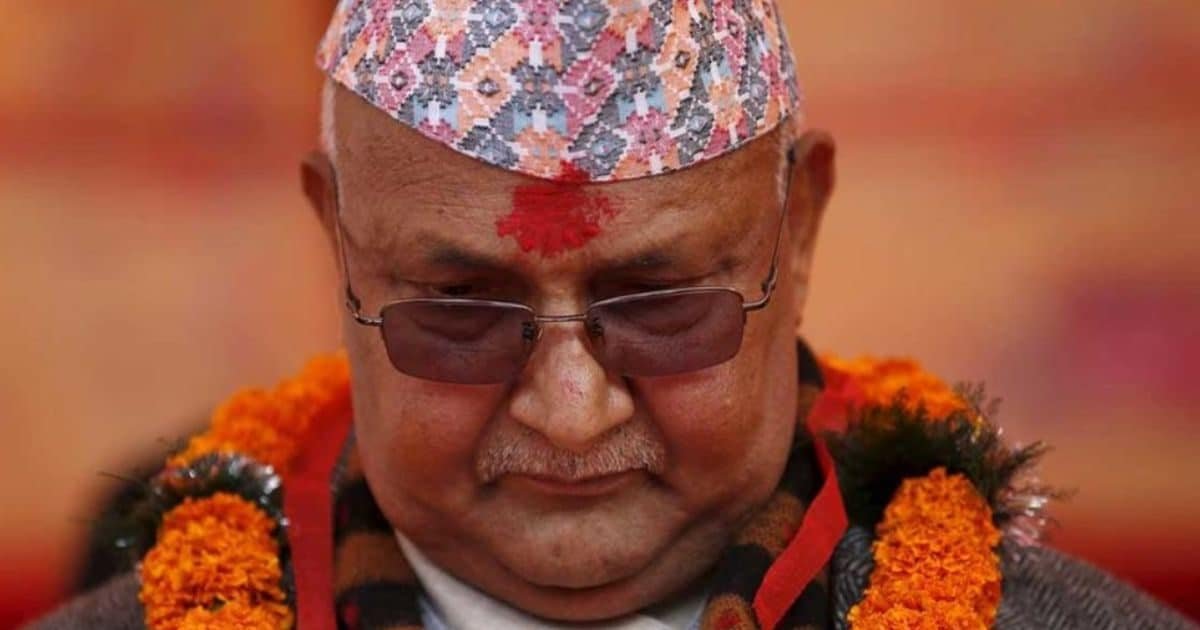
Nepal’s PM, K.P. Oli, has resigned amid ongoing protests in Kathmandu. The streets of the capital city were ablaze following two days of intense demonstrations. The flames of rebellion, once ignited, could not be extinguished, leading Oli to step down.
The resignation comes after a period of significant turmoil in Nepal. Following widespread unrest and protests, Oli felt compelled to leave his position to quell the growing dissent in the country. The intensity of the protests made it clear that Oli’s leadership was no longer accepted by the people.
Oli’s decision to resign marks a turning point in Nepal’s political landscape. His departure has left a void in leadership, with the country now facing uncertainty and a power vacuum at the highest level. The resignation has sparked discussions about the future direction of Nepal and the need for a stable and united government.
As Nepal grapples with the aftermath of Oli’s resignation, questions arise about the stability of the country’s government. The protests that led to Oli’s departure reflect deeper discontent among the population, signaling a need for significant political reform. The coming days will be crucial in determining Nepal’s path forward and resolving the current political crisis.
The resignation of PM Oli has sent shockwaves through Nepal’s political establishment. The sudden departure of a sitting prime minister has raised concerns about the country’s stability and governance. With Oli preparing to leave the country, Nepal faces a period of uncertainty and transition as it seeks to chart a new course in its political journey.



Deixe um comentário