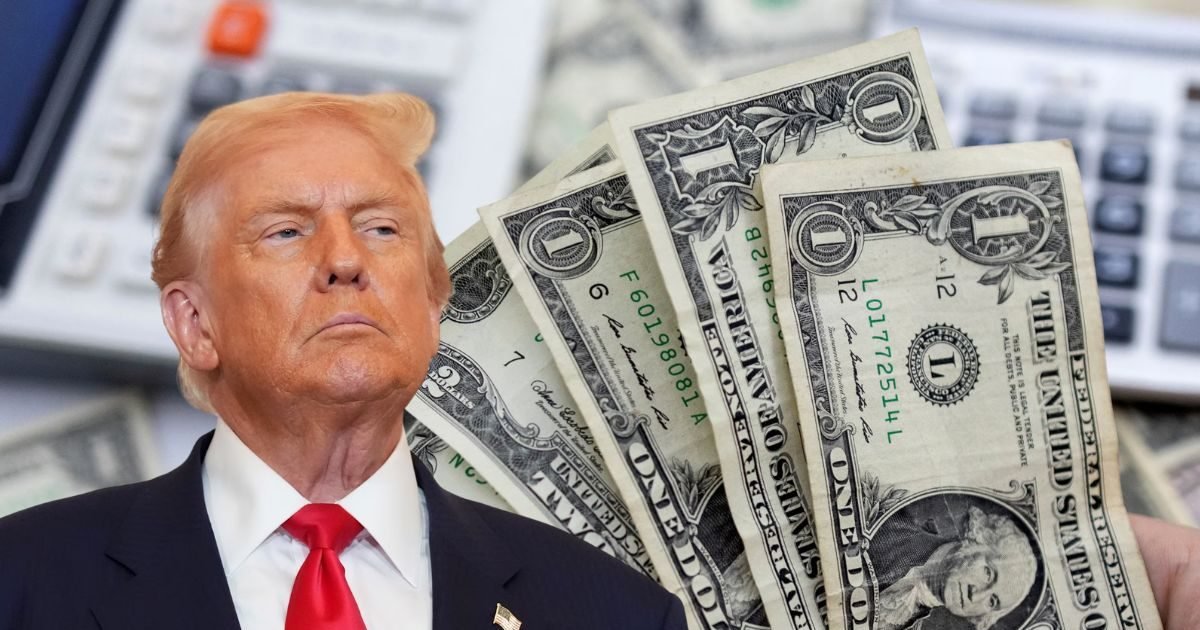
One Point to Consider: American President Donald Trump has stated that he has weakened the dollar by imposing tariffs on BRICS countries and saved America’s dollar-based power. The public is struggling to understand the implications of the attack on the dollar. It is necessary to understand how the strength of the dollar was initially established and what Trump is implying by saying that BRICS had a plan to attack the dollar.
BRICS is an organization formed by Brazil, Russia, India, China, and South Africa. Initially, it consisted of Brazil, Russia, India, and China, known as BRIC. Later, South Africa joined, expanding it to BRICS. In economic matters worldwide, Western countries held dominance, with control over institutions like the IMF and the World Bank. As Russia and China’s power increased in the 21st century, along with the strengthening economies of India and Brazil, these nations formed an independent organization to promote trade among themselves and establish a development bank for funding, reducing reliance on decisions from the US and European countries.
Donald Trump believes that the dollar is the source of America’s power. In international business, most transactions are conducted in dollars, making it essential for countries to possess the currency. Trump’s theory is based on anchoring the dollar’s value to that of gold, as having a universally accepted currency would benefit the US. The dollar’s demand has been strong for decades, reflecting America’s economic power. However, recent developments have raised concerns about a potential shift in the global currency landscape.
Brazil raised the idea of BRICS countries considering a common currency for internal trade, aiming to reduce reliance on the dollar. Such a move would diminish the dollar’s dominance and empower BRICS nations in trade exchanges. While this proposal from Brazil remains hypothetical, its implications are significant, potentially altering the international financial system. The US, being the issuer of the dollar, closely monitors any challenges to its currency’s hegemony.
As countries like China, India, Russia, and South Africa explore alternatives to the dollar, the potential decline in dollar demand could impact its value. The shift towards a shared currency among BRICS nations could disrupt the existing financial order, posing a challenge to America’s economic supremacy. Trump’s approach of thwarting the BRICS plan highlights the underlying tensions regarding currency competition and global power dynamics.
The dynamics of international trade and currency exchanges are intricate, with each decision influencing the larger economic landscape. The proposition of a new currency unit for BRICS nations indicates a shifting paradigm in global finance. While the actual implementation of such a plan remains uncertain, the discussions alone have provoked reevaluation of the dollar’s role in the world economy.
In conclusion, the dialogue around the dollar’s strength and the potential emergence of a new currency demonstrates the evolving nature of global trade dynamics. The future trajectory of international financial relations will be shaped by how countries navigate these complex issues of currency competition and economic interdependence.




Deixe um comentário