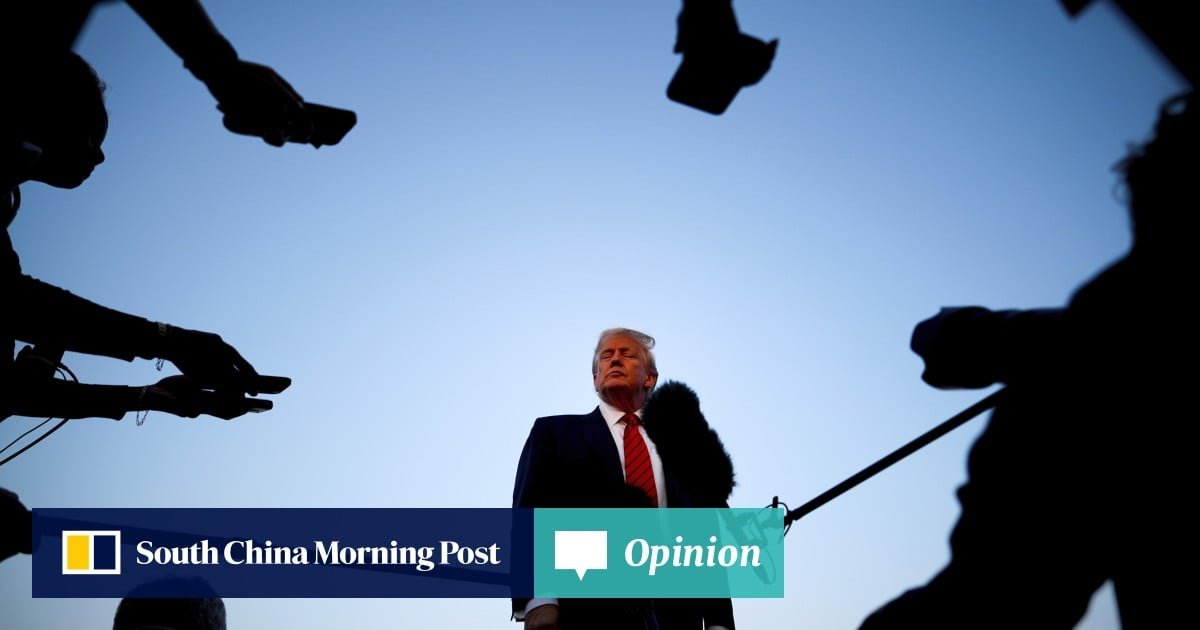
Before the Trump administration’s August 1 deadline, Japan, South Korea, and the European Union agreed to accept American tariffs of 15 percent on their exports. These agreements came with promises of future investments in key sectors. Despite facing economic challenges, the three regions were unable to form a united front against Trump’s trade policies, highlighting the complexities of multinational collaboration.
Japan, South Korea, and the European Union each have unique concerns and priorities when it comes to trade relations with the US. While they share some common interests, such as opposing protectionist measures, diverging economic strategies and geopolitical considerations complicate their ability to align their approaches effectively. This fragmentation weakened their collective bargaining power and limited their capacity to challenge the US’s trade demands.
Additionally, historical tensions and diplomatic conflicts among Japan, South Korea, and EU member states further hindered their attempts to come together against Trump’s trade agenda. Lingering disputes, such as the Japan-South Korea trade war over historical issues and an EU rift on defense spending, strained the potential for cohesive collaboration. Without a unified front, these regions struggled to present a cohesive counterproposal to US trade policies.
Moreover, the timing of the negotiations added another layer of complexity to the situation. With varying domestic political landscapes and economic dependencies on the US market, Japan, South Korea, and the EU faced internal pressures that influenced their decision-making processes. Political considerations, such as upcoming elections and public sentiment, further fractured their ability to coordinate a joint response to the US’s tariff threats.
The lack of a coordinated strategy among Japan, South Korea, and the EU ultimately allowed the US to exploit their divisions and negotiate separate agreements that favored American interests. While each region managed to secure certain concessions, the absence of a unified approach weakened their bargaining position and highlighted the challenges of forming a cohesive coalition against a dominant global player like the US.
In contrast, the Brics grouping, which includes countries like Brazil, Russia, India, China, and South Africa, has shown more solidarity in challenging US trade policies. Their shared opposition to American tariffs and coordinated efforts to diversify trade partnerships have presented a more unified front in negotiations, demonstrating the potential advantages of collaboration among a select group of countries with aligned interests.
Moving forward, Japan, South Korea, and the EU may need to reassess their strategies for engaging with the US on trade issues. By finding common ground, addressing internal conflicts, and prioritizing collective interests over individual gains, these regions could enhance their ability to confront unilateral trade measures and seek mutually beneficial trade agreements with the US and other global partners.





Deixe um comentário