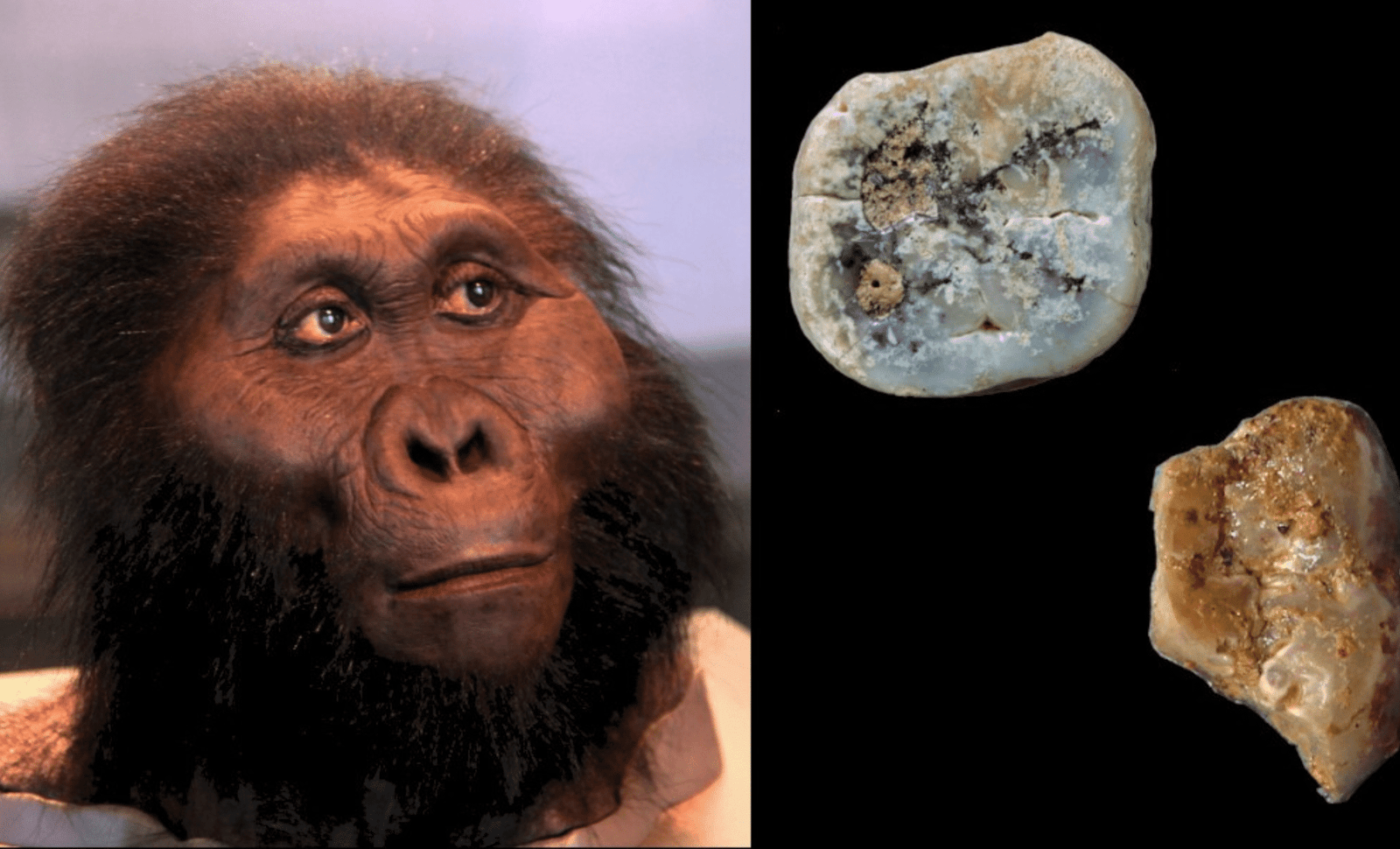
Recent discoveries are challenging the traditional belief that Paranthropus did not use tools. Fossils linked to ancient tools indicate that this hominin could have been crafting tools long before the emergence of Homo species. This finding, published in Science, is revolutionizing our understanding of human evolution.
The tool-making abilities of Paranthropus were previously overlooked, as it was believed that only Homo species engaged in this behavior. However, the discovery of stone tools associated with Paranthropus fossils is forcing scientists to reconsider their assumptions. These findings suggest that Paranthropus may have played a significant role in the development of tool-making skills in early hominins.
By expanding the timeline of tool use in human evolution, researchers are gaining new insights into the capabilities of Paranthropus. The ability to craft tools would have provided Paranthropus with a competitive advantage in survival and resource acquisition. This discovery underscores the complexity and diversity of early hominin adaptations.
The implications of this discovery extend beyond the realm of tool-making. It challenges our existing narratives of human evolution and forces us to reevaluate the behaviors and capacities of ancient hominin species. These findings may lead to a reexamination of the cognitive abilities and social structures of Paranthropus and Homo species.
In conclusion, the evidence pointing to Paranthropus as a tool-maker has significant ramifications for our understanding of human evolution. By redefining the capabilities of this ancient hominin, we are gaining a deeper appreciation for the diversity of skills present in early human ancestors. Further research into Paranthropus’ tool-making abilities will continue to shape our understanding of the complex evolutionary processes that led to the development of modern human behavior.





Deixe um comentário