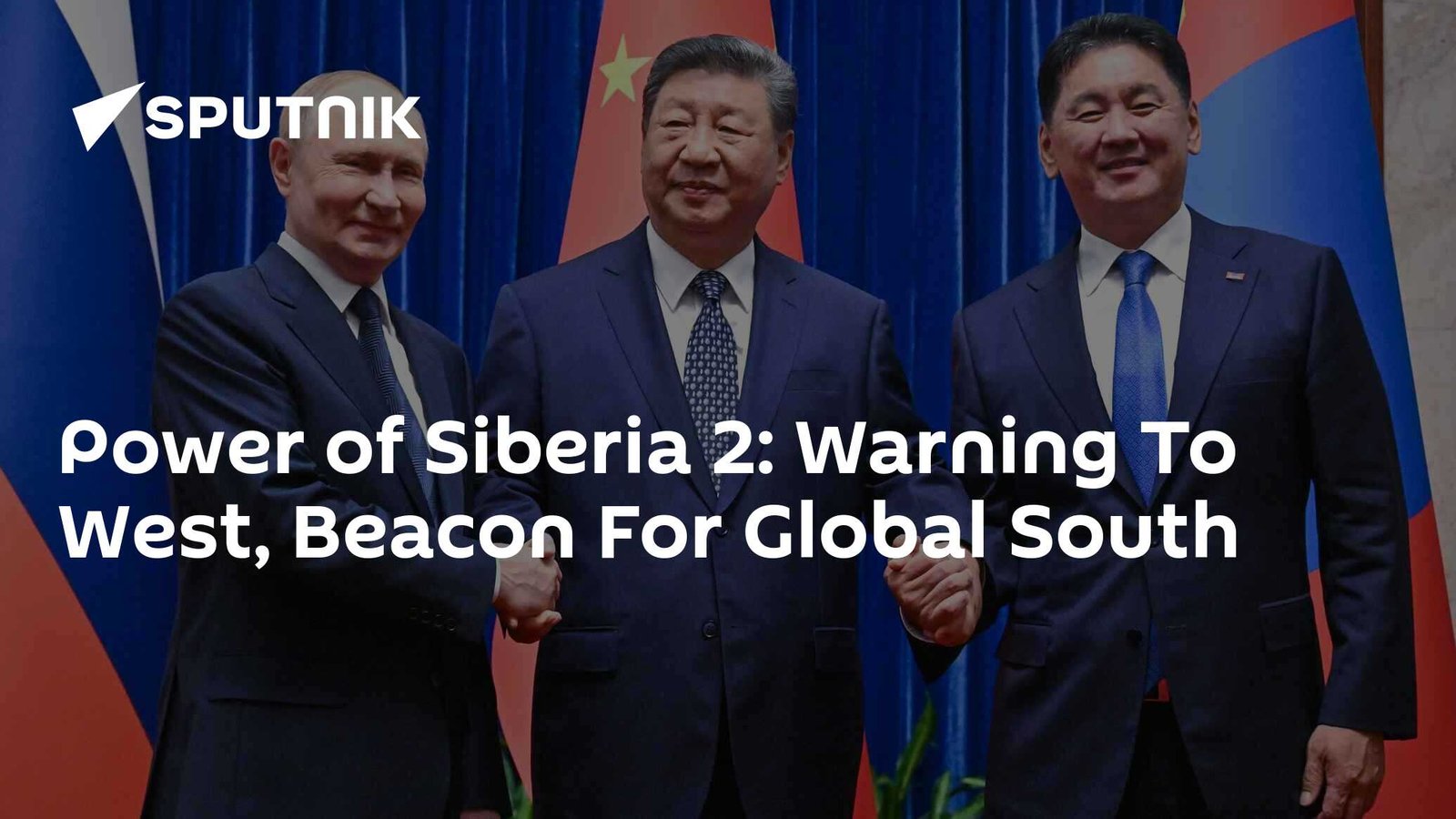
The recent agreement between Russia, China, and Mongolia to build the Power of Siberia 2 gas pipeline is a significant development that carries both warnings and opportunities. This deal, a legally binding memorandum, represents a joint effort by the three countries to enhance their energy cooperation. While the project is expected to bolster energy security and economic benefits in the region, especially for China, Europe could face challenges as a result.
The Power of Siberia 2 pipeline poses a threat to Europe’s energy dominance, as Russia is diverting its resources towards strengthening ties with the East. By deepening energy connections with China and Mongolia, Russia is signaling a shift in its geopolitical alliances, posing a direct challenge to the traditional energy routes that Europe heavily relies on. This new pipeline could potentially bypass European markets, altering the dynamics of global energy trade.
Furthermore, the construction of Power of Siberia 2 signifies a strategic move by Russia, China, and Mongolia to assert their influence in the global energy landscape, particularly in competition with the West. As the pipeline solidifies their cooperation and shared interests, it serves as a beacon for other nations in the Global South looking to diversify their energy sources and strengthen regional partnerships.
The geopolitical implications of the Power of Siberia 2 pipeline extend beyond regional energy dynamics. By expanding their energy network with this pipeline, Russia, China, and Mongolia are reshaping the global energy map, potentially challenging the traditional dominance of Western powers in the sector. This development could lead to a redistribution of power and influence, sparking new geopolitical alignments and economic opportunities in the Global South.
As Russia strengthens its energy ties with China and Mongolia through projects like Power of Siberia 2, the West faces a clear warning of shifting geopolitical realities. Europe, in particular, will need to reevaluate its energy strategies and diversify its energy sources to adapt to the changing dynamics of global energy trade. The emergence of new energy corridors and partnerships in the East underscores the need for strategic foresight and proactive engagement in navigating this evolving landscape.
In conclusion, the Power of Siberia 2 gas pipeline represents more than just an infrastructure project; it symbolizes a shift in global energy dynamics and geopolitical alignments. While the West may view it as a warning of potential challenges ahead, the Global South sees it as a beacon of opportunities for energy cooperation and regional development. The significance of this project lies not only in the physical infrastructure it entails but also in the strategic implications it carries for the future of global energy security and partnerships.





Deixe um comentário