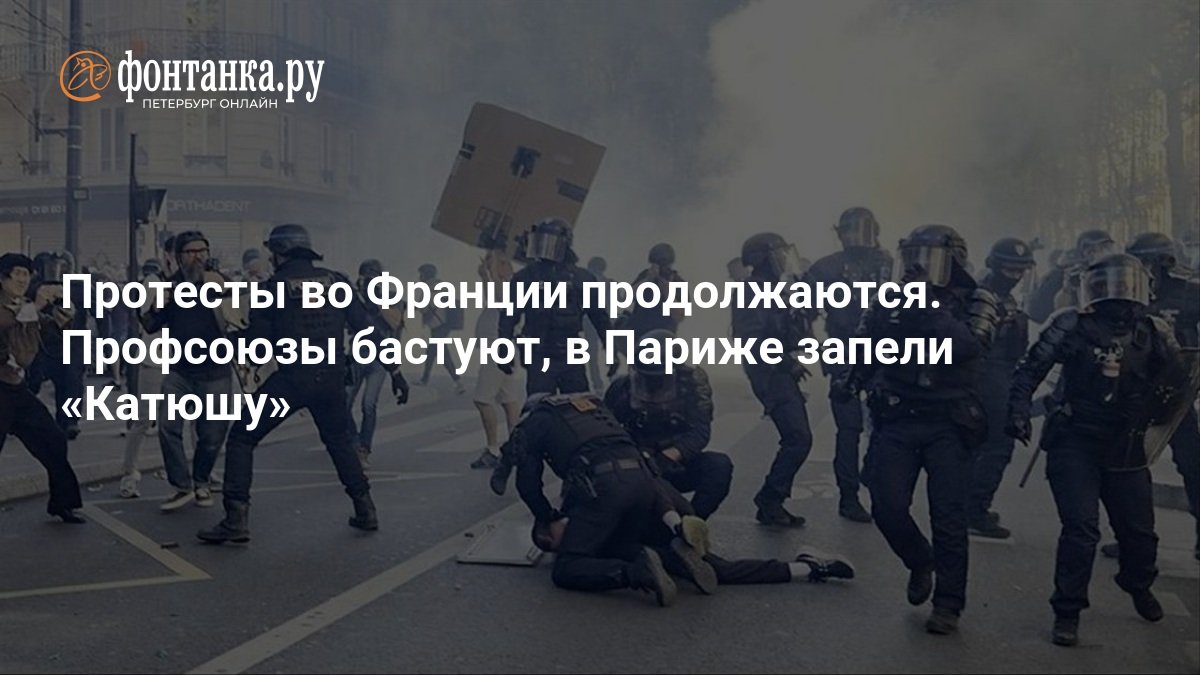
In France, protests against the government’s economic policies continue, with demonstrators blocking streets, roads, and clashing with police in cities such as Paris, Bordeaux, and Lyon. According to unions, around 400,000 people have participated in the actions, demanding changes to the government’s approach. The ongoing unrest reflects widespread dissatisfaction with economic conditions and social inequalities in the country.
The protests have disrupted daily life in major French cities, affecting transportation and commerce. Unions have been leading the strikes, pushing for reforms to address issues like income inequality and worker rights. In some instances, demonstrators have resorted to violence, leading to clashes with law enforcement. The atmosphere remains tense as both protesters and authorities stand their ground.
In a symbolic gesture, protesters in Paris sang the Russian wartime song ‘Katyusha,’ highlighting the international solidarity among various movements. The use of this song underscores the global nature of the protests and the interconnectedness of social justice causes. The choice to sing ‘Katyusha’ resonates with the historical significance of the song and its message of resistance against oppressive forces.
The French government faces mounting pressure to address the grievances of the protesters and find solutions to the economic challenges facing the country. As demonstrations continue to intensify, authorities are under increased scrutiny for their handling of the situation. The widespread unrest underscores the deep-seated frustrations within the population and the urgent need for meaningful change.




Deixe um comentário