Most fluorescence imaging techniques rely on dyes that emit blue or green light. While these agents are effective for cellular imaging, their usefulness is limited in tissue samples due to the presence of low levels of blue and green fluorescence emitted by the body, which can interfere with the imaging signal. However, red fluorescent dyes have emerged as a promising solution to this issue. Their longer wavelength allows for better tissue penetration and reduced background interference, resulting in clearer and sharper images. Researchers are focusing on improving the brightness and stability of these red dyes to optimize their performance in biomedical imaging applications.
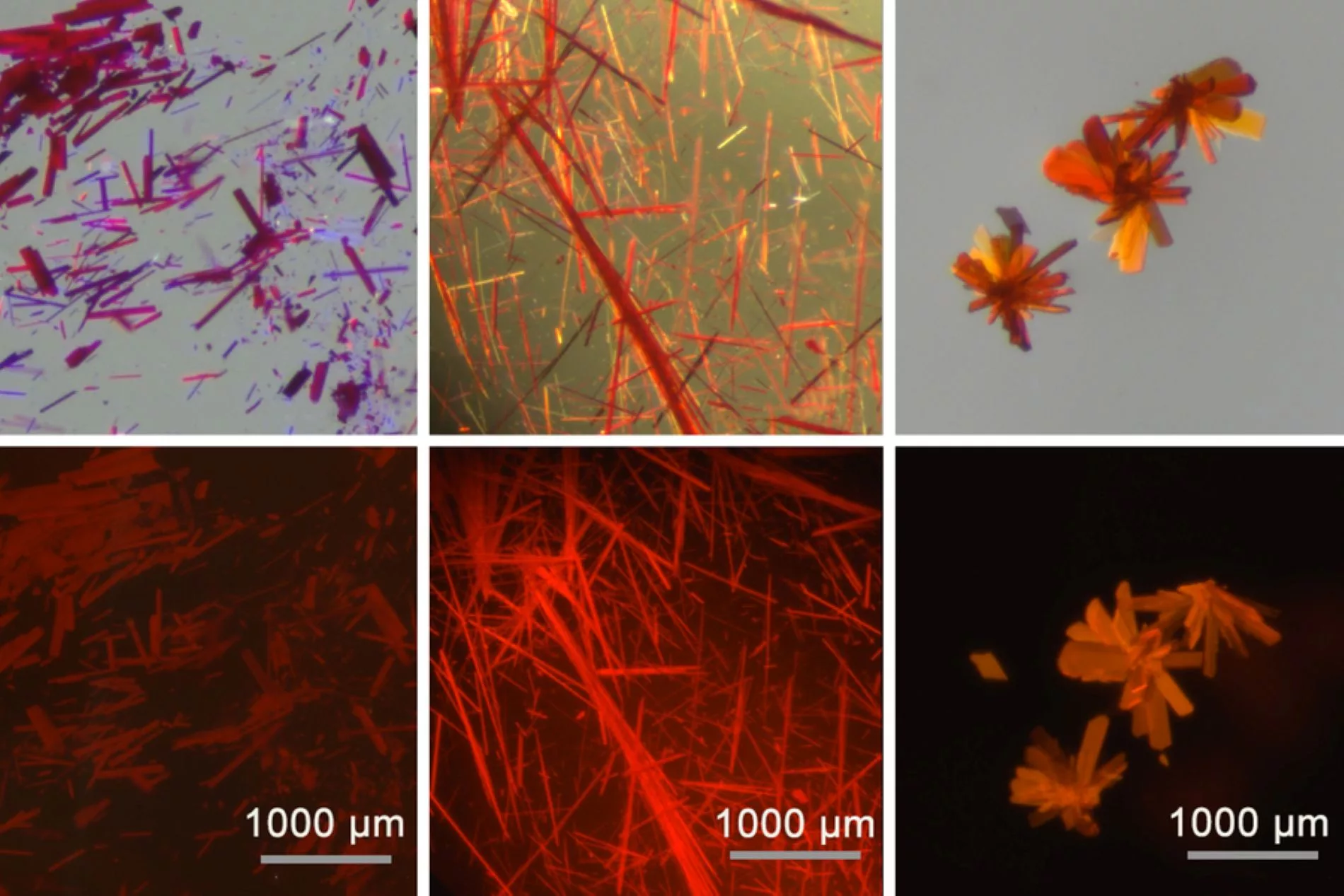
Red Fluorescent Dyes: Enhancing Biomedical Imaging

-

Flamengo and PSG have faced each other three times; check out their record
-

Indonesia Open Footgolf Tournament: Comedian Oki Rengga Admits Addiction, Wants to Become a Professional Athlete
-

Shameful Incident in Punjab! Landlord Rolls Tenant’s Daughter
-

Virgil van Dijk Expresses Desire for Mohamed Salah to Stay at Liverpool
Deixe um comentário