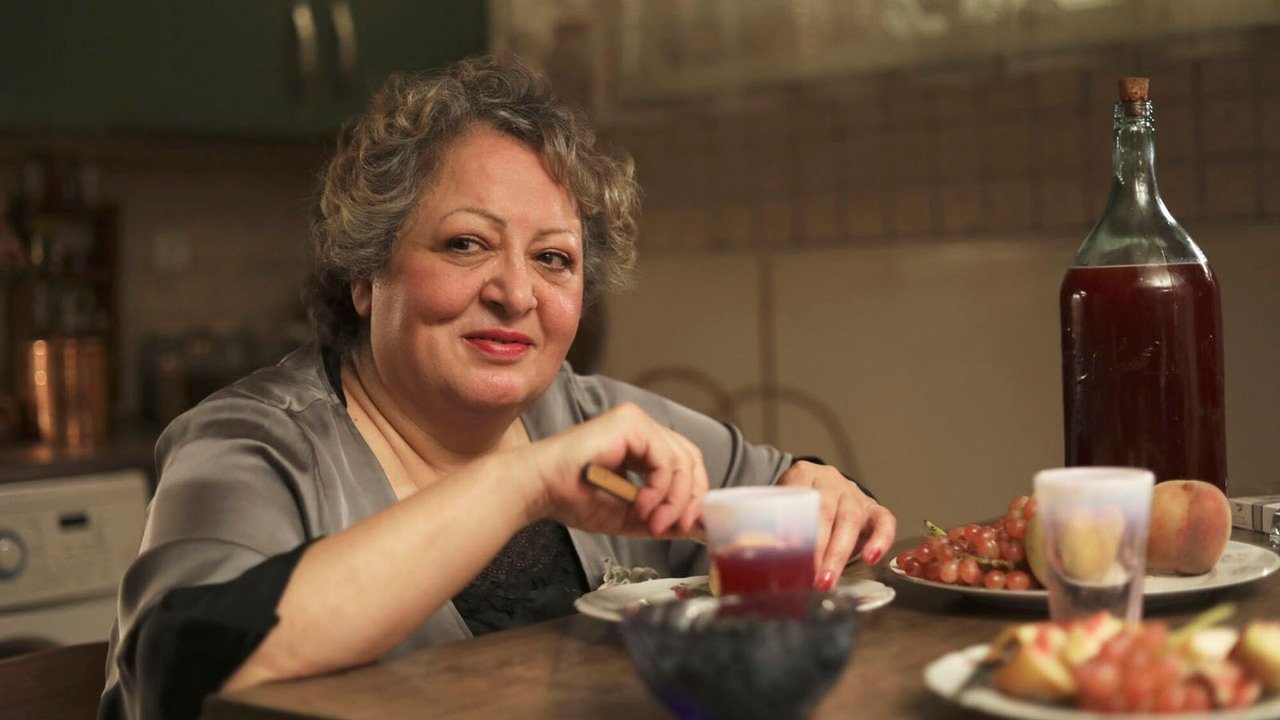
Here lies the paradoxical flaw of ‘My Favorite Dessert’: it sets up an entire critical discourse against the oppressive mechanisms of the Iranian government while, in an unfortunate impulse, it turns what had been a charming, harmless romantic comedy into a disjointed, contradictory film. Despite the talented performances by Lily Farhadpour and Esmail Mehrabi, the film fails to strike the right balance between its comedic and dramatic elements, leaving viewers confused and dissatisfied.
The direction and screenplay by Maryam Moghaddam and Behtash Sanaeeha show promise, with moments of insightful social commentary and strong character development. However, the critical message gets lost in a jumble of conflicting tones and narrative choices, diluting the impact of the film’s central themes. The blend of comedic moments with heavier political content feels awkward and forced, detracting from the overall viewing experience.
The film’s setting across multiple countries adds an interesting layer to the story, providing a glimpse into the complexities of cross-cultural relationships and the challenges faced by individuals in oppressive societies. Lily Farhadpour delivers a standout performance, capturing the essence of her character with depth and vulnerability, but even her talent cannot salvage the film’s disjointed narrative and lack of cohesive direction.
While ‘My Favorite Dessert’ attempts to shed light on important social issues through its satire and humor, the execution falls short of creating a cohesive and engaging cinematic experience. The film’s pacing feels uneven, lurching between moments of levity and seriousness without a clear through-line to tie it all together. Despite its ambitious goals, the overall impact of the film is muddled and unfocused.
In conclusion, ‘My Favorite Dessert’ struggles to find its footing as a coherent blend of comedy and drama, ultimately leaving audiences bewildered and underwhelmed. While there are glimpses of potential in the performances and thematic elements, the film fails to deliver a cohesive narrative that effectively conveys its intended message. With sharper direction and a more balanced approach to storytelling, the film could have been a thought-provoking exploration of love and politics in repressive societies, but instead, it falls short of its aspirations.



Deixe um comentário