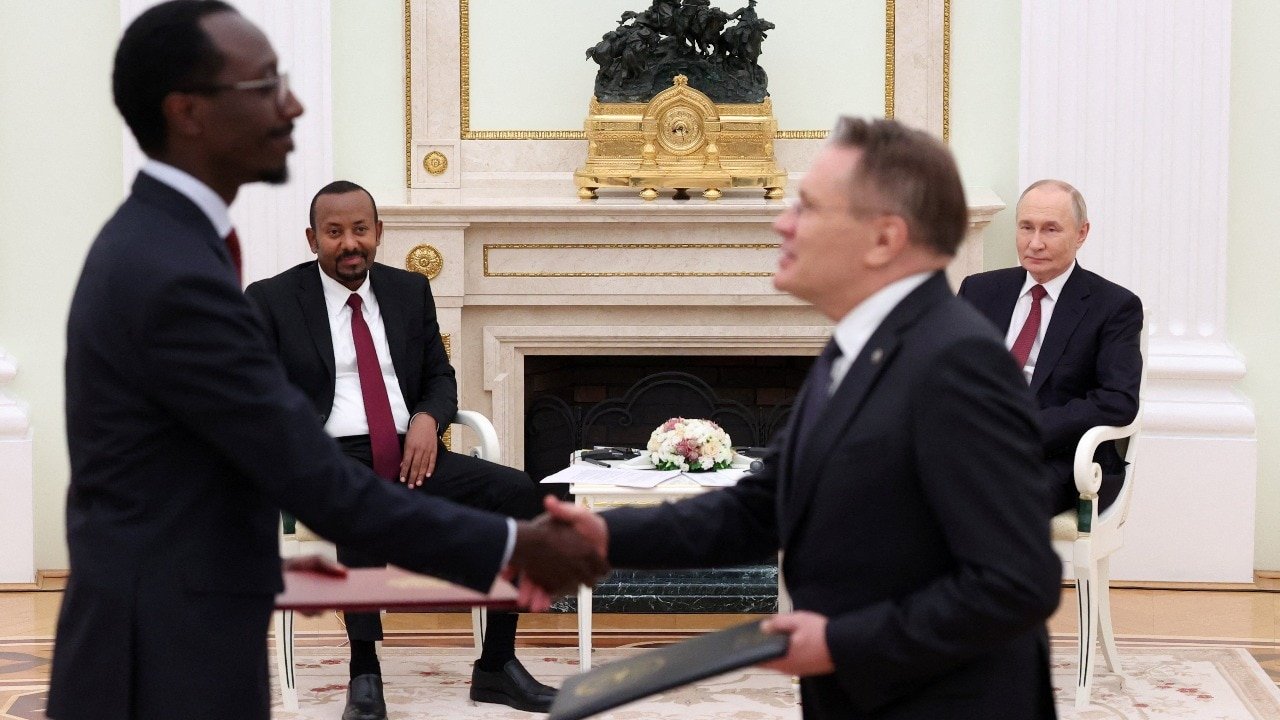
Russia and Ethiopia have signed a document on Thursday to start the planning and construction of a nuclear power plant in Ethiopia, according to Rosatom, the state-owned Russian nuclear corporation. The action plan outlines the steps to be taken to bring the project to fruition. This partnership signifies a significant development in Ethiopia’s energy sector, aiming to enhance its power generation capacity.
Russian experts will collaborate with Ethiopian stakeholders to ensure the successful implementation of the project, bringing their expertise in nuclear technology to the table. The signing of this document marks a crucial milestone in the cooperation between the two countries in the field of nuclear energy. It demonstrates Russia’s commitment to supporting Ethiopia in its quest for sustainable energy sources.
The agreement emphasizes the importance of adhering to international safety standards and regulations in the construction and operation of the nuclear power plant. This commitment to safety is paramount in such projects to mitigate any potential risks and ensure the protection of the environment and the population. Both Russia and Ethiopia are dedicated to upholding the highest standards of nuclear safety and security.
Furthermore, the action plan includes provisions for the training of Ethiopian personnel to operate and maintain the nuclear power plant effectively. This capacity-building aspect of the project aims to empower local professionals and enhance their skills in the field of nuclear energy. By transferring knowledge and expertise, Russia is investing in the long-term sustainability of Ethiopia’s nuclear energy program.
In conclusion, the signing of the action plan between Russia and Ethiopia is a significant step towards the realization of a nuclear power plant in Ethiopia. This collaboration paves the way for a mutually beneficial partnership that will contribute to Ethiopia’s energy security and economic development. With a focus on safety, expertise exchange, and capacity building, this project holds great promise for the future of nuclear energy in Ethiopia.





Deixe um comentário