Shares of Samsung Electronics and SK Hynix fell on Monday following the Trump administration’s decision to tighten regulations on the export of critical equipment to their Chinese facilities. While both companies have memory chip plants in South Korea, a significant portion of their global production comes from China. The unexpected move sent shockwaves through the tech industry, impacting the stocks of the two largest memory chip manufacturers in the world.
The US government’s decision to revoke permits for American companies to supply chips and other components to China adds to the existing challenges faced by Samsung and SK Hynix. As key players in the global semiconductor market, any disruptions in their supply chain can have far-reaching consequences. The restrictions on exports to China are expected to have a direct impact on the operations and revenue of both companies, as their Chinese facilities play a crucial role in meeting the global demand for memory chips.
In response to the new regulations, Samsung and SK Hynix have been forced to reassess their manufacturing and distribution strategies in China. The uncertainty surrounding the situation has led to a decrease in investor confidence, resulting in the decline of their stock prices. The US government’s actions have not only affected the financial performance of the two Korean companies but also raised concerns about the broader implications for the semiconductor industry.
Despite the challenges posed by the restrictions, Samsung and SK Hynix remain committed to adapting to the fast-changing dynamics of the global semiconductor market. Both companies are exploring alternative supply chain options and seeking ways to mitigate the impact of the US policy changes. The developments in the US-China trade relations continue to shape the landscape of the semiconductor industry, with Samsung and SK Hynix at the forefront of navigating the complex geopolitical environment.
The repercussions of the US government’s decision on Samsung and SK Hynix underscore the interconnected nature of the global semiconductor supply chain. As South Korea’s leading chipmakers, their ability to navigate regulatory challenges and geopolitical tensions will play a crucial role in shaping the future of the semiconductor industry. The impact of the US restrictions on chip shipments to China serves as a stark reminder of the risks and uncertainties faced by companies operating in the highly competitive and rapidly evolving semiconductor market.
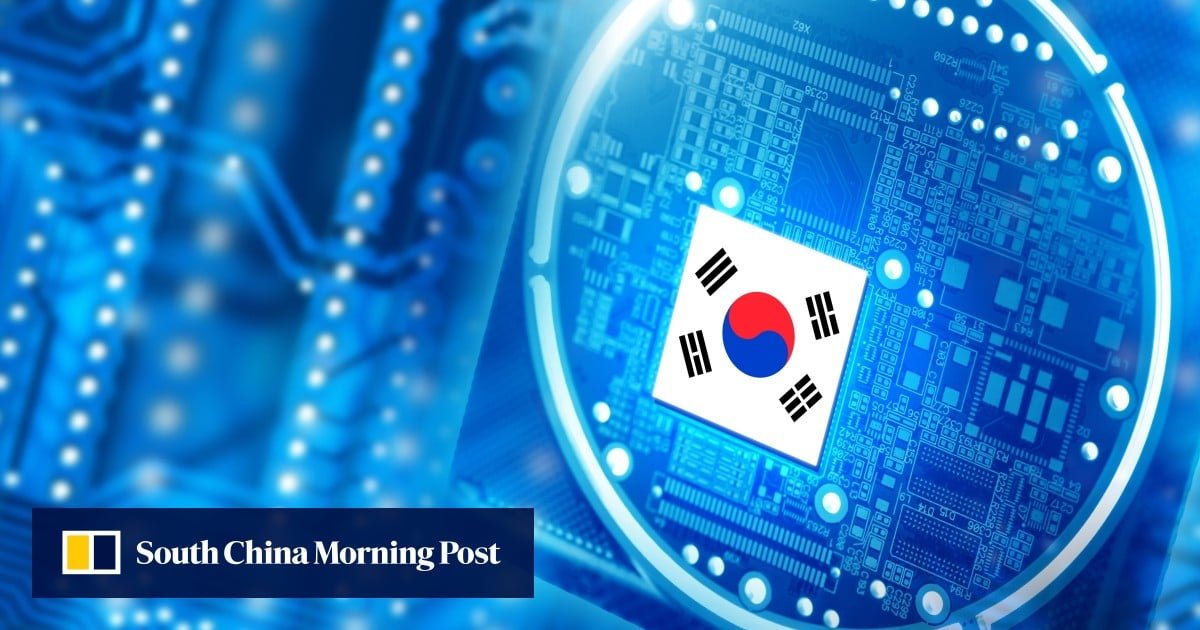
Samsung and SK Hynix Stocks Drop After US Revokes China Chip Permits

-

Flamengo and PSG have faced each other three times; check out their record
-

Indonesia Open Footgolf Tournament: Comedian Oki Rengga Admits Addiction, Wants to Become a Professional Athlete
-

Shameful Incident in Punjab! Landlord Rolls Tenant’s Daughter
-

Virgil van Dijk Expresses Desire for Mohamed Salah to Stay at Liverpool
Deixe um comentário