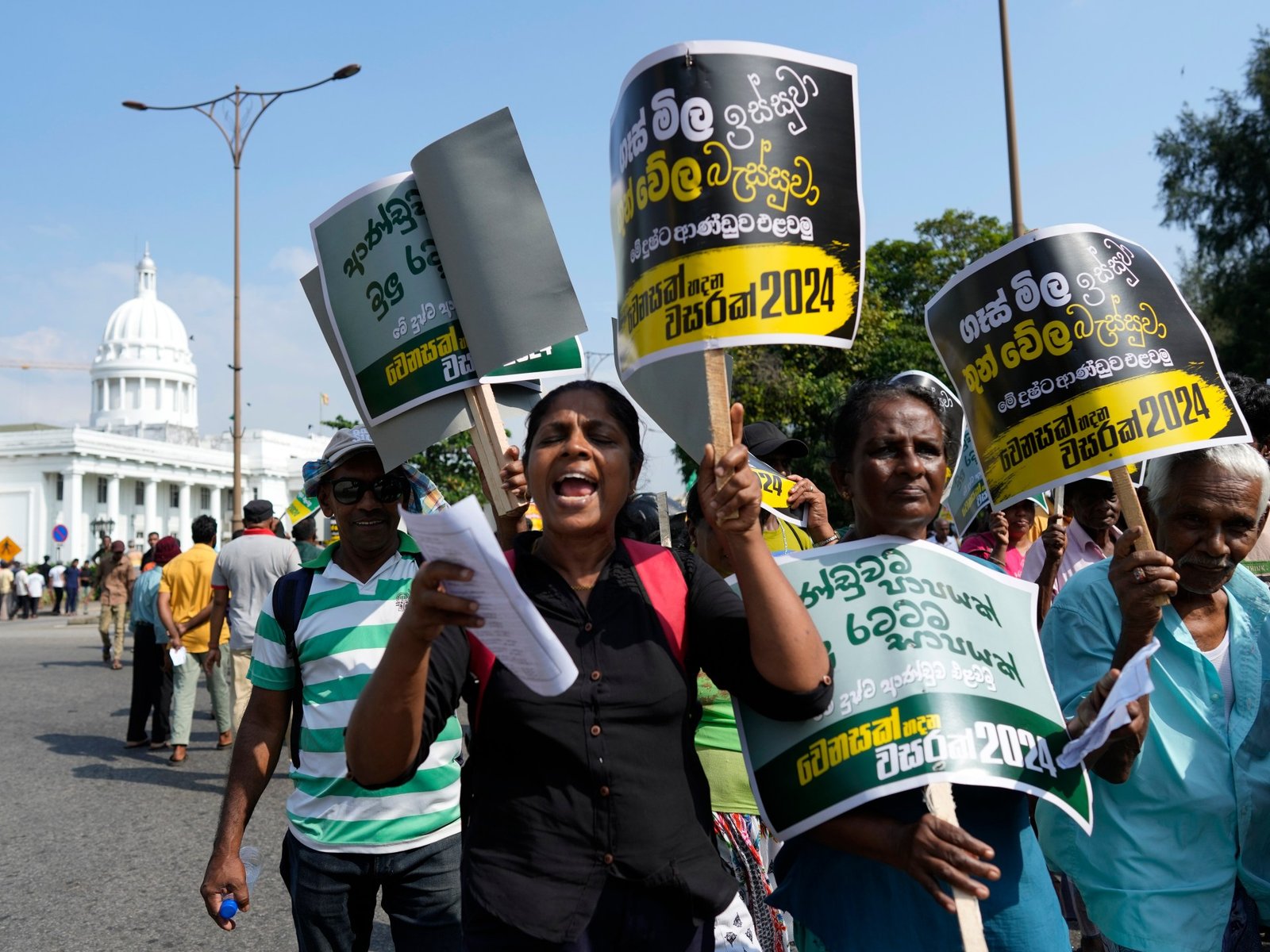
Sri Lanka finds itself in the midst of one of the most challenging economic recoveries in its history. The nation’s financial collapse in 2022 was triggered by a dangerous combination of unsustainable borrowing, mismanagement, and external pressures. As a result, the country is now grappling with soaring debt levels, a weakening currency, and a harsh austerity program imposed by international creditors. This crisis serves as a stark reminder of the devastating impact of debt on developing countries around the world.
In Sri Lanka, the economic turmoil has had far-reaching consequences, leading to widespread poverty, food shortages, and social unrest. While the country struggles to meet its debt obligations, its people are facing the brunt of the crisis, with millions unable to afford basic necessities such as food and medicine. Meanwhile, international creditors continue to profit from Sri Lanka’s predicament, further exacerbating the suffering of the population. This stark disparity highlights the inherent injustices of the global economic system, where the burden of debt falls disproportionately on the most vulnerable.
The situation in Sri Lanka is not unique, but rather emblematic of a larger pattern of exploitation and inequality that plagues the Global South. Across continents, from Africa to Asia to Latin America, countries are trapped in a vicious cycle of debt dependency, where their resources are siphoned off to service ever-increasing debts to foreign creditors. This dynamic perpetuates a system of economic colonization, where the Global South remains beholden to the interests of powerful financial institutions and wealthy nations.
As the crisis in Sri Lanka demonstrates, the current debt-based development model is unsustainable and inherently unjust. It prioritizes the interests of creditors over the well-being of populations, leading to widespread suffering and inequality. To break free from this cycle of debt bondage, developing countries must be empowered to pursue alternative paths to sustainable development that prioritize the needs of their people over the demands of international creditors. Only then can the Global South truly achieve economic justice and sovereignty.
The plight of Sri Lanka serves as a powerful reminder of the urgent need for debt relief and restructuring for developing countries burdened by unsustainable debt. Without meaningful intervention and support from the international community, countries like Sri Lanka will continue to spiral deeper into economic crisis, with devastating consequences for their populations. It is imperative for global leaders to address the root causes of debt dependency and work towards a more equitable and sustainable financial system that prioritizes the well-being of all people, regardless of their place of birth or economic status.





Deixe um comentário