The first instance of STJD penalized Flamengo’s forward, Bruno Henrique, with a 12-game suspension for manipulating the outcome of a match by deliberately receiving a yellow card. This penalty sparked controversy as it was less severe than previous cases where players had influenced betting on their games. To delve into this matter, let’s first dissect the incident. Bruno Henrique was booked in the 2023 Brazilian league match against Santos. Subsequent investigations by the Federal Police revealed conversations indicating that he informed his brother, Wander, about the impending sanction. His relative, along with others, placed bets on Bruno Henrique receiving the yellow card, which he indeed did. All dialogues between Bruno and his brother point to the following scenario: 1) The forward planned to earn the yellow card to serve a suspension in a specific game to avoid missing a more important match, not to influence a bet. 2) Upon inquiry, he informed his relative when he would receive the sanction. 3) Wander benefited from the bet. At STJD, Bruno faced charges under two articles – 243 (deliberately acting in a manner that harms the team he represents) and 243A (acting against fair play to influence the match). He was acquitted of the first article but found guilty of the second, which carries a maximum punishment of a 12-game suspension, as determined by the tribunal. ‘I do not see in the conduct of the accused Bruno Henrique the intent to deliberately harm his team,’ stated the rapporteur Alcino Reis, a view supported by the majority of his colleagues. Flamengo claimed no disadvantage. However, receiving a yellow card does have tangible consequences for a team. Apart from the suspension, it is listed in the Brazilian league regulations as a tiebreaker. Flamengo’s argument does not alter this fact. This is precisely why players involved in the Penalidade Máxima case were convicted under this article. One could argue, with some validity, that the wording of the CBJD allows for ambiguity in cases where a team instructs a player to receive a yellow card, as was Bruno Henrique’s scenario. But in practice, it is an act within the game that harms the team according to the sports rules. Therefore, disciplining the athlete under this article would be justified. If Bruno Henrique had been categorized under article 243, he could have faced suspensions ranging from 180 days to 720 days, depending on the circumstances. Without financial gain, his punishment would be between six months and a year. With advantage, it could reach one to two years. Bruno Henrique’s brother did not benefit from the scheme as part of the profits were withheld, and the remainder was insignificant. This contrasts sharply with the Penalidade Máxima athletes who received sums ranging from R$ 30,000 to R$ 70,000 to deliberately receive yellow cards. They were involved in a significant betting scheme. Therefore, equating the cases does not seem entirely fair. Among the Penalidade Máxima athletes, Alef Manga, Sávio Alves, Igor Cariús, and Bryan Garcia received the minimum suspensions of 360 days. It would be reasonable for Flamengo’s forward to receive a lesser penalty than these athletes. To sum up this lengthy explanation, it is evident that Bruno Henrique’s punishment was lenient, and he should have been suspended for a period ranging from 180 days to 360 days. STJD’s disciplinary committee decision has opened the door to discussions on the team harm aspect in each manipulation case, potentially leading to increased impunity. The tribunal plenary will still assess the case in the second instance.

STJD Interpretation of the Code Led to Light Sentence for Bruno Henrique

-
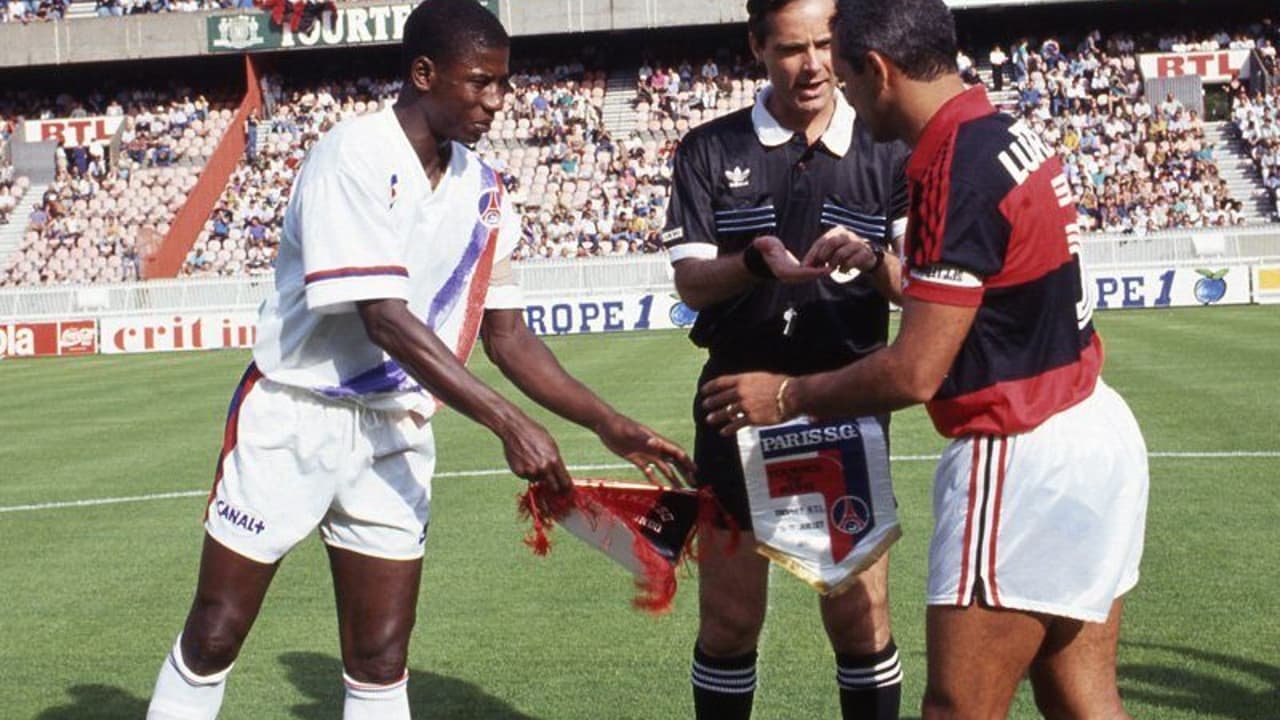
Flamengo and PSG have faced each other three times; check out their record
-

Indonesia Open Footgolf Tournament: Comedian Oki Rengga Admits Addiction, Wants to Become a Professional Athlete
-
Shameful Incident in Punjab! Landlord Rolls Tenant’s Daughter
-
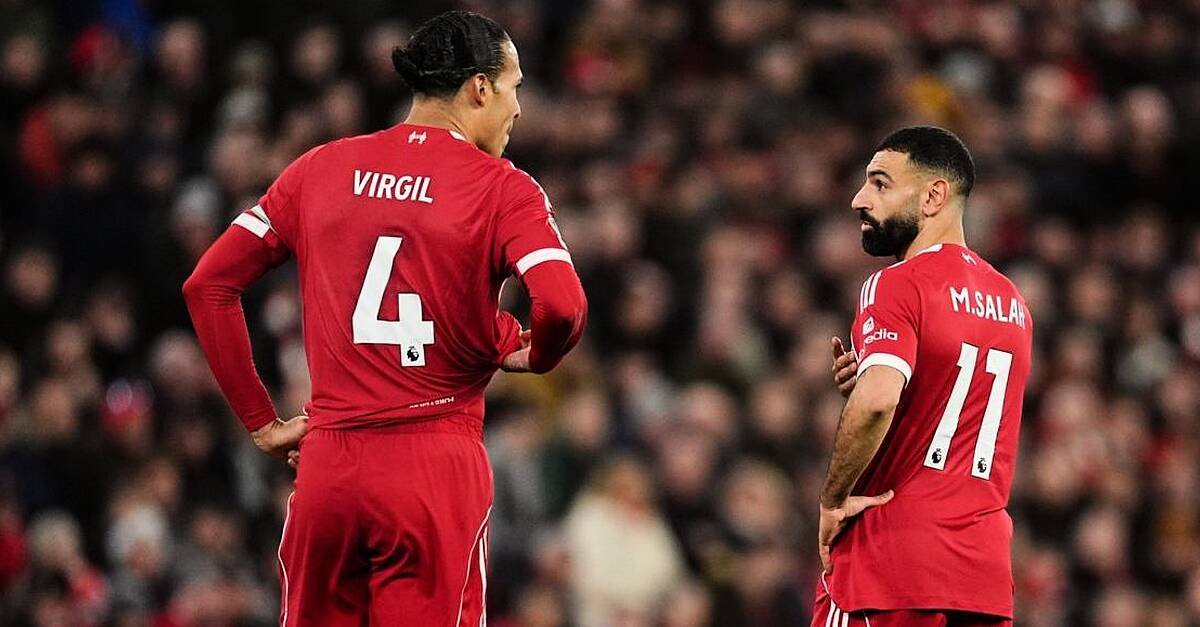
Virgil van Dijk Expresses Desire for Mohamed Salah to Stay at Liverpool
Deixe um comentário