What’s unfolding now is a real test of whether Israel and Egypt can run a joint energy project under political pressure. The $35-billion Leviathan-to-Egypt gas deal looked settled six months ago. This week, the pipeline, which would move that gas across Sinai, finally got technical clearance. On paper, that should have been the green light. In practice, everything else is stuck, and there are three pressure points: Egypt’s ability to pay, Israel’s internal gridlock, and Washington’s shift in posture. Let’s start with Egypt. Cairo’s finances are breaking again. Foreign-currency reserves are thin, LNG exports have collapsed since last year, and arrears to international operators are piling up. The government is still short on feedstock for its own power plants. It can’t promise timely payments for new Israeli gas without hard-currency guarantees. Even IMF and Gulf injections are being absorbed by domestic subsidy needs. Until Egypt stabilizes, Chevron and NewMed won’t commit real capital to Phase 2 of Leviathan.
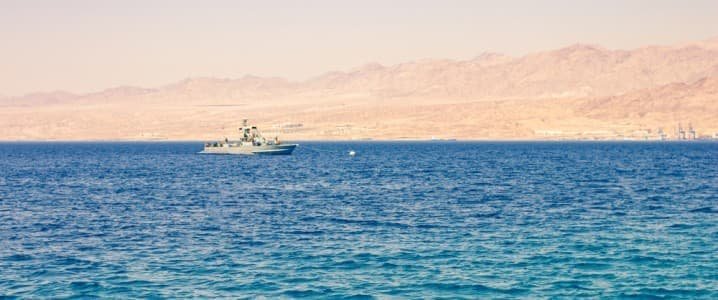
The $35 Billion Gas Deal Paused by Politics

-

Flamengo and PSG have faced each other three times; check out their record
-

Indonesia Open Footgolf Tournament: Comedian Oki Rengga Admits Addiction, Wants to Become a Professional Athlete
-
Shameful Incident in Punjab! Landlord Rolls Tenant’s Daughter
-
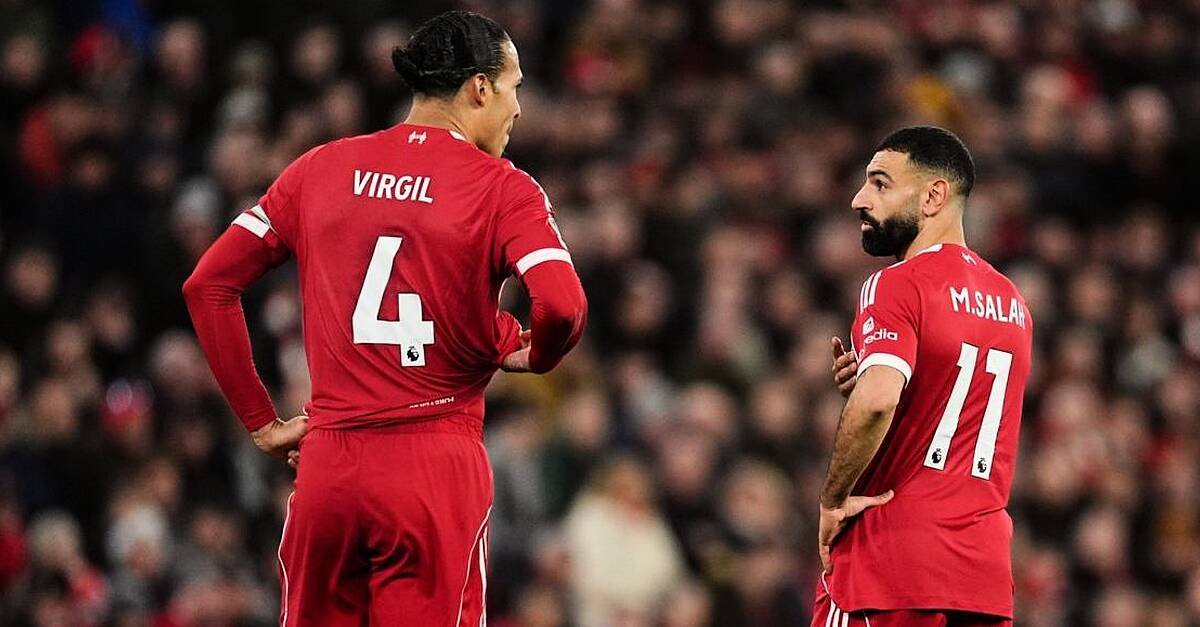
Virgil van Dijk Expresses Desire for Mohamed Salah to Stay at Liverpool
Deixe um comentário