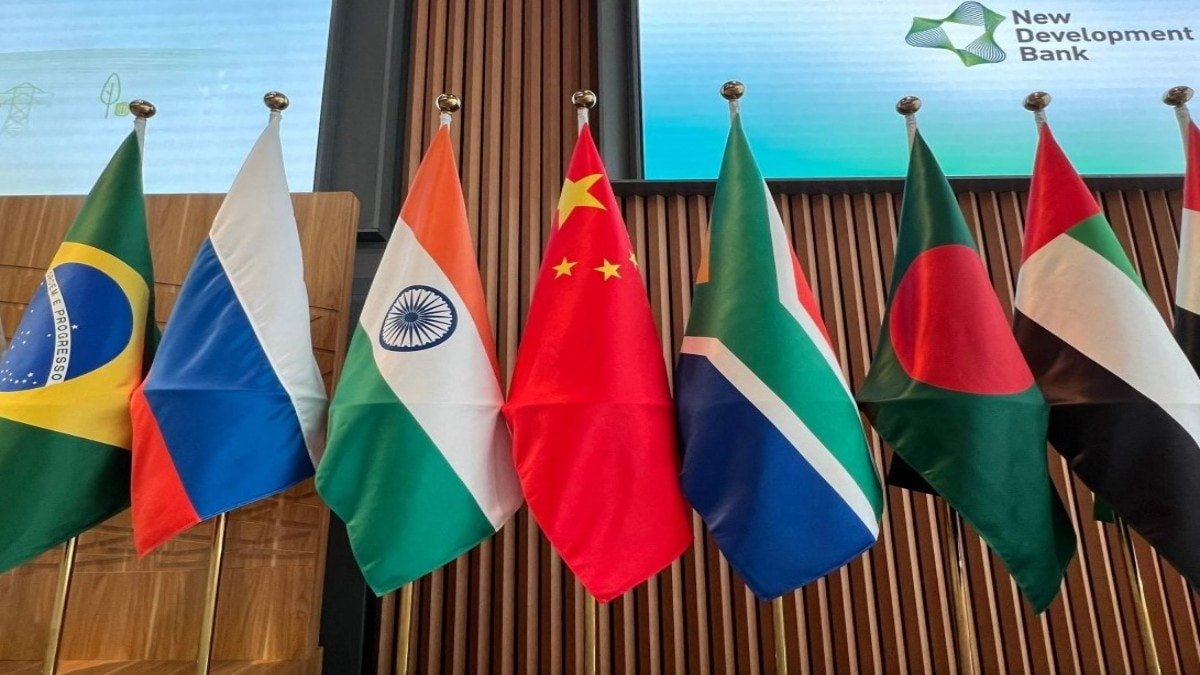
As the global landscape shifts towards multipolarity, emerging economies like those from the Global South are challenging established power structures. India, in particular, sees its engagement with new Brics members as more than just forming alliances. It is an opportunity to reshape global governance norms and institutions in a world heavily influenced by the United States under President Trump.
The Brics bloc, consisting of Brazil, Russia, India, China, and South Africa, presents a counterbalance to Western dominance in global affairs. With the rise of protectionism and isolationism in the West, the Brics countries are advocating for multilateralism and cooperation in areas such as trade, finance, and security. India’s participation in this group is strategic, as it aims to leverage the collective strength of these nations to promote a more inclusive international order.
India’s approach to engaging with new Brics members goes beyond economic considerations. It is also a means to assert its influence in shaping global narratives and policies. By collaborating with countries like Brazil and South Africa, India can amplify its voice on issues such as climate change, terrorism, and reform of international institutions like the United Nations and the World Bank.
In a Trumpian world, where unilateralism and protectionist policies are gaining ground, the Brics paradigm offers an alternative vision of international relations based on mutual respect and cooperation. India’s diplomatic efforts within the Brics framework reflect its commitment to promoting a rules-based order that addresses the concerns of developing nations. By championing the principles of equality and sovereignty, India is positioning itself as a key player in the ongoing debate on the future of global governance.
The dynamics within the Brics grouping are evolving, with new members like South Africa and potentially other countries joining the fold. This expansion presents both opportunities and challenges for India, as it navigates a complex geopolitical landscape. By actively engaging with these new partners, India seeks to strengthen its position as a leading voice for the Global South and advocate for reforms that reflect the changing realities of the international system.
As India continues to deepen its ties with the Brics bloc, the focus shifts towards concrete actions and initiatives that can enhance cooperation and solidarity among member states. From infrastructure development projects to joint efforts in areas such as cybersecurity and healthcare, the Brics countries are exploring new avenues for collaboration that can benefit not only their own populations but also contribute to global peace and stability.
In conclusion, the Brics paradigm offers India a platform to advance its strategic interests and promote a more balanced distribution of power in global governance. By forging alliances with like-minded nations and engaging in collective decision-making processes, India can play a crucial role in shaping the future of international relations. As the world moves towards multipolarity, India’s active participation in the Brics forum underscores its commitment to creating a more inclusive and equitable world order.





Deixe um comentário