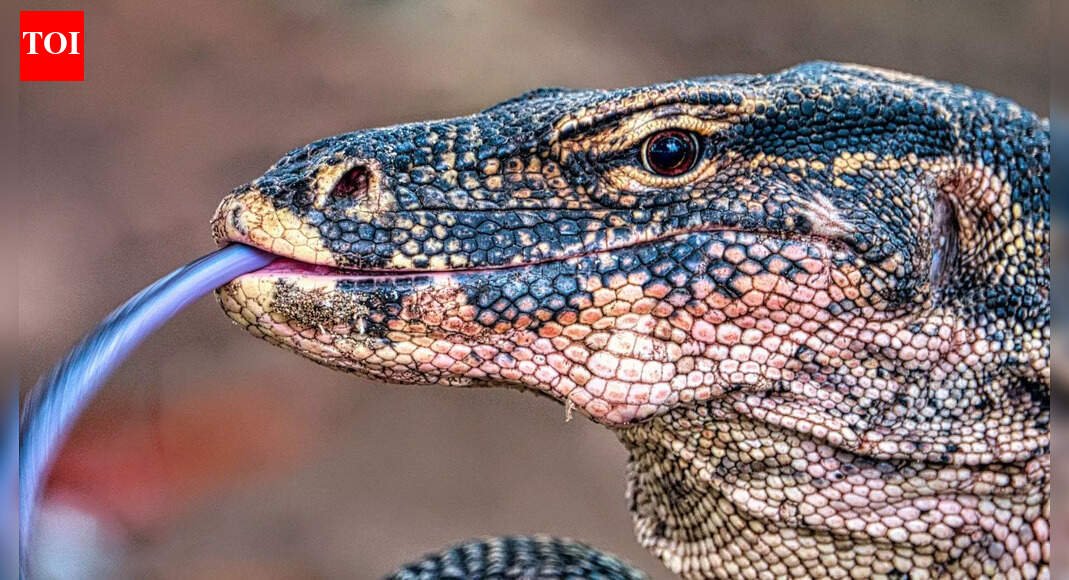
The Komodo dragon is renowned worldwide as the largest living lizard, captivating people with its impressive size and formidable hunting prowess. What sets this creature apart is its exclusive existence on select islands in Indonesia, elevating its status as a rare and critical species in the ecosystem. With a robust physique, sharp fangs, and cunning hunting strategies, the Komodo dragon reigns as a dominant predator in its habitat, drawing attention from scientists, tourists, and wildlife enthusiasts seeking to unravel its way of life, survival tactics, and hunting methods.
Despite its intimidating appearance, the Komodo dragon serves as a fascinating subject for understanding natural processes. This article delves into its habitat, hunting behaviors, diet, and the significant role of safeguarding this species for future generations. Disclaimer: Information presented in this article is sourced from online references and ecological research findings, subject to variations across species and regions.
Komodo dragons typically lead solitary lives, congregating only during mating seasons or abundance of prey. Female dragons lay eggs, carefully concealing them in soil or vegetative cover for protection, with hatching taking several months. Offspring face imminent threats from predators, including adult dragons, necessitating vigilance in their early stages of life.
Remarkably, female Komodo dragons have displayed the ability to reproduce asexually, as evidenced by an incident at Chester Zoo in 2006 where a female dragon successfully produced offspring without male involvement. The resulting hatchlings thrived normally, showcasing parthenogenesis as a survival mechanism for sustaining the species. Even formidable predators like the Komodo dragon exhibit self-reliance in reproduction when circumstances demand.





Deixe um comentário