One of the places where jackfruits have been successfully cultivated is the La Mayora estate in Algarrobo, belonging to the Institute of Subtropical and Mediterranean Horticulture (IHSM) of the Higher Council for Scientific Research (CSIC) and the University of Malaga (UMA). ‘This autumn we had some fruits at IHSM La Mayora Experimental Station that weigh around 15 kilos,’ explained the scientific center in a recent social media post. ‘This crop, very popular in countries like India, Bangladesh, or Thailand, has an intense flavor and can be consumed either green (used as a meat substitute) or ripe for various preparations,’ they added. The ‘Jack Fruit’ is produced by the jackfruit tree, also known as jack, yaca, nangka, or panapén. It belongs to the mulberry family and is native to Indonesia, which hosts the greatest genetic diversity among its islands. It is also found in South and Southeast Asia. This tree produces the national fruit of Bangladesh, as well as Indonesia. It bears a striking resemblance to the ‘Artocarpus altilis’ (breadfruit) tree, native to Indonesia and Melanesia. The fruit is yellow, similar to mango, with a slightly acidic and quite sweet juice, tasting like a mix of mango and orange. However, weighing an average of 20 kilos per piece, its sale can be challenging due to the hefty weight, making its price high. In the European markets, it can cost up to ten euros per kilo. The main markets for large Dutch exporters are Southern Europe and the Scandinavian countries. The tree can reach heights of 20 meters, with a dense crown and a trunk that can measure up to four meters. The fruit itself, the largest in the world, is yellow inside, resembling mango. Its slightly acidic and deeply sweet juice has a flavor reminiscent of a blend of mango and orange. Its appearance, however, is not attractive, featuring a rough green skin with protuberances that turn brown as it ripens. Inside, it resembles a giant cherimoya, filled with segments, each containing a seed that needs to be manually extracted. Due to its high latex content, it is sticky and challenging to cut, as the latex interferes with the cutting process. In some parts of the world, the latex is used to make syrups. The seeds can be roasted and consumed like chestnuts. Despite its unappealing odor when ripe, the taste as a dessert is enjoyable. In Bangladesh, the sun-dried seeds are fried and eaten. The fruit tree cannot withstand drought and thrives in low-lying humid regions. Jackfruit trees bear fruit throughout the year, with a peak season from February to July. The fruits ripen three to eight months after flowering, starting as yellow-brown, then turning green before maturing into a brown color. If stored in the refrigerator, they can last up to six weeks. On another note, record-breaking mangos are still being harvested in Axarquía, as the region concludes a historic season with over 35,000 tons, triple the amount from 2024. Recently, a mango weighing over three kilos was harvested in Triana, as shared on the Triana Heart of Axarquía Facebook page. The mango was grown by a local named Ricardo. ‘Attention, lovers of the extraordinary! From Ricardo’s farm in Triana Heart of Axarquía, we have received a surprising piece of news: a mango weighing over 3 kilos!’ they detailed in the post. ‘Yes, you read that right… over three kilos of pure tropical sweetness! A specimen worthy of being featured in the Guinness World Records, proving once again that in Triana, anything can happen, even giant mangos. For now, we proudly declare that the world’s largest mango is in Triana. Congratulations, Ricardo, for this natural gem!’ they added.
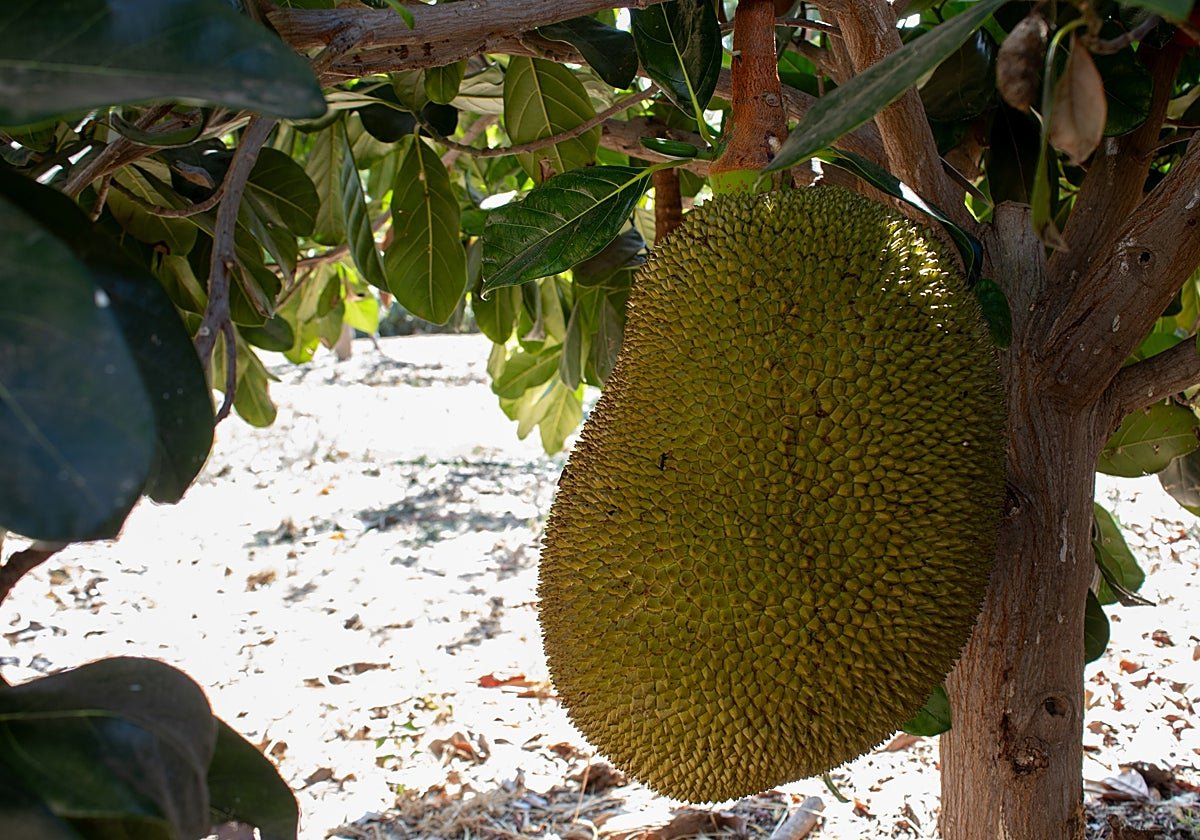
The Monstrous ‘Jack Fruit’: a Tropical Fruit that can weigh up to 40 kilos and is cultivated in Axarquía

-

Flamengo and PSG have faced each other three times; check out their record
-

Indonesia Open Footgolf Tournament: Comedian Oki Rengga Admits Addiction, Wants to Become a Professional Athlete
-

Shameful Incident in Punjab! Landlord Rolls Tenant’s Daughter
-

Virgil van Dijk Expresses Desire for Mohamed Salah to Stay at Liverpool
Deixe um comentário