Last week, one of the most significant geopolitical shifts of 2025 occurred, almost unnoticed by Western media: The BRICS bloc – Brazil, Russia, India, China, and South Africa – officially launched a new global payment system that allows over 180 countries to conduct trade in Chinese currency and completely bypass the US dollar. There were no breaking news alerts, no crisis briefings from think tanks, no primetime roundtable discussions. Yet, the implications of this development could have long-lasting effects that surpass many of the economic headlines currently dominating Western news. Much of the Western discussion about China continues to revolve around familiar narratives. The declining interest of youth in factory jobs and population decline are driving Chinese factories toward automation. Other issues like youth unemployment or population decline in China are undoubtedly relevant, though they may not seem exceptional compared to other East Asian countries. However, they often conceal a deeper, globally significant trend: China has spent the last decade building the most extensive non-dollar financial infrastructure worldwide. What was once dismissed as a peripheral experiment has quietly evolved into an extensive, fully functional global system. This has surprised many observers, as China is led not by trained lawyers and bankers, as is often the case in the West, but by engineers. At the heart of this transformation is CIPS, the Cross-Border Interbank Payment System, China’s alternative to SWIFT. Historically viewed as a technical curiosity, CIPS now connects thousands of financial institutions on almost every continent and processes trillions of Renminbi (RMB) annually. With BRICS adopting CIPS as the backbone of the new payment network, an originally China-centric trading system has become the architecture of a parallel global financial system. One that can operate independently of US control. Countries in Africa, Latin America, the Middle East, and Southeast Asia are increasingly seeking alternatives to a dollar-dominated order that is vulnerable to sanctions and political pressure. Forecasts from leading economic institutions reflect this dynamic: BRICS+ could account for nearly half of the global GDP by mid-century, while the G7’s share could fall below 20 percent. Even France, a founding member of the G7, has floated the idea of inviting China to the 2026 summit – a thought that would have been unthinkable a decade ago. Demand for RMB-denominated products has surged on the financial level. More countries are borrowing, lending, and conducting trade in RMB than ever before. Critics argued for years that the RMB could not become a true global currency without full convertibility. However, the data now tells a different story. Chinese banks have significantly expanded their foreign RMB loans, deposits, and bond holdings and quadrupled their offshore RMB business in a few years. Developing countries are increasingly turning to RMB financing to shield themselves from dollar volatility and US monetary policy. This shift is evident in concrete decisions: Kenya, Angola, and Ethiopia have converted large loans from US dollars to RMB; Indonesia and Slovenia have issued RMB-denominated bonds. The Kazakh Development Bank recently raised billions of RMB on offshore markets at competitive rates. China and South Korea have renewed a massive currency swap agreement that enables bilateral trade to completely bypass the dollar. These financial flows indicate a comprehensive restructuring, particularly in Asia. Following a wave of US diplomatic activities in Southeast Asia, ASEAN quietly upgraded its free trade agreement with China. A clear sign of the deep economic integration of the region with Beijing. With a total population of 670 million and an economy of over $10 trillion in purchasing power parity (PPP), ASEAN is among the top 5 to 6 largest economic regions globally and has been China’s largest trading partner for several years, with bilateral trade exceeding $770 billion. Shortly after signing the agreement, Indonesia issued its first major RMB ‘Dim-Sum’ bond. Investor demand far exceeded expectations, highlighting how normalized RMB instruments have become in emerging Asia. The institutional infrastructure supporting this shift is also rapidly growing. Global payment data shows that the RMB’s share of trade finance volume has quadrupled in recent years, now ranking second worldwide behind the dollar. Cross-border RMB payments are reaching record levels, and CIPS is now active in more than 180 countries. BRICS development banks are increasingly lending in RMB and embedding the currency in multinational infrastructure projects. China and South Africa recently completed the first BRICS development loan entirely in RMB; an agreement that would have been nearly impossible under the old dollar-centered order. Taken together, these developments point to an unmistakable trend: Approximately one in twelve global trade transactions is now settled in RMB, and this share is growing rapidly. With the launch of the BRICS payment system, the diversification away from the dollar is likely to accelerate. For many emerging economies, this moment marks the beginning of true financial autonomy. An opportunity to develop, finance, and conduct business without relying on a single currency or geopolitical sphere. These countries form the backbone of global supply chains and are key suppliers of energy, raw materials, and finished products. Their financial development is not only relevant to their own future but also to the economic stability of the entire world. The era of the dollar will not end overnight. However, a multipolar financial system is quietly and steadily emerging, driven by the Global South or the Global Majority. The world is changing: While the dollar may still reign, the future belongs to this new system.
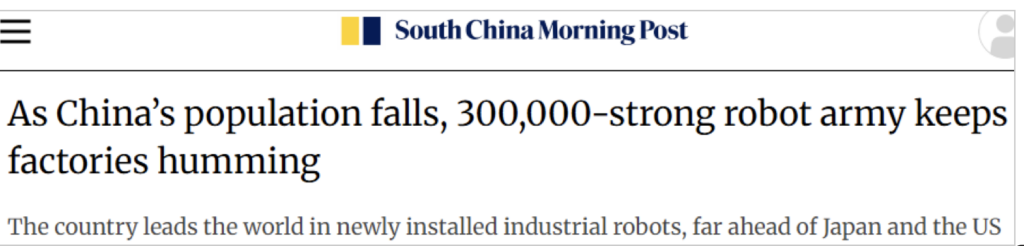
The Quiet Rise of a Global Payment System

-
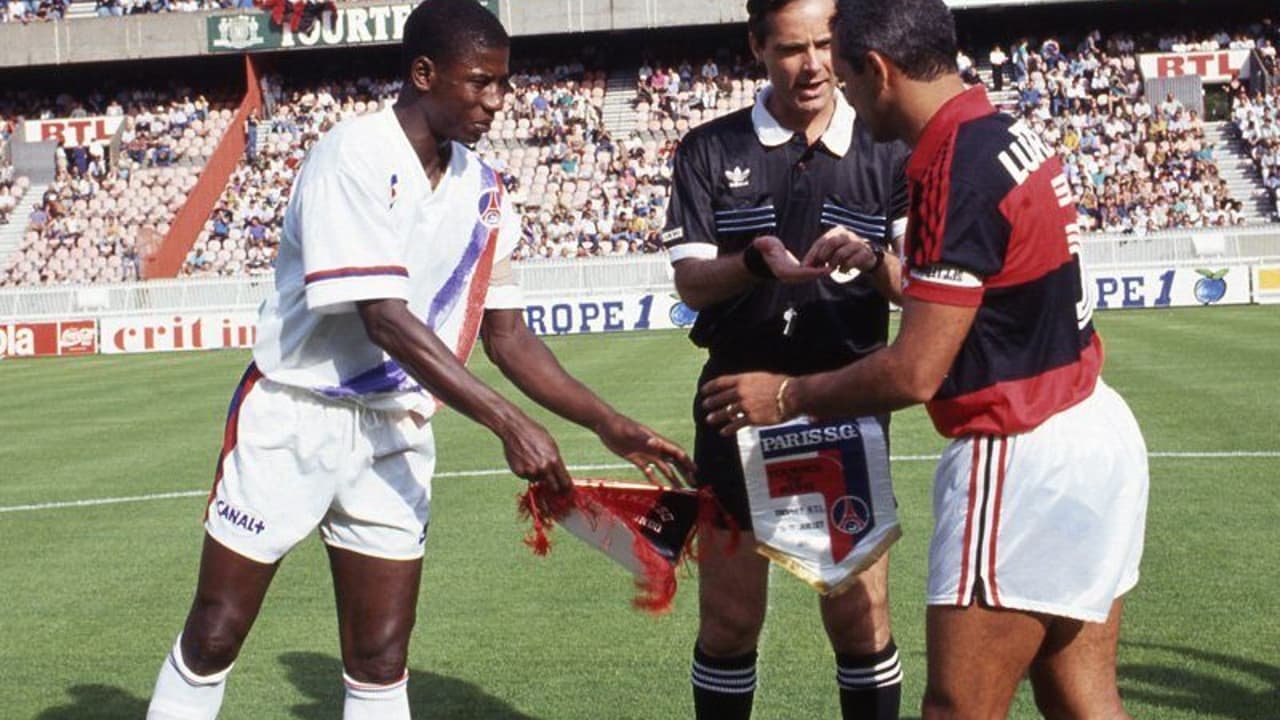
Flamengo and PSG have faced each other three times; check out their record
-

Indonesia Open Footgolf Tournament: Comedian Oki Rengga Admits Addiction, Wants to Become a Professional Athlete
-

Shameful Incident in Punjab! Landlord Rolls Tenant’s Daughter
-
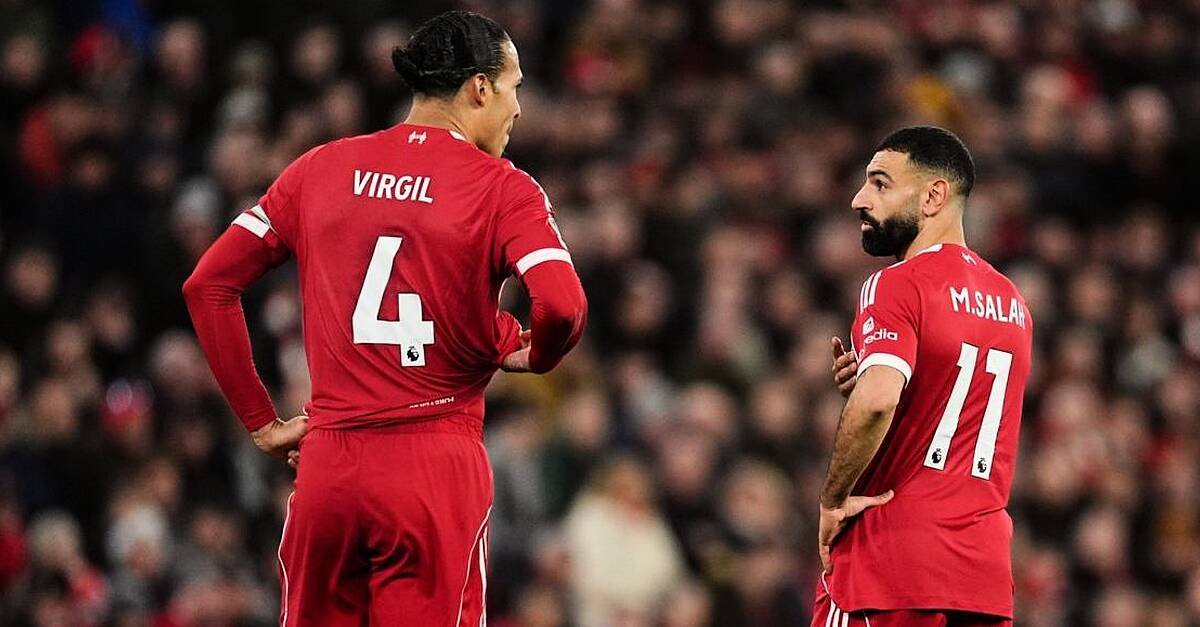
Virgil van Dijk Expresses Desire for Mohamed Salah to Stay at Liverpool
Deixe um comentário