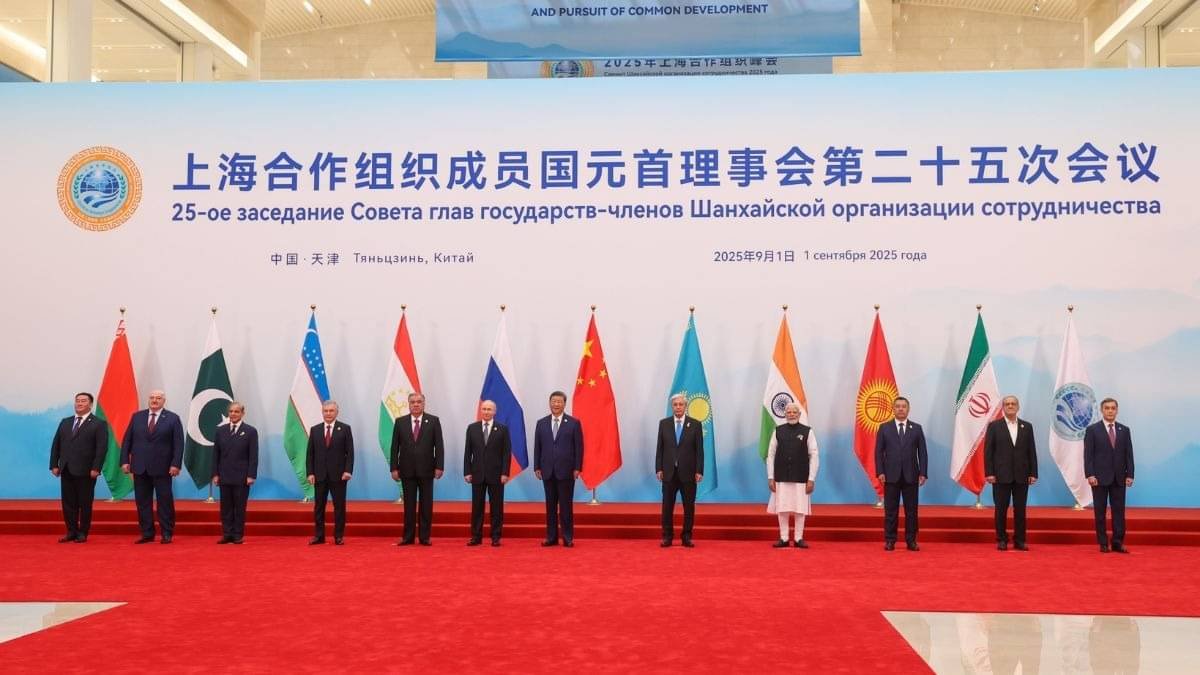
New Delhi witnessed the conclusion of the Shanghai Cooperation Organisation (SCO) Summit in Tianjin, China, on September 1, 2025. The event highlighted a grand Victory Day parade, showcasing Beijing’s military strength and the unity of the Global South. Soon after, President Luiz Inacio Lula da Silva of Brazil made a significant statement during his visit to Moscow, suggesting a potential alignment shift towards the SCO from BRICS. This move raises questions about the future direction of these two powerful alliances in the changing geopolitical landscape.
Lula’s remarks were met with mixed reactions, with some viewing it as a strategic move to diversify Brazil’s alliances and reduce reliance on traditional Western powers. The SCO, dominated by China and Russia, presents an alternative platform for countries seeking to challenge the established global order. Meanwhile, the BRICS bloc, comprising Brazil, Russia, India, China, and South Africa, has long been seen as a counterbalance to Western influence. As the tides of power shift southward, the decision between aligning with BRICS or SCO becomes crucial for nations navigating the evolving world order.
The growing influence of the SCO in shaping global affairs is evident, with member states actively promoting a multipolar world and advocating for greater representation of non-Western powers. The recent Summit showcased the organization’s commitment to enhancing cooperation on security, economic development, and cultural exchange among its members. By contrast, the BRICS alliance, while significant in its economic strength, faces challenges in maintaining unity and coherence amid differing national interests and priorities.
In the midst of these geopolitical realignments, voices within Brazil and other BRICS countries are calling for a reassessment of their strategic partnerships and allegiances. The potential shift towards the SCO signals a willingness to explore new avenues of collaboration and alignment based on shared objectives and values. As the traditional power balance undergoes transformation, countries are reevaluating their geopolitical positioning to better navigate the emerging geopolitical landscape and assert their influence on global decision-making.
The uncertainties surrounding Brazil’s future alignment underscore the complex interplay of political, economic, and strategic considerations shaping the choices of nations in a rapidly changing world. The decision to pivot towards the SCO or reaffirm commitment to the BRICS bloc reflects broader debates within Brazilian society and political circles regarding the country’s role in the shifting global order. Ultimately, the choice between these alliances will have far-reaching implications for Brazil’s global standing and its ability to shape international affairs in collaboration with like-minded nations.





Deixe um comentário