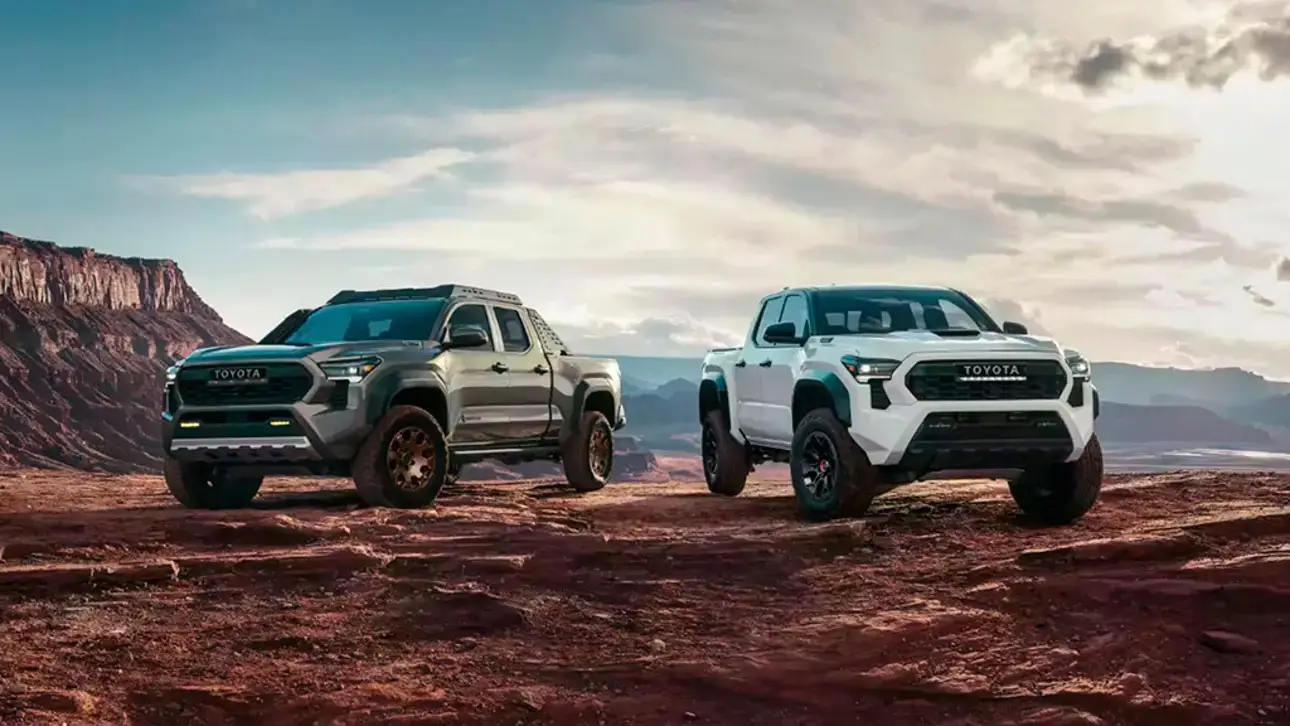
Toyota Tundra vs Tacoma: Top 5 Key Differences Between the Two Titans
Experts have named 5 main differences between Toyota Tacoma and Tundra. Firstly, in terms of size, Tundra is a full-size pickup with large dimensions and impressive ground clearance, while Tacoma is a midsize pickup with a more compact body and lower seating position for better city maneuverability. Despite its smaller size, Tacoma still offers sufficient power and functionality for most daily tasks.
When it comes to cab types, Tacoma has XtraCab with two doors and a small rear passenger area, as well as Double Cab with a full second row of seats. Tundra, on the other hand, offers Double Cab similar to Tacoma’s option and CrewMax with a significantly larger interior for more comfort and cargo space. The suspension systems also differ, with Tacoma using a traditional stiff suspension for durability off-road but compromising ride comfort, whereas Tundra features a complex independent suspension with pneumatic system for improved handling and reduced body vibrations.
The engine options vary as well, with Tacoma equipped with a modern turbocharged four-cylinder engine producing up to 326 horsepower, while Tundra boasts a powerful turbocharged six-cylinder engine capable of delivering 437 horsepower. This makes Tundra ideal for heavy loads and long-distance operations. In terms of cargo capacity and towing capabilities, Tundra shines with a payload rating of up to 5443 kg, showcasing its ability to transport large loads and tow heavy trailers with ease.





Deixe um comentário