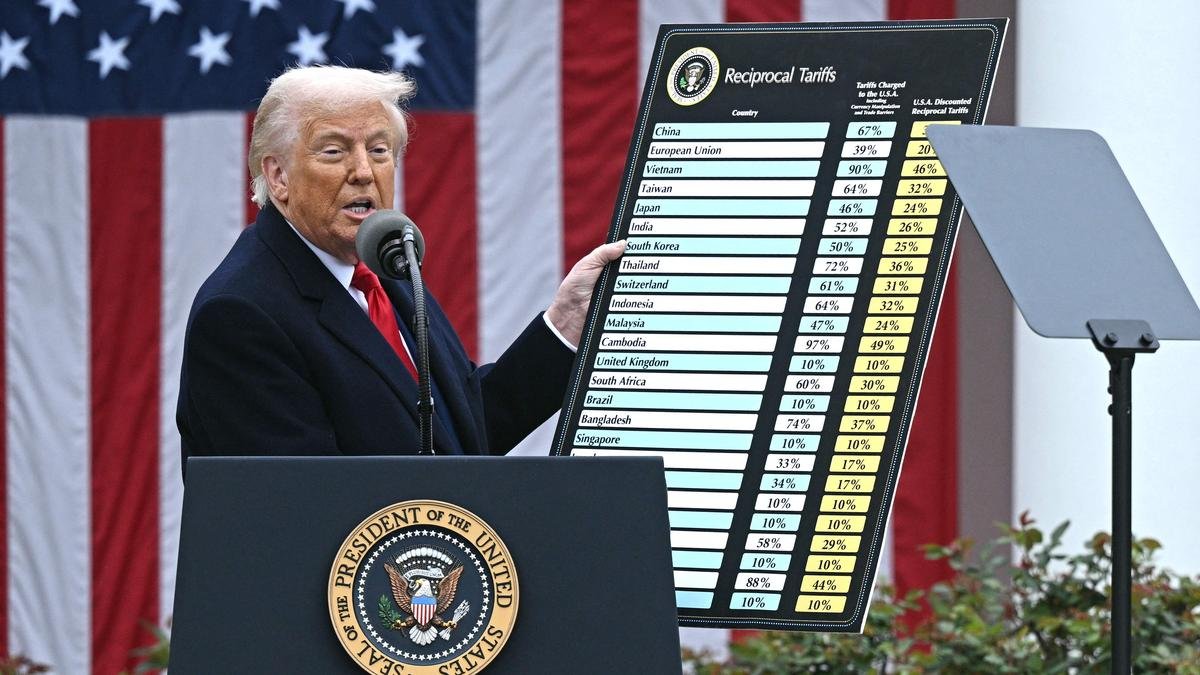
Although much attention has been given to the actions of the United States and President Trump, it is crucial for India and the rest of the world to understand the reasons behind the disruptions they are currently facing. The economic, geopolitical, and technological impacts of the tariffs imposed by the Trump administration need to be carefully examined to determine how these changes will affect countries in the Global South.
With the ongoing tariff war initiated by the United States, there is a unique opportunity for countries in the Global South, including India, to reassess their trade policies and explore new partnerships. By strategically aligning themselves with other nations affected by the tariffs, these countries can strengthen their position in the global market and potentially reduce their dependence on the United States for trade.
As the world navigates through the uncertainties created by the tariff war, it is essential for India to proactively engage with other countries in the Global South to collectively address the challenges posed by the disruptions. By fostering cooperation and collaboration among nations, India can not only mitigate the negative impacts of the tariffs but also pave the way for a more sustainable and inclusive global trade system.
Furthermore, the disruptions caused by the tariff war present an opportunity for India to diversify its trade relations and explore new markets beyond the traditional trading partners. By expanding its reach to other regions in the Global South, India can reduce its vulnerability to unilateral decisions made by countries like the United States and create a more resilient trade network.
In conclusion, while the tariff war initiated by the United States may create short-term challenges for countries in the Global South, it also presents an opportunity for these nations to rethink their trade strategies and foster stronger alliances with like-minded partners. By approaching the disruptions as a catalyst for change, India and other countries can emerge stronger and more resilient in the face of evolving global dynamics.





Deixe um comentário