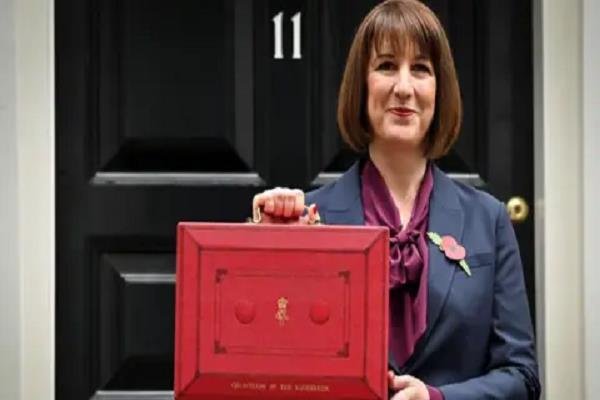
United Kingdom’s Finance Minister (Chancellor of the Exchequer) Rachel Reeves has started the presentation of her Budget 2025 in the House of Parliament today. However, this budget has faced heavy controversy as the Office for Budget Responsibility (OBR) has released details due to an error prior to the scheduled time. Reeves began her speech by stating that the information released by OBR was ‘extremely disappointing’ and described it as ‘a serious mistake.’ OBR has requested forgiveness for its financial oversight and has issued a statement acknowledging the error.
In a new report from the Office for Budget Responsibility (OBR), a significant disclosure has been made. According to the report, Chancellor Rachel Reeves is freezing income tax thresholds until 2029-30. This means that in the forthcoming years, millions more individuals in the UK will fall into the tax bracket, impacting pensioners as well. The OBR estimates that the government is preparing to introduce National Insurance for pensions, which could generate approximately £4.7 billion in revenue. This step is expected to have an impact on employees and employers alike.
Income tax allowances were frozen from April 2022, with the personal income tax allowance in the UK, £12,570, being frozen from April 2022. Three years later, this allowance remains unchanged. As a result, the number of pensioners paying taxes has increased rapidly, from 6.7 million in 2021-22 to now 8.7 million.
The budget announced a 4.8% increase in state pension, raising concerns that the tax burden on pensioners will become heavier. The estimate is that if the income tax threshold is frozen for two more years, around 500,000 additional pensioners could start paying taxes. This change could reduce the number of taxpaying pensioners to nearly 9.3 million. If inflation or wage increases continue to rise in the coming years, the number of taxpaying pensioners could reach up to 10 million by the end of the decade.
The introduction of a Sugar Tax is causing outcry. From January 2028, dairy-based and non-dairy milk alternatives with a sugar content of 4.5 grams per 100ml will be included in the existing sugar tax range. This tax will apply to milkshakes, flavored milk, and other sweetened dairy drinks, affecting businesses and consumers. The decision is facing criticism, with opponents labeling it a ‘stealth tax’ that will directly impact pensioners and low-income earners.




Deixe um comentário