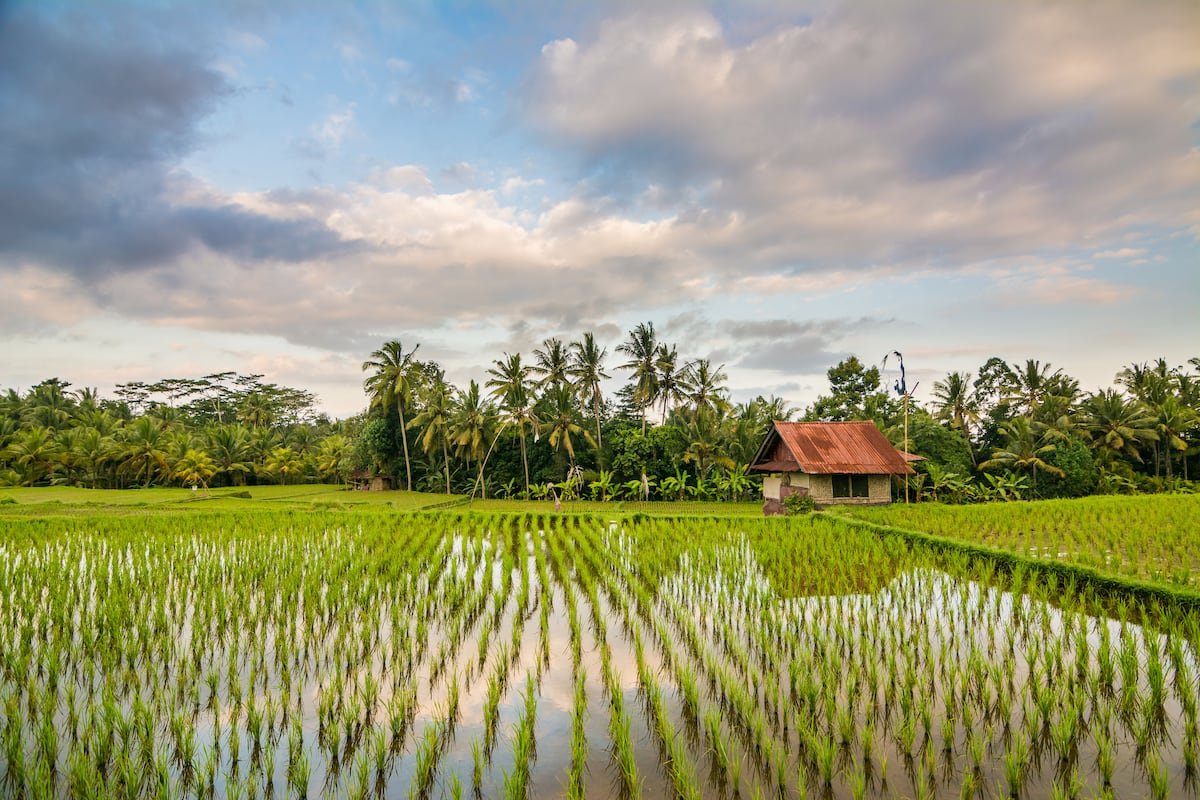
For years, the coastal town of Canggu was the symbol of a somewhat chaotic freedom. A place where the day began with a surf session and continued with screens connected to a cafe’s wifi, amidst fresh fruits, coconuts, and mangos. The famous shoreline attracted surfers and digital nomads seeking a laid-back lifestyle. However, recently, there has been a shift towards a more serene atmosphere further south.
Uluwatu, located on the southern tip of Bali, has become a haven for those looking for a blend of surf culture, spiritual experiences, and a more mindful approach to luxury. In the past years, both travelers and hotel chains have chosen this area for their exclusive resorts, alongside personal projects designed for a different pace of life. This migration of Bali’s traditional style to Uluwatu has created a unique mix of authenticity and modernity.
The pristine beaches of Uluwatu offer not only world-class waves but also a sense of tranquility that is increasingly rare on the island. Visitors can enjoy the breathtaking sunsets from towering cliffs, surrounded by lush vegetation and the sound of crashing waves. This natural beauty has inspired a new wave of eco-conscious initiatives and sustainable practices in the hospitality industry, making Uluwatu a model for responsible tourism.
In addition to the natural attractions, Uluwatu has also become a hub for spiritual seekers and wellness enthusiasts. Yoga retreats, holistic healing centers, and meditation workshops abound in this area, attracting those looking to rejuvenate their body, mind, and soul. The presence of ancient temples and sacred sites further enhances the spiritual ambiance of Uluwatu, inviting visitors to connect with the rich cultural heritage of Bali.
The culinary scene in Uluwatu reflects the diversity of influences present in this dynamic region. From traditional warungs serving local delicacies to upscale restaurants offering international fusion cuisine, food lovers will find a wide range of options to satisfy their cravings. Many establishments focus on using organic ingredients sourced from local farms, supporting sustainable agriculture and promoting the farm-to-table concept.
As Uluwatu continues to evolve, balancing development with environmental preservation remains a key focus for the community. Local initiatives aim to protect the marine ecosystem, reduce plastic waste, and promote conservation efforts to ensure that future generations can enjoy the beauty of this unique destination. By embracing traditional Balinese values of harmony and respect for nature, Uluwatu is setting a positive example for sustainable tourism practices in the region.





Deixe um comentário