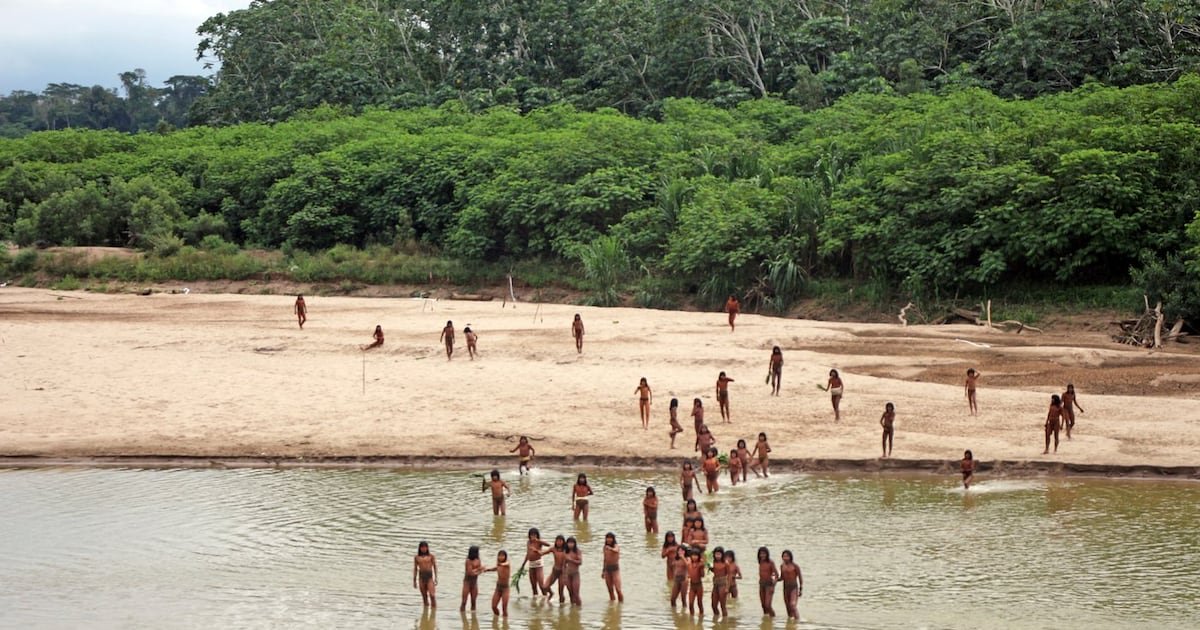
BOGOTA, Colombia — Survival International’s new report highlights the challenges faced by uncontacted Indigenous peoples across the Amazon and rainforests in Indonesia. The report identifies 196 uncontacted groups in 10 countries, with the majority located in South American nations sharing the Amazon. These groups are at risk from logging, mining, and agribusiness, with nearly 65% facing logging threats, 40% from mining, and 20% from agribusiness. Fiona Watson from Survival International calls this a ‘silent genocide,’ highlighting the lack of media attention and urgency in addressing the crisis.
The issue of uncontacted Indigenous peoples is often overlooked by governments, seen as politically marginal due to lack of representation and the valuable resources found in their territories. Uncontacted groups are not ‘lost tribes’ but modern societies choosing to remain isolated after centuries of violence and disease. Their knowledge and sustainable practices contribute to protecting forests vital for climate change. International laws like FPIC protect Indigenous lands, but contact risks disease, livelihood destruction, and clashes with outsiders.
Uncontacted groups in the Amazon are vulnerable to organized crime, illegal mining, logging, and drug trafficking. The rise of criminal activity poses a significant threat, with armed confrontations impacting these isolated communities. Evangelical missionary incursions, fueled by political agendas, also endanger these groups. Protecting them requires stronger laws, respecting Indigenous territories, preventing extractive industries’ incursions, and raising awareness among consumers and companies about the origin of commodities.
Governments must enforce recognition of Indigenous territories, suspend extractive projects near these lands, and prosecute crimes against Indigenous groups. In Peru and Brazil, legislative decisions have left uncontacted groups exposed to threats. Latin American countries have varied responses, with some leaders strengthening protections while others prioritize economic interests. Survival International’s report calls for a global no-contact policy to safeguard uncontacted peoples and preserve their way of life.
Indigenous rights advocates emphasize the importance of recognizing these communities as custodians of the environment and essential partners in climate action. The world’s response to protecting uncontacted peoples will determine not just their fate but also the planet’s sustainability. By prioritizing their rights and territories, governments can uphold international agreements and safeguard the future of uncontacted Indigenous groups.





Deixe um comentário