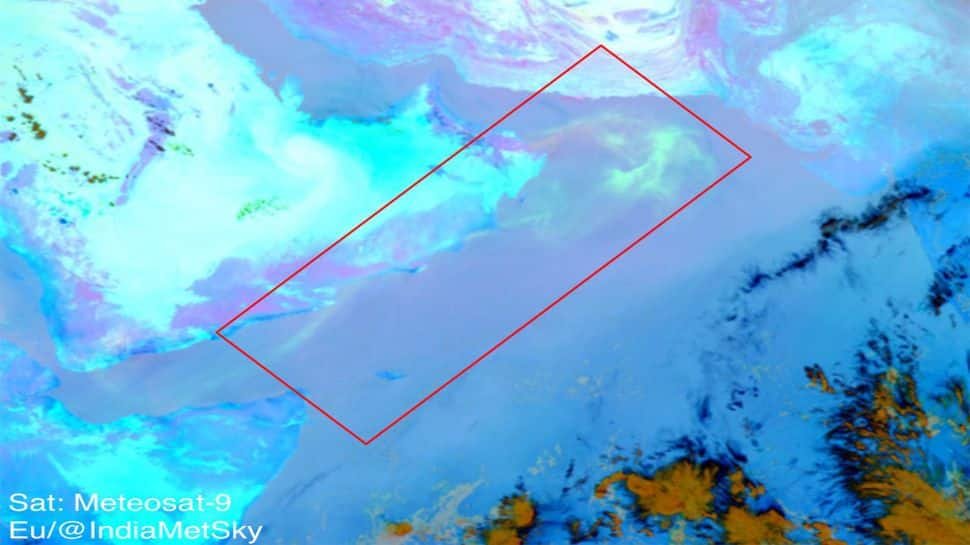
Ethiopia’s recent volcanic eruption caused a massive ash plume that drifted across continents, including India, leading to flight disruptions. Experts caution about potential hazards to aircraft engines, sensors, and passenger security due to the volcanic ash. The eruption at Hayli Gubbi volcano resulted in a large ash cloud spreading several kilometers above the ground and traveling towards the Middle East, Central Asia, and finally reaching the upper atmosphere over India. The ash formed a high-altitude layer that matches the typical cruising zone of commercial planes, ranging from 8.5 to 15 kilometers above sea level, according to the India Meteorological Department.
The IMD has been closely monitoring the movement of the ash plume through satellite data, anticipating potential disturbances in satellite signals and short-term disruptions in aviation. As the ash reached North India and continued drifting towards China, international and domestic flights in India experienced delays, cancellations, and route adjustments. Indian aviation authorities issued caution notices to airlines, instructing them to avoid affected zones and providing flight crews with guidelines to report ash sightings and monitor engine performance.
The main safety concern associated with volcanic ash is its potential to damage aircraft engines by creating a glasslike layer that blocks airflow, increasing the risk of engine stall during critical flight stages like take-off and landing. Moreover, abrasion from ash particles can affect the aircraft’s exterior, leading to reduced visibility for pilots and necessitating eventual maintenance. The ash can also impact sensors, causing incorrect readings and discomfort for passengers and crew through the ventilation system.
While pilots rely on advanced warning systems like St. Elmo’s fire to detect ash clouds and adjust flight paths, past incidents such as the Eyjafjallajökull eruption in 2010 that halted European aviation and cases in Indonesia and Alaska underscore the serious risks posed by volcanic ash. Global authorities track ash movements using Volcanic Ash Advisory Centers to plan safe air routes, recognizing the potential for severe aviation events caused by volcanic ash. Despite the challenges, no crashes, fatalities, or severe injuries have been directly attributed to volcanic ash incidents recorded so far.
Meteorologists continue to monitor the current ash plume’s movement, acknowledging the unpredictability of volcanic eruptions in regions lacking specialized sensors. Experts warn that the ash’s clearance process may take time after the sudden eruption of the long-dormant volcano in Ethiopia. The IMD forecasts improved visibility in Delhi as the plume moves away, aiming for clearer skies by Tuesday evening.
Understanding the Risks of Ethiopia’s Volcanic Ash that Disrupted India’s Airspace

-

Flamengo and PSG have faced each other three times; check out their record
-

Indonesia Open Footgolf Tournament: Comedian Oki Rengga Admits Addiction, Wants to Become a Professional Athlete
-

Shameful Incident in Punjab! Landlord Rolls Tenant’s Daughter
-

Virgil van Dijk Expresses Desire for Mohamed Salah to Stay at Liverpool
Deixe um comentário