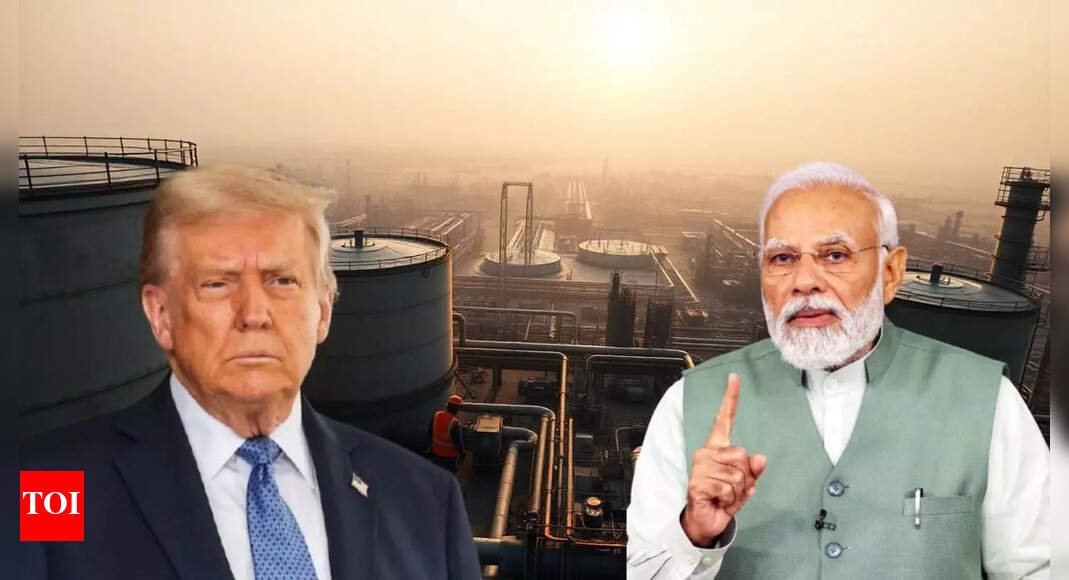
The United States has taken a significant step in what seems to be a limited trade war with India. On Monday, the US government announced a 50% tariff, consisting of 25% taxes and a 25% penalty, on the majority of goods imported from India. This move follows the US government’s claims regarding India’s indirect import of Russian oil and alleged threats posed to the US, which have triggered this decision.
The decision to introduce such a steep tariff marks a significant escalation in trade tensions between the two countries. The announcement, made by the Department of Commerce, is expected to have far-reaching effects on the import and export activities between the US and India. This move is likely to impact various sectors and industries that rely heavily on trade between the two nations, potentially leading to disruptions and financial implications for businesses on both sides.
The imposition of a 50% tariff is a clear indication of the US government’s stance on trade relations with India. This decision underscores the growing concerns and tensions between the two countries, reflecting broader global trade challenges. The move has sparked discussions and debates within political and economic circles, with stakeholders closely monitoring the developments and assessing the potential ramifications of this latest development on international trade.
While the exact implications of this tariff imposition are yet to fully unfold, it is evident that this move will have significant implications for the economic landscape of both India and the US. The repercussions of this decision are likely to be felt across various sectors, impacting businesses and consumers alike. As the situation continues to evolve, it remains crucial for both countries to engage in constructive dialogue and negotiation to address the underlying issues and work towards a mutually beneficial resolution.





Deixe um comentário