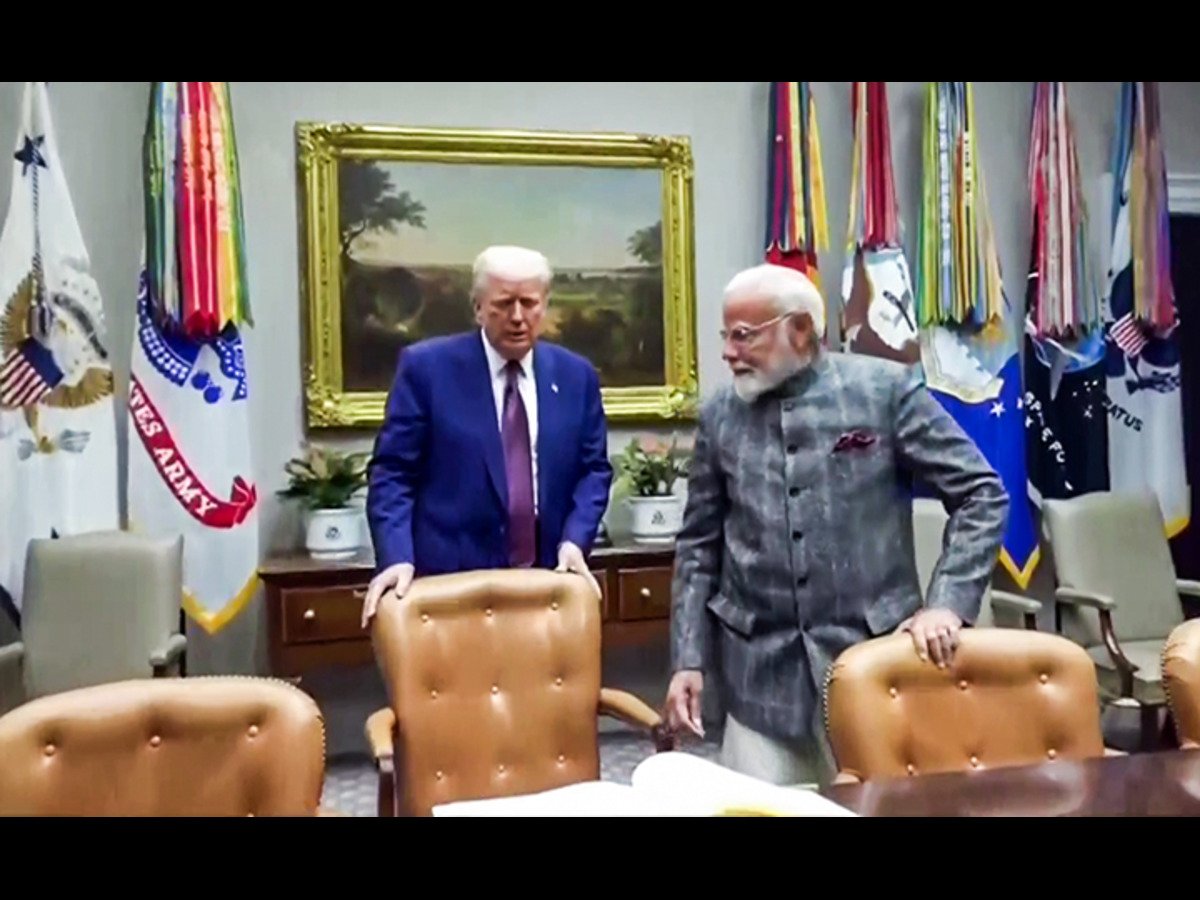
White House trade advisor Peter Navarro issued a stern warning to India, urging the country to agree to fairer trade terms with the United States or face serious repercussions. During an appearance on Real America’s Voice, Navarro criticized India for what he described as the ‘Maharaja Tariffs’ and alleged that the country was benefiting from Russian oil.
Navarro’s comments also targeted the BRICS group, claiming they rely heavily on the U.S. market. This statement caused a wave of criticism and backlash online, with many questioning the validity of his claims and the approach towards international trade.
The tension between the United States and India has escalated further after President Trump decided to increase tariffs on Indian imports to 50%. This move signifies a significant shift in the trade relationship between the two countries and has raised concerns about the future of their economic ties.
India has yet to respond to Navarro’s threats, but the situation remains delicate. The accusations of unfair trade practices and the potential consequences of not complying with the U.S. demands pose a serious challenge for India and its trade policies.
As the standoff continues, the global economic landscape could be significantly affected, with repercussions that go beyond the immediate trade issues. The uncertainty surrounding the trade relationship between the United States and India could lead to broader implications for other countries and international trade agreements.
Despite the growing tensions, diplomatic efforts are crucial in finding a resolution to the trade dispute. Both countries have a vested interest in maintaining a stable trade relationship, and finding common ground is essential to avoid further escalation and potential economic fallout.
The coming days will be critical in determining the path forward for U.S.-India trade relations. The statements made by Navarro have set the stage for a potentially contentious dialogue between the two countries, with significant implications for global trade and economic stability.





Deixe um comentário