The US does not rule out a ‘substantial’ reduction in tariffs against Brazil. However, this would involve commitments from the Lula government to benefit Americans in sectors considered strategic for the US. Even Trump, before heading to Asia, acknowledged that he could review tariffs on Brazil, provided it happened under the ‘right circumstances’. American requests include lowering tariffs on American ethanol by Brazil, involving a decrease in the 18% rate charged by Brazilians on the product from the US. This move is strategic for the White House as it would signal Trump’s support for corn producers, severely affected by the US-China trade war. Brazil would thus be seen as a victory, giving a sense of satisfaction to Americans. Official data shows a nearly 40% drop in US agricultural exports to China between June 2024 and June 2025. In 2018, the US exported 489 million gallons of ethanol to Brazil, totaling $761 million. This number plummeted to 28 million gallons, worth $53 million, by 2024. Access to rare earth minerals in Brazil is also on the table. The Trump administration seeks Lula’s commitment to ensure greater access to Brazilian minerals. An agreement signed this week between Australia and the US could serve as a model for a potential deal with Brazil. The aim of the Australian deal was to boost the supply of rare earths and other essential minerals, part of Trump’s strategy to counter China’s dominance in the market. Australian Prime Minister Anthony Albanese stated that the agreement would support an $8.5 billion project to expand mining and processing capacity in the country. The deal includes $1 billion to be invested by both countries in projects in the US and Australia over the next six months. Ensuring investments by Brazilian companies in the US is also a key demand. Trump seeks assurances that his major commercial flagship, involving investment attraction, can be marketed to the American public. Data from some of the largest Brazilian companies operating in the US suggest that around $7 billion in new investments could be made in the short term if tariffs on Brazil were reduced. Currently, Brazilian companies support over 110,000 jobs in the US, with operations in at least 23 states, notably in Florida, Georgia, Texas, and Tennessee. Access to government procurement is another key point of negotiation. The Trump administration aims to tap into Brazil’s lucrative public bidding market, especially given the risk of a Mercosur-European Union agreement. Under the potential treaty, Europeans would have better chances of winning federal government contracts in Brazil. Private sector representatives in Brazil expressed some frustration today behind the scenes over the lack of a preliminary agreement announcement between the two presidents after the Malaysia meeting. The American Chamber of Commerce, for instance, indicated in a note the need for urgency in the negotiation process. Since Trump imposed tariffs, Brazilian exports to the American market have significantly dropped. Brazilian government sources celebrated the positive atmosphere of the meeting between the two presidents. Yet diplomats acknowledge that the crisis has not been completely diffused.
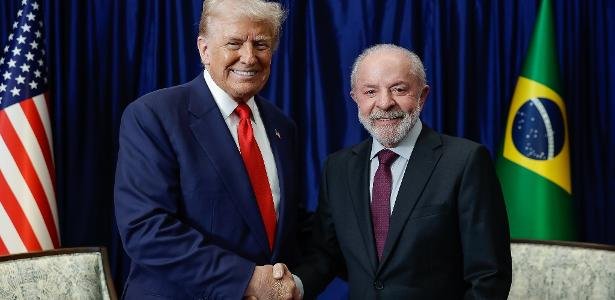
US Wants Brazil to Yield in Strategic Sectors Against Tariff Hike

-

Flamengo and PSG have faced each other three times; check out their record
-
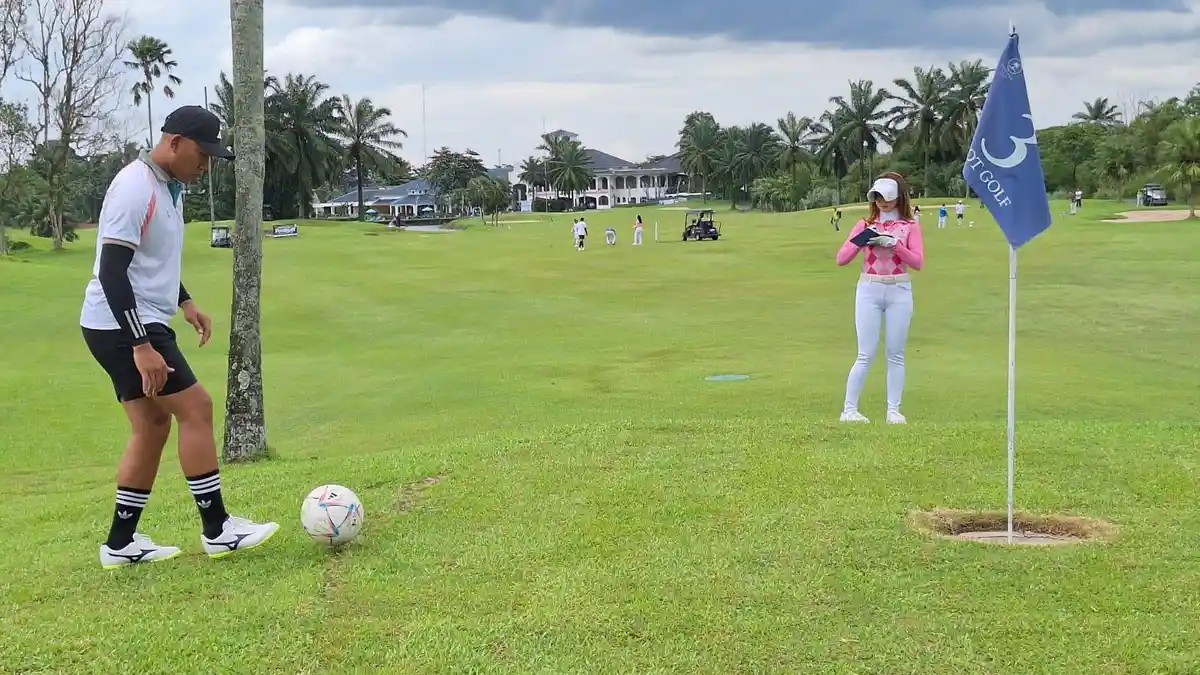
Indonesia Open Footgolf Tournament: Comedian Oki Rengga Admits Addiction, Wants to Become a Professional Athlete
-

Shameful Incident in Punjab! Landlord Rolls Tenant’s Daughter
-
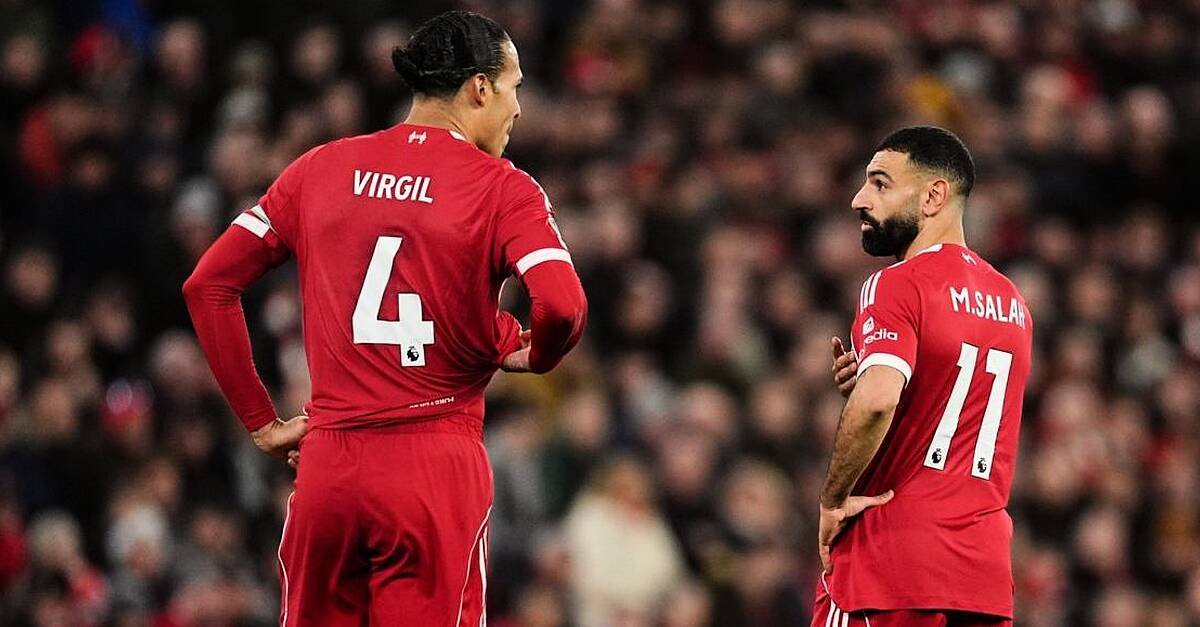
Virgil van Dijk Expresses Desire for Mohamed Salah to Stay at Liverpool
Deixe um comentário