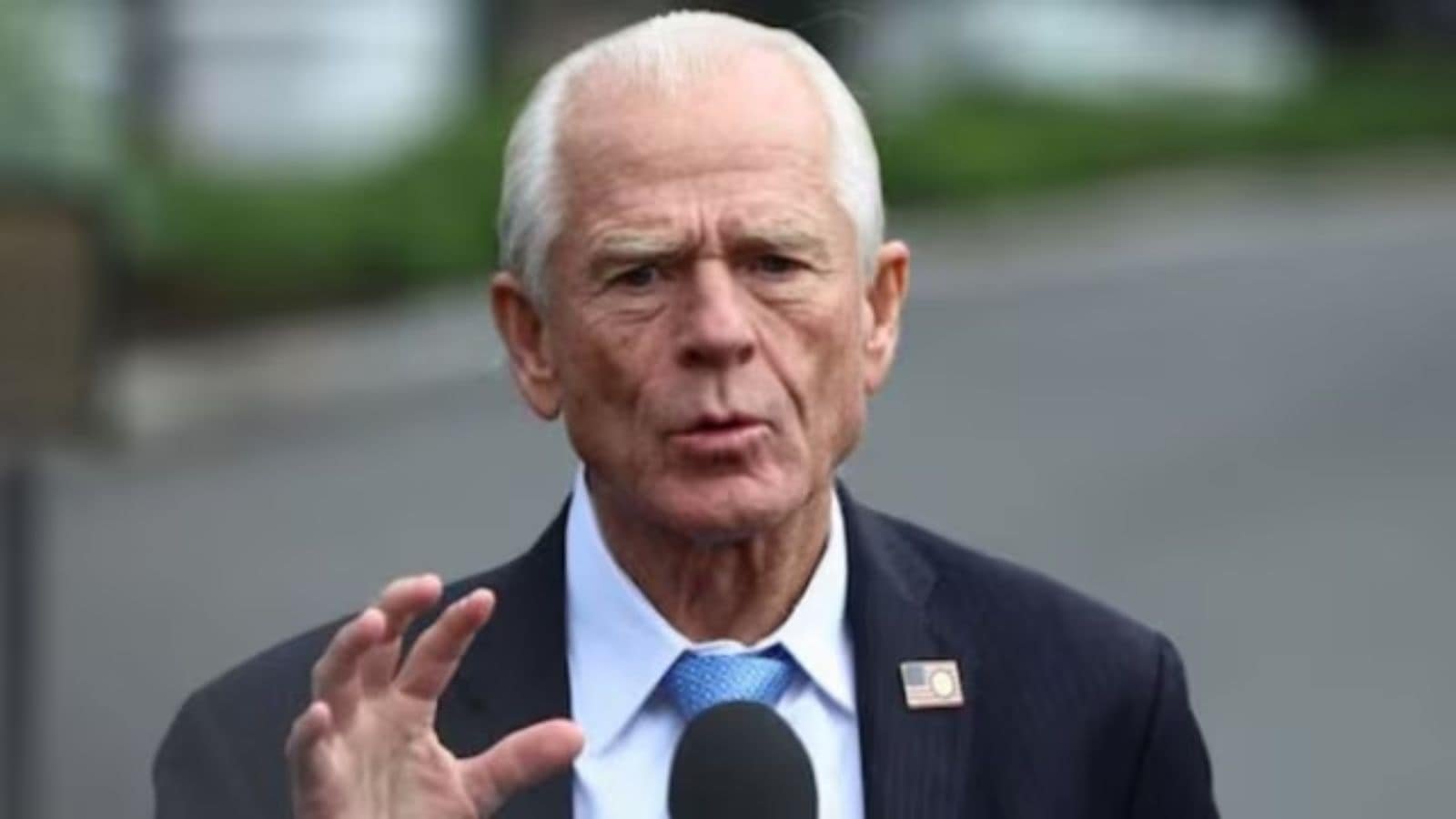
Peter Navarro, an official from the White House, made scathing remarks about the BRICS alliance, suggesting that the member countries have a turbulent history of animosity towards one another. In his statement, Navarro mentioned, ‘historically they all hate each other and kill each other.’ This accusation sheds light on the underlying tensions within the BRICS alliance, despite their economic cooperation efforts.
Navarro went on to argue that the survival of these countries is heavily reliant on trade with the United States. He likened their exports to ‘vampires sucking our blood dry with their unfair trade practices,’ painting a vivid picture of the economic challenges posed by the BRICS alliance. By framing their trade relationship in such stark terms, Navarro emphasized the perceived negative impact on the US economy.
Asserting the detrimental effects of the BRICS alliance on US trade, Navarro’s critique touched on the unequal balance in economic partnerships. He underscored the necessity for these nations to export to the United States for their own economic well-being, highlighting a power dynamic that he views as exploitative. The characterization of these countries as ‘vampires’ implies a parasitic relationship that Navarro finds concerning.
While discussing the economic dynamics at play, Navarro expressed concern about the trade practices employed by BRICS countries. By labeling their trade practices as ‘unfair,’ he pointed to a perceived lack of equity in their economic interactions with the United States. This critique not only highlights the economic tensions between the US and the BRICS alliance but also underscores broader concerns regarding trade policies and practices.
In his critique, Navarro raised questions about the long-term sustainability of the trade relationship with BRICS countries. By drawing attention to what he sees as exploitative trade practices, he signaled a need for reevaluation and potentially recalibrating the economic partnerships. His remarks reflect a broader conversation around trade policy and the complexities of international economic relations.



Deixe um comentário