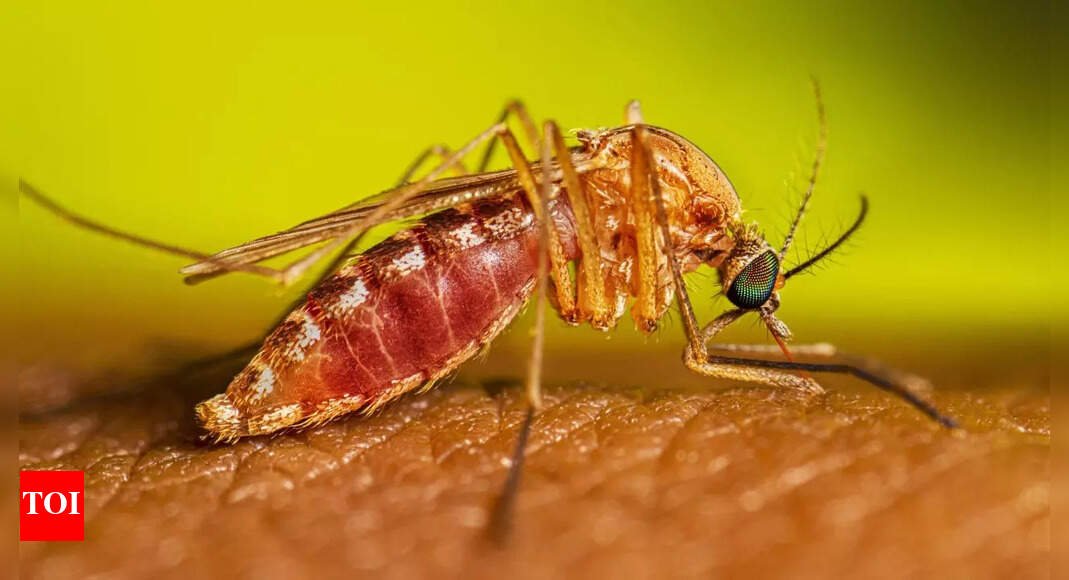
New York City has confirmed the first human cases of West Nile virus in 2025, with two individuals from Queens testing positive. One of the affected residents experienced West Nile fever but has since recovered. The presence of the virus in the city serves as a reminder of the ongoing risk posed by mosquito-borne diseases.
West Nile Virus (WNV) is a viral infection commonly transmitted to humans through mosquito bites. The virus primarily circulates between mosquitoes and birds, but humans can become infected when bitten by an infected mosquito. While most individuals infected with WNV do not develop any symptoms, others may experience flu-like signs or, in severe cases, neurological complications.
The transmission of WNV typically occurs through the bite of an infected mosquito. Mosquitoes become carriers of the virus after feeding on infected birds. Once infected, mosquitoes can transmit the virus to humans and other animals through subsequent bites. Prevention strategies such as using insect repellent and eliminating standing water sources can help reduce the risk of mosquito bites and WNV transmission.
Early symptoms of West Nile Virus to watch for include fever, chills, severe headache, body aches, fatigue, rash, nausea, vomiting, and joint pain. These signs can manifest within a few days to two weeks after exposure to an infected mosquito. Individuals experiencing any of these symptoms should seek medical attention for proper diagnosis and treatment.
Fever and chills, along with severe headache, are common early symptoms of West Nile Virus. These flu-like signs may be accompanied by body aches, fatigue, and sometimes a rash. Nausea, vomiting, and joint pain can also occur in individuals infected with WNV. It is essential to monitor these symptoms closely and consult healthcare providers for guidance on appropriate care.
While most cases of West Nile Virus result in mild symptoms or no signs at all, severe illness can occur in a small percentage of infected individuals. Serious complications such as meningitis, encephalitis, and paralysis may arise in rare cases, posing significant health risks. Prompt medical attention is crucial for individuals experiencing severe symptoms of WNV to prevent potentially life-threatening outcomes.
In addition to common symptoms like fever and headache, severe illness from West Nile Virus can lead to neurological complications such as meningitis. Meningitis, an inflammation of the brain and spinal cord membranes, can cause symptoms such as severe headache, high fever, neck stiffness, and sensitivity to light. Individuals with suspected meningitis should seek immediate medical care for proper evaluation and treatment.





Deixe um comentário