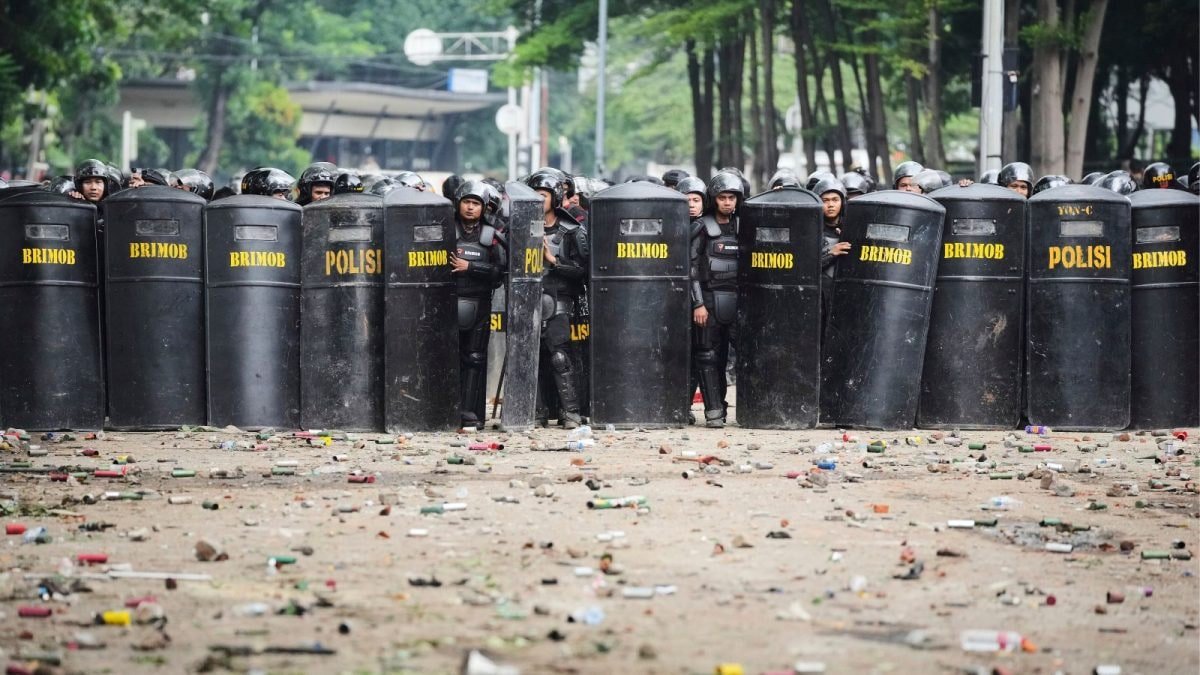
President Prabowo Subianto, caught off-guard, scrapped the perks, but the fury persists. For Indians, this turmoil in a key trade partner and democratic neighbour is not just news, it is a warning. Here’s why the riots are happening, what is fueling the unrest, and how it could impact India.
The protests in Jakarta have ignited a wave of demonstrations across Indonesia, with people taking to the streets to express their discontent over issues of inequality and alleged police brutality. President Prabowo Subianto has found himself under increasing pressure as public anger mounts and international attention turns towards the situation.
As the protests continue and the unrest spreads in Indonesia, concerns are rising about the stability of the country, a key trade partner for India. The ongoing turmoil has raised questions about the effectiveness of President Prabowo Subianto’s leadership and the government’s ability to address the underlying issues driving the protests.
The persistence of the unrest in Indonesia has put a spotlight on the deep-rooted social and economic inequalities in the country. The protests have exposed the frustrations of the population and highlighted the need for meaningful reforms to address the grievances of the people.
The protests in Indonesia serve as a stark reminder for India about the importance of addressing issues of inequality and police brutality to prevent similar unrest in the future. The situation in Indonesia also underscores the interconnectedness of global events and the need for countries to work together to promote stability and prosperity.
India, as a democratic neighbour of Indonesia, is closely watching the developments in the country and assessing the potential impact on its own stability and economy. The protests in Indonesia have far-reaching implications that extend beyond its borders, emphasizing the need for India to remain vigilant and proactive in addressing issues of public discontent.



Deixe um comentário