Triton’s orbit around Neptune in a retrograde direction was a surprise, as it is opposite to the planet’s rotation. This unique characteristic made scientists curious about the moon’s formation and behavior in relation to its host planet. One of the greatest puzzles posed by Triton was its source of energy to drive geysers. The fact that this small moon, located far from the Sun, could retain enough internal heat to power geysers was a mystery that puzzled researchers. The possibility of tidal heating, which causes gravitational stresses during Triton’s capture, was considered as a potential explanation for this phenomenon. Tidal heating occurs when the gravitational pull of a larger body, like Neptune in this case, creates friction and generates heat within the smaller moon’s interior. This process could provide the energy needed to produce geysers on Triton, despite its distance from the Sun. Researchers were intrigued by the implications of this discovery for understanding the dynamics of celestial bodies in the outer solar system. The findings from Voyager 2’s exploration of Triton raised important questions about the relationship between moons and their parent planets, shedding light on the complex interactions that shape the evolution of planetary systems. The unexpected features observed on Triton challenged existing scientific theories and inspired new avenues of research in planetary science.
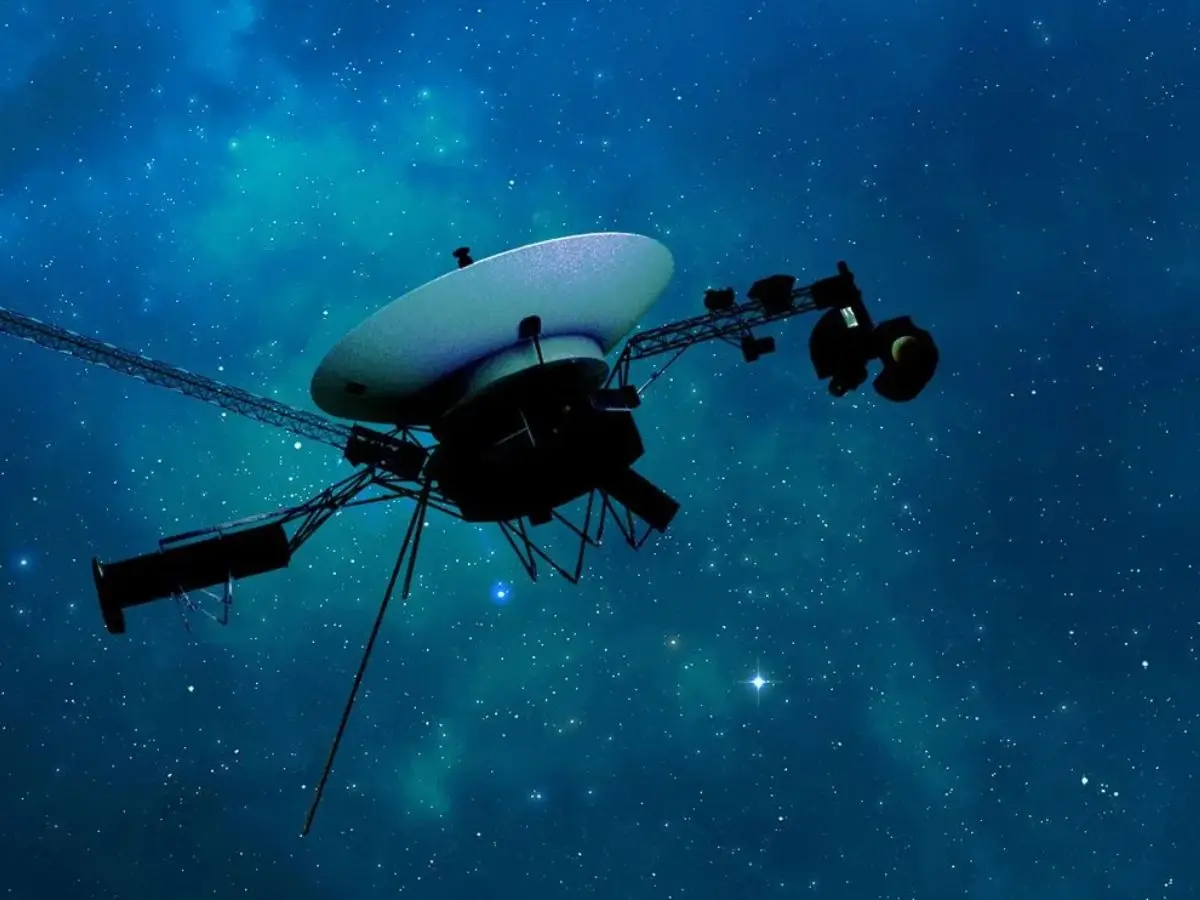
What Voyager 2 Discovered on Neptune’s Moon Triton and Why It Shocked Scientists

-

Flamengo and PSG have faced each other three times; check out their record
-

Indonesia Open Footgolf Tournament: Comedian Oki Rengga Admits Addiction, Wants to Become a Professional Athlete
-

Shameful Incident in Punjab! Landlord Rolls Tenant’s Daughter
-

Virgil van Dijk Expresses Desire for Mohamed Salah to Stay at Liverpool
Deixe um comentário